Border Loopholes Expose U.S. to Terrorist Infiltration Risk
U.S. border security faces significant challenges as stretched resources and gaps in international data sharing create potential vulnerabilities. Millions of individuals have been processed, with concerns that some may have entered without full vetting, raising national security alarms.

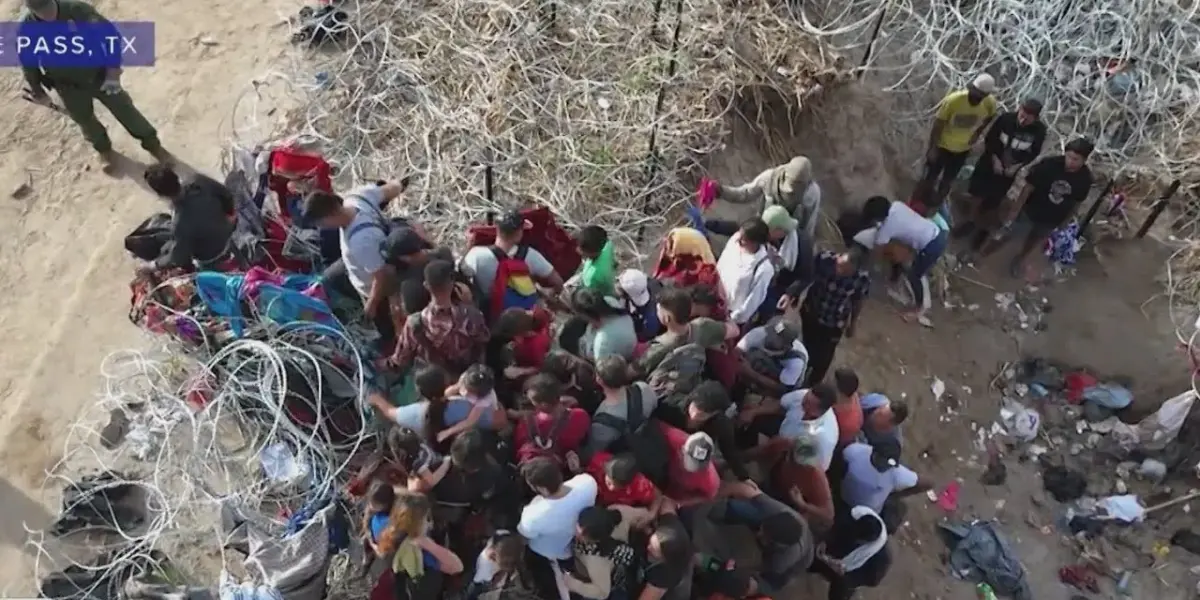
Border Loopholes Expose U.S. to Terrorist Infiltration Risk
Concerns are growing about potential security risks at the U.S. southern border. Federal officials worry that individuals with harmful intentions could be entering the country undetected. These worries stem from issues with how people are screened, especially during busy times at the border.
Stretched Resources Lead to Faster Processing
Under the Biden administration, nearly 9 million people have been stopped at the southern border. Just because someone is processed by law enforcement doesn’t mean officials know who they truly are. Standard checks usually involve biometrics, like fingerprints, and database searches. However, when large numbers of people arrive at once, resources get stretched very thin. This can force faster processing, and sometimes people are released before all the checks are fully completed.
One former official noted that people were being let into the country within hours. This is much faster than the weeks or even a month it might take to properly vet an employee for a promotion. This speed raises questions about the thoroughness of the vetting process for foreign nationals entering the U.S.
Gaps in International Data Sharing
A major challenge is that the U.S. does not have access to every country’s criminal records or databases. If someone enters the country with fake documents or no documents at all, and they don’t show up in U.S. databases or with Interpol, it’s hard to confirm their identity. This means that in many cases, they are assumed to be who they say they are.
In 2023, the current CBP Commissioner, Rodney Scott, highlighted this issue. He explained that the information provided, like names and fingerprints, is checked against U.S. databases. However, these databases have very limited information on foreigners. He described it as being like checking against an empty hard drive, meaning there’s not much to compare the data against.
Millions of ‘Got-Aways’ Raise Alarms
These concerns are amplified by past statements from former DHS Secretary Kristi Noem. She testified that around 18,000 known or suspected terrorists may have entered the U.S. during the previous administration. She also stated that it’s unknown how many more might have slipped through unnoticed.
Under the current administration, reports indicate at least 2 million ‘got-aways.’ These are individuals who are known to have crossed the border but were not apprehended by law enforcement. While the Trump administration reportedly averaged about 43 got-aways per day, which would be around 16,000 a year, the number of unapprehended individuals is a significant concern. These individuals have no interaction with U.S. authorities, leaving their identities and intentions unknown.
Adversarial Nations and Data Sharing Issues
The problem is worsened by the fact that the U.S. has strained relationships with certain countries. Some nations do not share data with the U.S., creating blind spots in security efforts. These countries include adversarial nations like Iran, China, Russia, North Korea, Cuba, Syria, and Venezuela.
Other countries of concern include Pakistan, Nicaragua, and Eritrea. Reports indicate that over 200 different citizenship codes have been encountered at the border under the Biden administration, many without proper documents. During reporting on the border crisis, individuals from many of these countries of concern, excluding North Korea, were encountered, often without any official documents.
Future Vetting Efforts
In response to these concerns, the administration has stated intentions to re-vet individuals. This includes reviewing people’s social media to try and understand their intentions. However, the effectiveness and scale of these future efforts remain to be seen.
Global Impact
The current situation at the border highlights a critical challenge in national security. The ability of individuals with potentially dangerous intentions to enter a country undetected poses a risk not only to the United States but also to international stability. The lack of complete data from certain nations means that screening processes rely on incomplete information. This reliance on partial data creates vulnerabilities that could be exploited. The interconnected nature of global security means that such breaches can have wider implications, affecting diplomatic relations and international cooperation on counter-terrorism efforts.
Historical Context
Border security and immigration vetting have long been debated topics in U.S. policy. Post-9/11, there was a significant focus on enhancing screening processes for those entering the country. Treaties and agreements with other nations regarding information sharing have been a part of these efforts. However, the current scale of irregular migration presents a challenge to these established systems. The reliance on bilateral data sharing agreements means that geopolitical tensions or a lack of cooperation from specific countries can directly impact U.S. security capabilities.
Economic Leverage and Sanctions
While not directly discussed in terms of economic leverage or sanctions in the provided transcript, the issue of data sharing is often tied to broader diplomatic and economic relationships. Countries that are reluctant to share information may be doing so for strategic reasons, or due to existing political friction with the U.S. The U.S. has used economic tools, such as sanctions, to pressure countries to cooperate on security matters. However, these tools have mixed success and can also impact broader economic ties.
Future Scenarios
One future scenario involves a significant increase in resources dedicated to border vetting, including advanced technological solutions and more personnel. This could lead to more thorough screening. Another scenario is continued challenges with data sharing and overwhelmed resources, leading to persistent security vulnerabilities. A third possibility is renewed diplomatic efforts to secure more comprehensive data-sharing agreements with key countries, potentially easing some of the current concerns. The likelihood of each scenario depends on political will, resource allocation, and international cooperation.
Source: Migrant vetting loopholes create potential security concerns | NewsNation Live (YouTube)

Related Articles


TikTok Ban Reversed: A $14 Billion Deal Rescues App
The U.S. ban on TikTok, enacted in January 2025, was lifted just one day later following a $14 billion deal. This agreement saw a consortium acquire an 80% stake in TikTok's U.S. operations, resolving years of national security concerns and legal battles. The deal allows the app to continue serving its 170 million American users.


Congress Fights Over DHS Funding, Border Security
Senator Ron Johnson criticized Democratic obstructionism regarding DHS funding, calling it "sick little games." He advocates for narrow reconciliation plans to secure funding and prevent Democrats from using national security as a bargaining chip. The discussion also touched on defense spending, election integrity, and concerns over foreign influence on U.S. citizenship laws.


Congress Holds Birthright Citizenship Power
The U.S. Constitution grants Congress the authority to define citizenship, a power likely to be upheld by the Supreme Court. While birth tourism is a concern, legal avenues exist to address it without altering birthright citizenship. Political deadlock, however, complicates finding comprehensive immigration solutions.