Border Chiefs Clash Over Immigration Policy
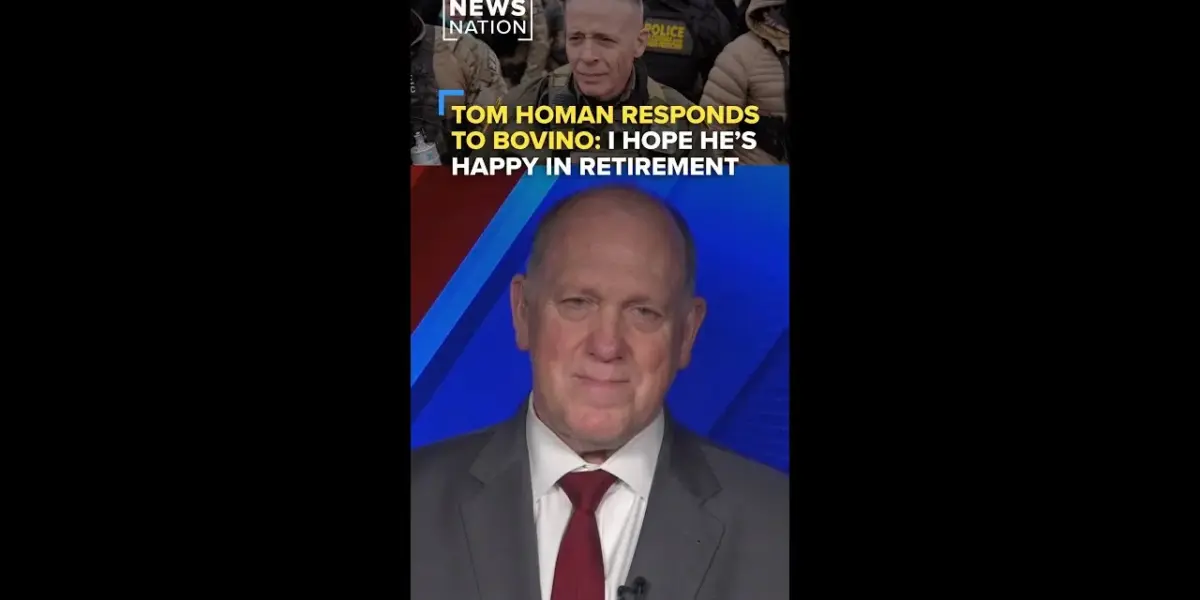
A public spat has erupted between former Border Patrol Chief Greg Bovino and former ICE acting director Tom Homan. Bovino criticized current officials for inaction on immigration, while Homan defended his record of deportations and fight against sanctuary cities, highlighting a deep divide in enforcement strategies.

Border Chiefs Clash Over Immigration Policy
The retirement of a top Border Patrol official has sparked a public disagreement between former and current leaders over the nation’s immigration strategy. Greg Bovino, the recently retired Chief of the Border Patrol, made strong criticisms of current officials as he left his post. He specifically targeted Tom Homan, a former acting director of Immigration and Customs Enforcement (ICE), and Rodney Scott, a border commissioner. Bovino suggested these leaders did not do enough to address the ongoing immigration crisis.
Bovino’s Parting Shot
Bovino’s comments, made as he exited his role, were quite pointed. He stated that the ‘Gorman family is burying their daughter this week.’ This appears to be a reference to a tragic event that may be linked to immigration issues. He then accused Commissioner Rodney Scott and ‘capitulator Tommy Hman’ of saying and doing nothing. Bovino believes this inaction is the reason the country is in its current difficult situation regarding border security.
Homan Responds to Criticism
Tom Homan responded to Bovino’s accusations directly. He began by acknowledging Bovino’s service to the country, calling him a patriot. Homan also wished him well in retirement. However, Homan pushed back against the idea that he has been inactive. He pointed out that he has been fighting sanctuary cities for a decade. Homan also stated that during his leadership, he deported more undocumented immigrants than anyone since the Eisenhower administration. He believes anyone who thinks his approach to immigration is wrong is mistaken.
Divergent Views on Enforcement
The exchange highlights a deep division in how to approach immigration enforcement. Bovino seems to believe that current policies and leadership are failing to adequately address border security and its consequences. His use of strong language suggests frustration with the lack of progress or perhaps a different philosophy on how to manage the border. Homan, on the other hand, defends his record, emphasizing his extensive experience and high number of deportations. He frames his actions as decisive and effective, contrasting them with what he views as ineffective policies or inaction by others.
Historical Context of Border Debates
Disagreements over immigration policy and border enforcement are not new in the United States. Throughout history, different administrations and officials have proposed various approaches, from stricter enforcement to more lenient policies. The concept of ‘sanctuary cities,’ which Homan mentions fighting, refers to local jurisdictions that limit cooperation with federal immigration authorities. This has been a contentious issue for years, with proponents arguing it protects residents and opponents claiming it hinders law enforcement and national security.
Economic and Social Implications
The debate over border security has significant economic and social consequences. Enforcement policies affect labor markets, social services, and community relations. The number of deportations, as Homan highlights, can have a direct impact on families and communities. Decisions made at the border and regarding immigration status ripple through the economy, influencing industries that rely on immigrant labor and the costs associated with managing immigration flows. The public discussion reflects broader societal anxieties and differing visions for the country’s future.
Looking Ahead: Future Scenarios
This public clash between former and current officials could signal future challenges for the agency. It might also reflect ongoing political debates shaping immigration policy. One scenario is that this disagreement could lead to a re-evaluation of current strategies, potentially pushing for more aggressive enforcement measures. Another possibility is that it could highlight the complexity of the issue, leading to calls for more comprehensive reform that addresses both security and humanitarian concerns. The effectiveness of future policies will likely depend on political will and the ability to find common ground among differing viewpoints.
Source: Tom Homan responds to Bovino: I hope he’s happy in retirement | Katie Pavlich Tonight (YouTube)

Related Articles

House Republicans Reject Senate Deal, Sparking Government Funding Clash
House Republicans have rejected a Senate bill to end the government shutdown, citing insufficient border security measures. Congressman Randy Fine called the Senate deal a "disgrace" and highlighted the ongoing fight for full government funding. President Trump's executive order to pay TSA agents offers temporary relief, but the core disagreement over border security continues to paralyze Washington.

House Rejects Senate Bill, Citing Border Security Funding Gaps
House Republicans are rejecting a Senate funding bill, arguing it lacks essential appropriations for ICE and CBP, threatening anti-trafficking efforts and border security. They plan to pass a short-term measure to force renewed negotiations.

Trump’s Iran War Plans Criticized Amid Border Funding Standoff
Lawmakers and analysts are criticizing the Trump administration's handling of the Iran conflict and its approach to border funding, arguing that a lack of clear planning and a focus on political battles are making the U.S. less safe. Concerns are particularly high regarding the FBI's priorities and the potential impact of these issues on national security.