Bombers Fly: US Readies Iran Strike Amid Escalating Tensions
U.S. bombers are airborne and positioned to strike Iran as President Trump's ultimatum nears its deadline. Amidst ongoing strikes targeting bridges and infrastructure, a senior Iranian leader was reportedly killed. The situation remains tense, with diplomatic efforts potentially altering the course of events.

Bombers Fly: US Readies Iran Strike Amid Escalating Tensions
As tensions surge, the United States has placed bombers in the air, positioned to strike Iran by a critical deadline. This move comes as part of a larger strategy, with reports indicating ongoing strikes and the killing of a senior Iranian leader. The situation remains fluid, with diplomatic efforts potentially altering the course of events.
The Ultimatum and the Airborne Arsenal
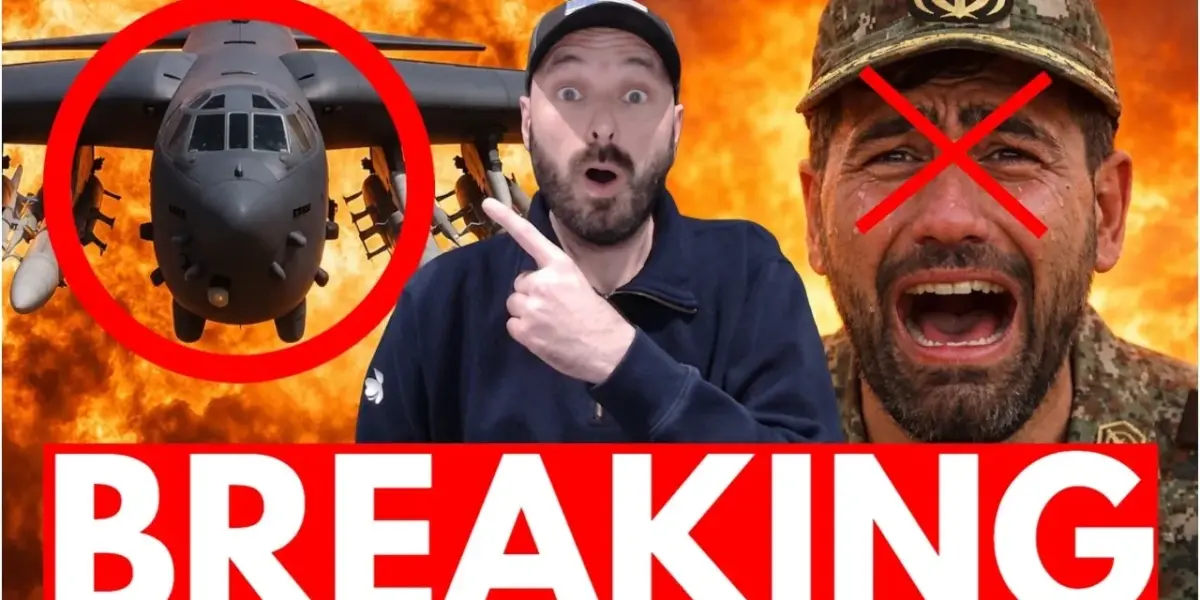
On April 7th, the world watched as President Trump’s ultimatum neared its expiration. In response, multiple U.S. bombers reportedly took off, with flight paths aimed at reaching Iranian territory by 8:00 PM Eastern time. This action does not guarantee an attack, but it ensures that if the order is given, U.S. forces are ready to strike targets immediately. The bombers are a clear signal of intent, setting the stage for potential military action.
However, the situation is not set in stone. Should a diplomatic resolution emerge before the deadline, particularly concerning the Strait of Hormuz, these bombers could be recalled. This highlights the complex dance between military readiness and diplomatic negotiation that often defines international crises.
Ongoing Strikes and Strategic Targets
Even as the possibility of a larger strike loomed, reports emerged of significant explosions in Isfahan, Iran. Footage showed what appeared to be large bombs impacting the ground. Additionally, bridges and an airport in Tehran were reportedly targeted. These strikes seem to aim at disrupting Iranian military capabilities and supply lines.
Specifically, U.S. forces appear to be targeting bridges to isolate areas controlled by the Islamic Revolutionary Guard Corps (IRGC). By destroying these vital links, the goal is to hinder the movement of supplies, troops, and potential escape routes for Iranian forces. This strategy aims to degrade their ability to coordinate and operate effectively.
A Senior Leader Eliminated
Amidst these operations, a significant development was the reported killing of Colonel Mosen Sha Vaughn, an IRGC officer responsible for security in Abadan. This marks another high-ranking official removed from the operational landscape. The ongoing elimination of key leaders suggests a deliberate effort to dismantle Iran’s military command structure.
Iran’s Response and Capabilities
Iran has not been idle. The country has continued to fire ballistic missiles, with reports of multiple direct hits. Footage captured the impacts of these missiles, showing large explosions. Additionally, explosions were reported in Baghdad, with speculation pointing to attack drones, possibly launched by Iran or its allied militias.
Iran also reported a vessel in the Persian Gulf being struck by a projectile. While the crew was accounted for, this incident underscores the ongoing threats in the region, particularly near the Strait of Hormuz. Iran has claimed to possess a substantial arsenal of missiles and drones, though U.S. intelligence estimates often differ significantly. Iran has also warned of severe retaliation, including targeting Saudi oil facilities and ports, should a U.S. attack occur.
Diplomatic Maneuvers and International Warnings
Pakistan is reportedly attempting to mediate a peace deal. During these discussions, Iran claimed to have 15,000 missiles and 45,000 drones remaining, asserting they believe they are winning the conflict. However, these numbers are met with skepticism from U.S. intelligence, which suggests a much smaller stockpile, particularly regarding missile launchers.
International warnings highlight the rising global concern. Kuwait has advised its citizens to shelter in place during specific hours, coinciding with the potential strike window. Spain’s embassy in Qatar has also urged its citizens to stock up on supplies and remain home if necessary.
A Glimmer of Hope: Hostage Release
On a more positive note, there is news regarding an American journalist, Shelley Kadeson, who was reportedly held hostage by Iranian-backed forces in Iraq. Reports indicate she is expected to be released, potentially as part of a prisoner swap. While she had not been released at the time of this report, this development offers a much-needed positive turn in a tense geopolitical climate.
Technological Advancements in Warfare
CENTCOM has highlighted its use of one-way attack drones in Operation Epic Fury, marking a significant step in drone warfare. Hundreds of these drones are now integrated into offensive and defensive operations, operating across various domains. This integration signifies a new era of warfare, where unmanned systems play a crucial role.
Furthermore, footage showed U.S. Marines conducting weapons drills aboard the USS Tripoli, suggesting potential amphibious operations. The preparedness of these forces indicates a readiness for a wide range of military actions.
Why This Matters
The current situation in the Middle East is a critical juncture with far-reaching consequences. The deployment of bombers and the threat of widespread strikes carry the risk of escalating into a larger regional conflict. Such a conflict could destabilize global energy markets, disrupt international trade, and lead to significant human suffering.
The increased use of advanced drone technology by both sides also points to a significant trend in modern warfare. This shift has implications for military strategy, defense spending, and the nature of future conflicts. Understanding these developments is crucial for grasping the evolving dynamics of international security.
Historical Context and Future Outlook
The current tensions are rooted in a long history of complex relations between the U.S. and Iran, marked by political disagreements, economic sanctions, and proxy conflicts. Past incidents, such as the seizure of U.S. diplomats in 1979 and more recent confrontations in the Strait of Hormuz, provide a backdrop to the current crisis.
The future outlook remains uncertain. While diplomatic channels may offer a path to de-escalation, the military posturing and the potential for miscalculation create a volatile environment. The outcome will likely depend on the decisions made by leaders on all sides, as well as the effectiveness of international mediation efforts. The world watches closely, hoping for a peaceful resolution while acknowledging the potential for significant escalation.
Source: U.S. Bombers AIRBORNE For Iran Power Plant Strike – Major Leader Killed (YouTube)

Related Articles


Iran Conflict Looms: Trump’s Ultimatum Sparks Global Concern
President Trump's ultimatum to target Iran's power plants and bridges is approaching its deadline, raising global concerns. Analyst David Hookstead discusses the potential consequences of striking civilian infrastructure, emphasizing the need for diplomacy over military action. This situation highlights the delicate balance of international relations and the importance of peaceful conflict resolution.


Middle East Conflict Halts Helium Supply, Prices Soar
A drone strike on Qatar's main helium facility has taken 33% of the world's supply offline for years, doubling prices. This impacts critical industries like healthcare, technology, and defense, with consumers likely to see delays and higher costs soon.

Trump’s Iran Threats Spark War Crime Fears, Military Dilemma
President Trump's fiery rhetoric threatening Iran with "mass destruction" has plunged the U.S. military into an ethical and legal quandary. As diplomatic efforts crumble, military leaders grapple with the potential for war crimes charges if they follow the president's aggressive public statements, while Iran vows severe retaliation and regional instability grows.