Bomb Diplomacy’s Grim Echo: A Surgeon’s Warning
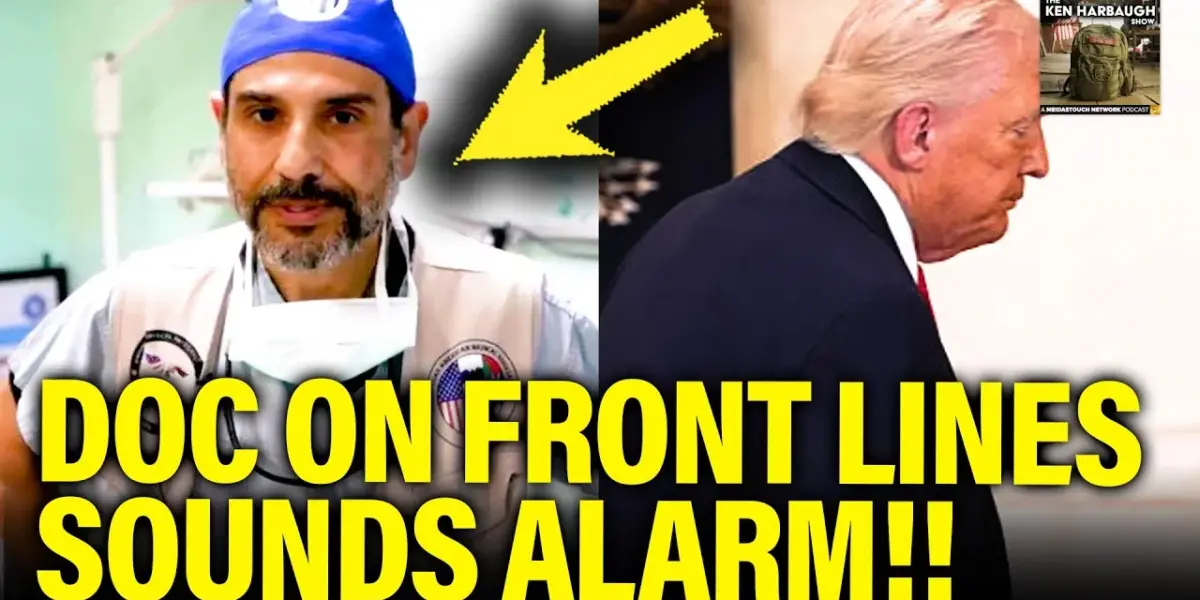
Former combat surgeon Dr. Adam Hamawi warns against the dangerous rhetoric of 'negotiating with bombs.' He shares firsthand accounts of war's true cost, arguing that aggressive tactics and targeting civilian infrastructure are not only ineffective but also morally bankrupt. Hamawi stresses the importance of holding leaders accountable and prioritizing human well-being over endless conflict.

Bomb Diplomacy’s Grim Echo: A Surgeon’s Warning
The idea of using military force to achieve political goals isn’t new. Famous military writer Carl von Clausewitz called war ‘the continuation of politics by other means.’ But when the head of the Pentagon, Secretary of Defense Pete Hexth, talks about ‘negotiating with bombs,’ it raises serious concerns. This isn’t just tough talk; it’s a dangerous approach that ignores the real human cost of war.
Hexth’s comments, which suggest bombing Iran’s electricity plants and oil wells before talking, have been met with alarm by those who understand the harsh reality of conflict. During the early days of a past war, over a hundred children were killed in an attack on a girls’ school. While called an accident, such events should lead to humility in military planning. Instead, the Pentagon seems to be pushing a message of aggression and eagerness for violence.
A Dangerous Mindset
The zealousness with which some leaders discuss bombing is troubling. Dr. Adam Hamawi, a former combat surgeon who served in Iraq and later volunteered in Gaza, finds this attitude deeply concerning. He points out that the leaders he respected most during his military service never saw killing as something to brag about, even when necessary. This is why Hexth’s public prayers, asking for divine help to ‘break the teeth of the ungodly’ and execute justice ‘swiftly and without remorse,’ are so alarming to Hamawi. He recognizes this kind of intense religious fervor, calling it ‘zealotry’ and comparing it to a ‘Christian nationalist tattoo’ on the leader of the military.
“The leaders I looked up to during my time in uniform never thought that killing, though sometimes a necessary evil, was anything to gloat over.”
The Futility of ‘Negotiating with Bombs’
Dr. Hamawi’s experience on the front lines and in war-torn areas like Gaza provides a stark contrast to the rhetoric from Washington. He states plainly that ‘negotiating with bombs doesn’t work.’ He has seen this play out in places like Iraq and Afghanistan. The strategy of ‘shock and awe’ in Iraq, which involved massive bombing, didn’t lead to lasting peace. Instead, it contributed to the rise of groups like ISIS and the destruction of a government without a stable replacement. The original goal of finding weapons of mass destruction was never met.
Hamawi explains that these prolonged wars cost immense amounts of blood and money. Troops return with physical and emotional scars, and families suffer. Yet, the ultimate goals are often not achieved. The United States, he argues, doesn’t become safer. Instead, it loses its standing and respect on the world stage, damaging its reputation as a beacon of democracy.
Targeting Civilian Infrastructure: A Moral and Strategic Failure
The idea of targeting civilian infrastructure, like power plants, is particularly disturbing. The U.S. government has condemned Russia for doing this in Ukraine. Now, the U.S. is considering the same tactics against Iran. Hamawi believes this makes everyone less safe. International law and rules of engagement are meant to protect civilians. When a nation, especially a superpower, targets civilian areas, it opens the door for adversaries to do the same.
This tactic, which Hamawi likens to the ‘Gaza-ification’ of conflict, involves widespread bombing that harms innocent people. It’s a strategy that not only fails to achieve lasting peace but also damages a nation’s moral authority and global image. It creates a cycle of violence that can lead to the world falling apart.
Supporting Troops vs. Opposing Bad Policy
Many veterans struggle with how to balance their loyalty to fellow service members with their opposition to government policies. Hamawi offers a clear distinction: criticizing the administration and its leaders is not the same as abandoning the troops. He emphasizes that most people join the military out of patriotism or to pursue education and opportunities. They are ordinary people trying to do their best.
Criticizing leaders like Trump or Hexth, or questioning the wisdom of going to war, is about holding those in power accountable. It doesn’t undermine support for the soldiers, sailors, and airmen who are putting their lives on the line. It’s about ensuring they are given just orders and that their sacrifices are for a worthy cause, not for misguided political ambitions.
The Erosion of Trust and the Call to Accountability
Hamawi expresses worry about the military’s role in domestic politics, especially concerning the potential use of forces like ICE or the National Guard during elections or protests. He stresses the importance of soldiers upholding their oaths to the Constitution. Standing up against illegal orders requires courage and the willingness to face consequences. He believes education and public awareness are crucial in encouraging service members to ‘do the right thing.’
Looking to history, Hamawi references the Nuremberg trials after World War II. The defense of ‘I was just following orders’ was not accepted. He believes that at some point, individuals will be held accountable for their actions, even if they were following commands. This is a warning that leaders and those who carry out bad orders should consider.
The Ground Truth: Affordability and Priorities
As Hamawi runs for Congress in New Jersey’s 12th district, he hears directly from voters about their concerns. People are worried about the cost of living, from groceries to gas. They struggle with healthcare costs, facing high insurance premiums and denied care. At the same time, they see billions of dollars being spent on wars that the U.S. chose to enter.
This contrast highlights a fundamental question about national priorities. Hamawi believes the country cannot afford to spend so much on conflict while its citizens struggle to afford basic necessities. This widespread anger and frustration underscore the need for a shift in focus towards domestic well-being.
Why This Matters
The discussion around ‘negotiating with bombs’ and the rhetoric surrounding military action reveals a dangerous detachment from the human consequences of war. Dr. Hamawi’s perspective, shaped by direct experience on the front lines and in the aftermath of conflict, serves as a vital counterpoint to hawkish political discourse. His insights highlight that military solutions are often costly, ineffective in the long run, and ethically problematic when they disregard civilian lives and international law.
The willingness to target civilian infrastructure, mirroring tactics used by adversaries, erodes a nation’s standing and moral authority. Furthermore, the distinction between supporting military personnel and opposing flawed leadership is crucial for a healthy democracy. Voters and citizens must feel empowered to question policies without fearing they are betraying those in uniform. Hamawi’s campaign, focused on affordability and responsible spending, reflects a growing public desire for leaders who prioritize domestic needs over endless conflict.
Trends and Future Outlook
The increasing use of advanced technology in warfare, as hinted at in the Midas Touch Network’s documentary trailer on drone warfare, suggests that the nature of conflict is rapidly changing. However, the fundamental ethical questions about the use of force and the protection of civilians remain. The trend of political leaders using aggressive language about military action, combined with a potential disregard for international norms, could lead to greater instability and more devastating conflicts.
Hamawi’s call for accountability, referencing the Nuremberg trials, points to a potential future where leaders are held responsible for war crimes or actions that violate human rights. His focus on campaign finance reform and rejecting corporate money also suggests a growing movement towards more grassroots, people-powered politics. The future may see a greater demand for transparency and ethical conduct from those who wield military power.
Historical Context
The concept of ‘negotiating from strength,’ often involving a show of force, has a long history in international relations. However, the specific idea of using overwhelming destructive power as a primary tool for negotiation, especially through the targeting of civilian infrastructure, has become more prominent with modern warfare. The post-World War II era saw the establishment of international laws and tribunals, like Nuremberg, to address the atrocities of war and hold individuals accountable, aiming to prevent such horrors from recurring.
The Vietnam War, the Iraq War, and other conflicts have been points of intense debate in the U.S. about the effectiveness and morality of military intervention. These debates often involve questions about the justification for war, the conduct of military operations, and the long-term consequences for both the involved nations and the global order. Hamawi’s critique echoes concerns raised throughout these periods about the disconnect between political rhetoric and the grim realities faced by soldiers and civilians.
Dr. Hamawi’s Campaign
Dr. Adam Hamawi is running for Congress in New Jersey’s 12th district. He is campaigning on a platform that addresses the affordability crisis, healthcare issues, and a critical stance on foreign policy and military spending. He is committed to not accepting corporate PAC money, relying instead on small individual donations. His campaign website is hamfornj.com.
Source: Combat Surgeon SPEAKS OUT on Trump WAR THREATS (YouTube)

Related Articles

Trump Weighs War Exit Amid Iran Strikes and Internal Debate
President Trump is reportedly facing internal debate over how to end the escalating conflict with Iran, according to a new Time Magazine report. While publicly vowing to increase strikes, privately Trump seeks an "off-ramp" to declare victory and avoid domestic backlash, even as advisors express surprise at Iran's retaliatory attacks.


DOJ Declares Key Records Law Unconstitutional
The Justice Department has declared the Presidential Records Act unconstitutional, a law enacted after Watergate to preserve presidential communications. This decision raises concerns about government transparency and the potential destruction of public records. Critics argue it's a move to cover up past actions, especially in light of the ongoing controversy surrounding the Jeffrey Epstein files.

Trump’s War Room Crumbles: Aides Confess Catastrophe
Top aides are reportedly confessing to Donald Trump that the war in Iran is a catastrophic failure, with Iran's military capabilities and global influence growing. This comes amid reports of domestic discontent and internal military strife.