Bolton: Trump’s Iran Threats Show Panic, Not Strategy
Former National Security Adviser John Bolton characterized Donald Trump's strong rhetoric towards Iran as a sign of panic driven by domestic political concerns. He believes Trump's decision-making lacks strategic depth, potentially creating international instability. Bolton also discussed the upcoming talks involving Vice President JD Vance and the ongoing risks of escalation.

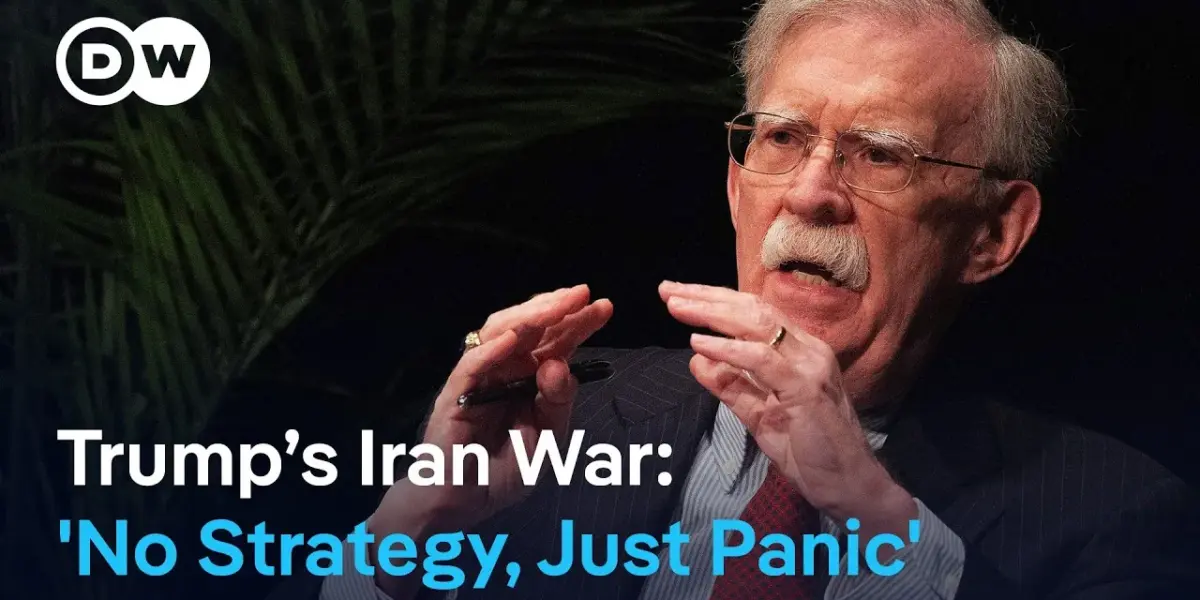
Bolton: Trump’s Iran Threats Show Panic, Not Strategy
Former National Security Adviser John Bolton believes former President Donald Trump’s recent strong statements about Iran reveal panic rather than a well-thought-out strategy. Bolton spoke about Trump’s mindset and the escalating tensions with Iran in a recent interview.
Trump’s ‘Panic’ Over Iran Operation
Bolton, who served under Trump, described the former president’s rhetoric as a sign of desperation. He suggested Trump’s concerns were primarily driven by domestic political worries, such as the impact on oil and stock prices, rather than genuine national security interests.
“What he began to see obviously was the market reaction. Oil prices going up, stock prices going down. And I think that he’s very worried about the domestic political impact of changes like that.”
Bolton explained that Trump seemed to be struggling to find an exit from the situation. He characterized Trump’s decision-making as impulsive, comparing it to “neuron flashes” rather than strategic planning.
Concerns Over Trump’s Global Understanding
The former National Security Adviser expressed concern about Trump’s understanding of global affairs. Bolton stated that Trump often acts without fully grasping the wider world’s complexities, believing he can operate with impunity as he might as a private citizen.
“He thinks about only what benefits Donald Trump and that leads to not simply what’s happening in Iran now… but it leads to the way explaining the way he treats NATO and other allies.”
Bolton added that world leaders, both allies and adversaries, expect strategic thinking from the U.S. president. He believes Trump’s lack of such thinking can cause significant international problems.
Regime Change in Iran: A Missed Opportunity?
Bolton, a long-time advocate for regime change in Iran, felt that the recent events could have been an opportunity if properly managed. However, he argued that Trump failed to do the necessary preparatory work.
This included not consulting the American people or Congress, not briefing allies like NATO, Gulf Arabs, Japan, and South Korea, and critically, not engaging with the Iranian opposition.
“He didn’t consult with the opposition. He didn’t assess what how they viewed things inside. He didn’t ask how he could be helpful, how he could help increase their coordination, provide resources…”
Bolton believes that supporting the opposition could have helped create internal fissures within Iran’s leadership, leading to the regime’s collapse.
High-Stakes Talks and JD Vance
The interview also touched upon Vice President JD Vance’s upcoming high-level engagement with Iranian leaders in Pakistan. Bolton called it a mistake to send the Vice President, suggesting the Secretary of State would have been a better choice.
He noted that Iran specifically requested Vance, which he sees as a problem, as adversaries should not pick negotiation teams. Bolton believes Iran chose Vance because he was reportedly an opponent of the recent military action.
“You don’t let your adversary pick your negotiation team. But they picked him clearly because if you read the leaks in the American press, Vance was an opponent of this war.”
Bolton does not expect significant breakthroughs from the meeting, especially with the Strait of Hormuz still largely closed, contradicting a stated precondition for a ceasefire.
Ceasefire Issues and Escalation Risks
Bolton criticized the ceasefire agreement itself, highlighting the difficulties of negotiating through intermediaries. He pointed out disagreements on whether Lebanon was included in the deal and the ongoing closure of the Strait of Hormuz.
He believes the upcoming meeting in Islamabad is crucial. It could either reinforce the ceasefire and offer a path for negotiation, or the entire situation could break down again.
The Path Forward for Iran and Nuclear Ambitions
Bolton expressed concern that the ceasefire gives Iran breathing room and benefits the regime. He suggested that Vance’s approach could either harden Iran’s position or, if seeking a way out for Trump, might lead to a negotiated exit.
Regarding regime change, Bolton believes Iran’s internal economic problems and potential succession crises make the regime vulnerable. He suggested that working with internal defectors and the Iranian opposition could still lead to regime change.
However, he cautioned against foreign powers picking leaders for a post-regime-change Iran. He emphasized that the Iranian people must have a chance to determine their future government.
Bolton also dismissed the idea of nuclear escalation, believing Trump is more likely seeking a way to declare victory and move on. He warned that a failure to act decisively could allow Iran to gain control over the Strait of Hormuz, a significant blow to U.S. policy.
He added that Iran has likely been pursuing nuclear weapons since 1979 and would restart their program if they remain in power.
Decision-Making Process Under Trump
Bolton criticized the decision-making process around Trump, describing it as being run by “yes men and yes women.” He stated that the National Security Council process, meant to provide options and pros/cons, is broken under Trump.
“That’s not what Trump does, and that’s not what his top advisers do. There have been recent press reports, not just Vance, but of others being skeptical. Well, did they speak up? Did they press their case?”
He believes this lack of rigorous discussion hinders informed decision-making and does not serve the country or Trump well.
Israeli Influence and Escalation Fears
While acknowledging Israel’s influence as a close ally, Bolton dismissed the notion that Israeli Prime Minister Netanyahu single-handedly convinced Trump to take military action against Iran. He noted that Netanyahu’s position has been consistent, suggesting other factors influenced Trump’s decisions.
Concerning further escalation, Bolton does not foresee a nuclear conflict. He anticipates Trump will seek to declare victory, even if it’s not a genuine one, to move past the crisis.
However, he warned that a failure to secure a real victory could result in Iran controlling the Strait of Hormuz, a move that contradicts long-standing U.S. policy aimed at ensuring free oil transit in the Gulf region.
Source: Former National Security Adviser: 'Iran Could Exploit Chaos to Gain the Upper Hand' | DW News (YouTube)

Related Articles
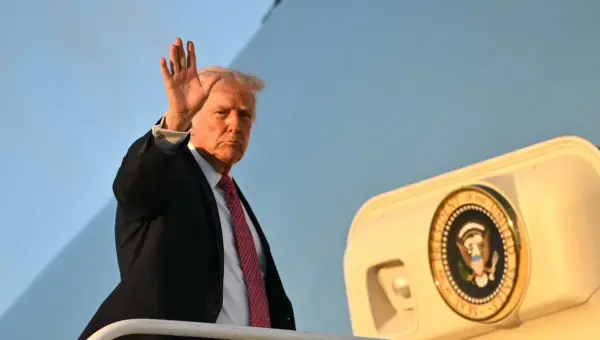
Trump Hints at War Strategy: ‘No Nuclear Weapons’ Key
Former President Donald Trump shared insights into his military strategy, emphasizing the non-use of nuclear weapons and assessing an adversary's weakened state. His comments suggest a preference for decisive action over prolonged talks.

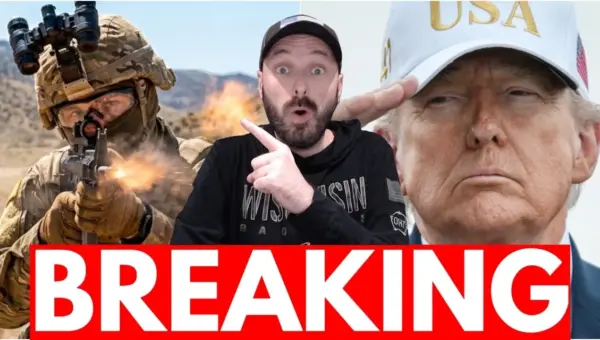
US Troops Surge as Iran Conflict Looms Again
US forces are surging into the Middle East amidst a fragile ceasefire with Iran. Heavy troop and equipment movements suggest preparation for renewed combat operations if diplomatic talks fail. The closure of the Strait of Hormuz remains a critical point of tension with significant global economic impacts.

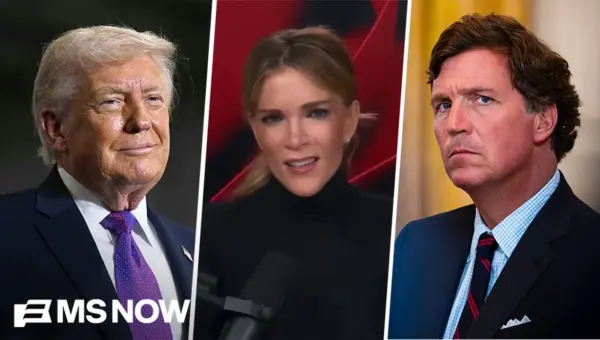
Trump Clashes With MAGA Allies Over Iran War Stance
Donald Trump has publicly feuded with former allies like Tucker Carlson and Candace Owens over their criticism of his stance on the Iran war. The dispute has exposed deep divisions within the MAGA movement, with allies questioning Trump's judgment and mental state. Experts believe these internal conflicts could significantly impact the Republican party's future.