Blockbuster Movies Drive Toy Sales Amid Economic Headwinds
Blockbuster movie franchises are driving a resurgence in toy sales, particularly among adult collectors. Despite economic headwinds like inflation and tariffs, toy giants like Hasbro and Mattel are betting on nostalgia and beloved characters to boost revenue.

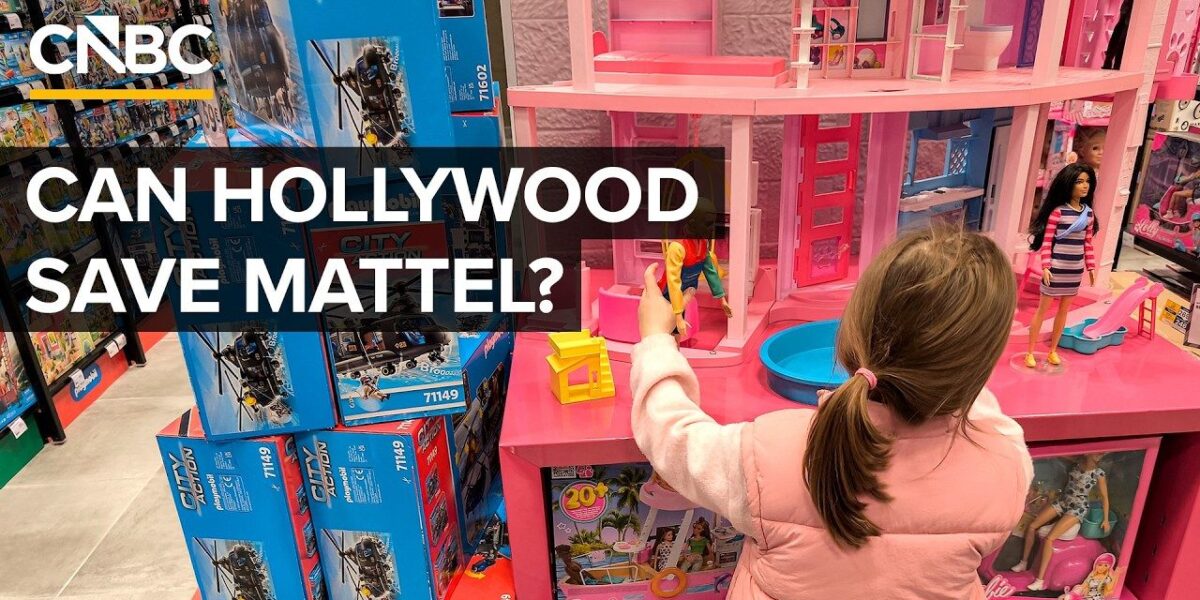
Franchise Power Fuels Toy Industry Growth
The enduring appeal of blockbuster movie franchises is once again becoming a critical engine for the toy industry. With upcoming releases featuring beloved characters from Toy Story, The Mandalorian, Masters of the Universe, and more, toy manufacturers such as Hasbro and Mattel are strategically positioning themselves to capitalize on renewed fan engagement and attract a new generation of consumers. These properties, often described as ‘toyetic’ due to their inherent suitability for toy adaptation, provide a rich source for products ranging from interactive lightsabers to detailed action figures.
Kidadults Lead the Charge
While children remain a core demographic, the most significant growth in the toy sector is being driven by ‘kidadults’ – adult consumers with disposable income who harbor a passion for collecting. Licensed merchandise from major entertainment franchises is a primary catalyst for this trend. Global retail sales in the toy sector saw a robust increase of approximately 4% in 2024, approaching a total valuation of nearly $370 billion. Iconic franchises including Star Wars, Marvel, DC Comics, Frozen, and Harry Potter demonstrate a consistent ability to drive sales, often irrespective of concurrent film releases.
In 2021, despite Disney not releasing a new Star Wars film, Hasbro reported a remarkable 70% surge in its Star Wars toy sales, underscoring the evergreen demand for established intellectual property.
New Media, New Toy Opportunities
The influence of entertainment extends beyond traditional film. Netflix’s highly successful film, K-Pop Demon Hunters, which became the platform’s most-viewed movie ever, initially lacked an official toy line. This void spurred organic consumer creativity, with fans engaging in do-it-yourself crafts like crocheting dolls and sewing costumes. Recognizing this demand, the company is now collaborating with Hasbro and Mattel to launch a comprehensive toy range. This partnership is particularly noteworthy, as toy companies typically maintain exclusive master toy licenses. In this instance, Hasbro is producing foam role-play items and new iterations of Furbies, while Mattel is developing themed card games and specialized dolls, showcasing a unique collaborative approach.
Navigating Post-Pandemic Production and Economic Challenges
The relationship between studios and toymakers has historically been symbiotic, facilitating the creation of merchandise tied to cinematic releases. However, the COVID-19 pandemic and subsequent labor strikes disrupted production schedules and delayed movie premieres. In some cases, toys were launched years ahead of their corresponding films to accommodate retail shelf space. This timing has since been recalibrated, with a wave of major blockbusters, including the Super Mario Galaxy movie, Minions & Monsters, and another Star Wars installment, slated for release in the near future. This strategic alignment is expected to flood toy shelves with merchandise featuring popular characters like Mario, Luigi, the Minions, The Mandalorian, and Grogu.
Market Impact and Investor Considerations
The financial impact of successful film tie-ins can be substantial. For example, Mattel’s sales experienced a significant 16% increase in the quarter following the release of Warner Bros’ live-action Barbie movie in 2023. However, toy manufacturers face a more complex market in the current year. Persistent high inflation and broader economic uncertainty have led consumers to adopt a more cautious spending approach. Additionally, tariffs have imposed further cost pressures on manufacturers, necessitating price increases that are being passed on to consumers. It remains to be seen whether the strong appeal of major franchises will be sufficient to offset these economic headwinds and the impact of increased production costs.
The strategy of leveraging cherished movie properties and tapping into consumer nostalgia appears to be a logical approach for the toy industry. The success of this strategy will ultimately depend on the continued resonance of these franchises with both younger audiences and the influential ‘kidadult’ demographic.
Source: How Blockbuster Movie Franchises Are Helping Boost Toy Sales (YouTube)

Related Articles


AI’s Economic Shift: Ownership is the New Wage
Artificial intelligence is projected to significantly reduce the economic value of human labor within a decade. Experts suggest that capital ownership, rather than wages, will become the primary means of wealth accumulation. Investors are urged to consider this shift in their long-term strategies.


Nvidia Earnings Signal AI Revolution’s Next Phase
Nvidia's latest earnings report reveals accelerating revenue growth and profitability, signaling a new phase in the AI revolution driven by sophisticated AI agents. The company's strong performance underscores the growing demand for computational power as AI transitions into a core digital infrastructure component.


30-Somethings Overlook Key Tax Strategy
Financial experts highlight the critical importance for individuals in their 30s to strategically manage three distinct tax "buckets": tax-free, tax-deferred, and after-tax accounts. Overlooking this strategy can lead to missed opportunities for significant long-term tax savings.