Blind Refugee’s Tragic Death Highlights Immigration Policy
A blind Rohingya refugee's tragic death after being released by U.S. officials miles from his home in Buffalo has sparked outrage and renewed scrutiny of Trump-era immigration policies. The incident, which saw Naru Amin Sha Alam found dead after being dropped off at night without assistance, highlights alleged systemic neglect and inhumane treatment. The controversy has also reignited public debate, with former White House advisor Stephen Miller reportedly engaging in heated online exchanges amidst the fallout.


Blind Refugee Dies After Being Left Miles From Home
A deeply disturbing incident has come to light involving the death of a blind Rohingya refugee in Buffalo, New York, shortly after being released by U.S. immigration officials. The man, identified as 56-year-old Naru Amin Sha Alam, was found dead on February 21, 2026, several miles from his home, after reportedly being dropped off by U.S. Customs and Border Protection (CBP) the previous evening. This incident has ignited fierce criticism of the Trump administration’s immigration policies, with allegations of neglect and inhumane treatment being leveled against government agencies and former officials like Stephen Miller.
A Year in Custody and a Disorienting Release
The tragedy of Naru Amin Sha Alam’s death is compounded by the circumstances leading up to his release. According to reports, Alam had been in local custody for nearly a year after an incident where he was found disoriented and carrying a curtain rod, mistaken for a weapon, while trying to navigate on foot. Unable to communicate effectively due to a language barrier and his visual impairment, he was arrested and charged with assault, weapon possession, and trespassing. He had been awaiting a plea deal, which was eventually reached, leading to his release without ICE detention.
However, upon his scheduled release, facility staff discovered an immigration hold on his record. Border Patrol was contacted, and agents reportedly picked him up, presenting him with a choice: be handed over to ICE or be released by Border Patrol. Agents then drove him across town and dropped him off at a Tim Hortons on Niagara Street around 8:00 p.m. Critically, they did not notify his family of his release, provide him with directions, or offer any assistance, despite knowing he was visually impaired and had limited English proficiency.
Family’s Search and Tragic Discovery
Alam’s family spent the entire weekend searching for him, eventually filing a missing person report. The police, mistakenly believing he was being held by ICE, closed the case. Three days later, he was found dead in a neighborhood miles from his residence, apparently having suffered a medical emergency while trying to find his way home without his walking stick.
“What happened to this man is actually so much worse than the headline lets on,” the report states, highlighting the profound neglect involved. “How do you just let a blind man get dropped off so far away and die unless it is intentional on your part.”
Stephen Miller Under Fire Amidst Online Meltdown
The incident has drawn sharp condemnation, with many pointing to former Trump White House senior advisor Stephen Miller as the architect of the extreme immigration policies that fostered such conditions. As the news broke, Miller reportedly engaged in an extensive online dispute, primarily on Twitter, with John Favreau of the podcast Pod Save America. This public spat, described as a “meltdown,” saw Miller aggressively defend Trump administration policies and criticize Democrats.
During a debate over a State of the Union moment where Democrats did not stand to affirm allegiance to citizens over undocumented immigrants, Miller posted, “Democrats declared to the world their searing disdain for and profound disloyalty to the actual citizens of the United States. They were repeatedly and treated to stand over and over they refused. It was a moment that chills to the bone in which will live for a thousand years.”
Favreau responded by calling Miller’s reaction “genuinely so funny,” suggesting Miller was trying too hard to create a historical moment. Miller retorted, accusing Democrats of showing “icy contempt” and vowing allegiance to “invaders over citizens.” He further escalated, calling Favreau a “textbook sociopath” for allegedly showing no empathy for American families whose loved ones were victims of crimes by undocumented immigrants.
Favreau, in turn, questioned Miller’s own empathy, asking if he grieved for American citizens killed by agents of the U.S. government. He also pointed out the hypocrisy, asking why then-President Trump had not called the families of victims like Alex Prewitt and Renee Goud, who were allegedly killed by undocumented immigrants, to offer condolences.
Broader Implications and Systemic Failures
Critics argue that the case of Naru Amin Sha Alam is not an isolated incident but a symptom of a broader pattern of inhumane treatment within the U.S. immigration system under the Trump administration. The transcript points to numerous other instances of alleged abuse, including immigrants being starved, shackled, beaten, and killed in detention centers. The policy of releasing individuals far from their homes, particularly those with vulnerabilities like blindness or language barriers, raises serious questions about the government’s duty of care.
The narrative suggests a systemic failure where border patrol agents, customs officials, and detention center staff, influenced by policies championed by figures like Stephen Miller, prioritized enforcement over human life and dignity. The argument is made that such actions, whether through direct intent or gross negligence, create a climate where vulnerable individuals are left to perish.
The transcript also touches upon the broader impact of immigration policies, such as the removal of Temporary Protected Status (TPS), which critics argue artificially creates more undocumented immigrants, thereby providing a pretext for increased deportations. This is framed as a “sickening game” where policies designed to control immigration may inadvertently exacerbate the very problems they aim to solve.
Accountability and Future Oversight
Moving forward, there is a strong call for accountability for the individuals and agencies involved in such incidents. Advocates and critics are demanding that government officials be held responsible for the mistreatment and deaths of immigrants and non-citizens on U.S. soil. The hope is that increased oversight, particularly after the mid-term elections and with a change in administration, will lead to a more humane and just immigration system.
The case of Naru Amin Sha Alam serves as a stark reminder of the human cost of immigration policies and the critical need for compassion, due process, and accountability within the U.S. immigration system.
Source: Stephen Miller in PANIC MODE as Scandal EXPLODES (YouTube)

Related Articles


MAGA Voters Realize Trump’s Policies Devastated Their Lives
A New Jersey couple, formerly strong MAGA supporters, are speaking out after Donald Trump's immigration policies led to the husband's 108-day detention and current house arrest. Abdelatif Hafari, a legal resident for 38 years, was detained over a decade-old missed court date, resulting in job loss and severe personal distress for the couple.

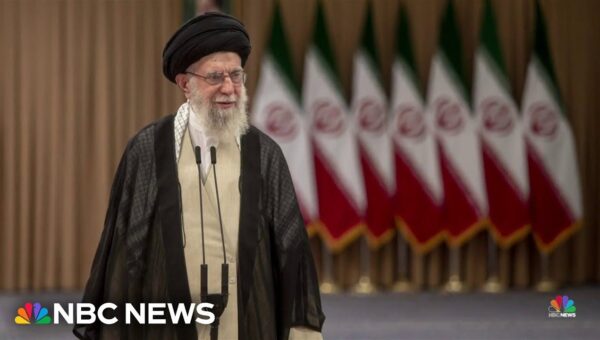
Iran’s Unrest: Strikes Signal Potential Uprising
Iran is experiencing a critical juncture as a wave of strikes suggests a potential uprising, following the reported death of its Ayatollah. This unrest, fueled by long-standing human rights abuses and economic hardship, marks a significant moment of uncertainty for the nation. The situation is being closely watched globally, with implications for regional stability.

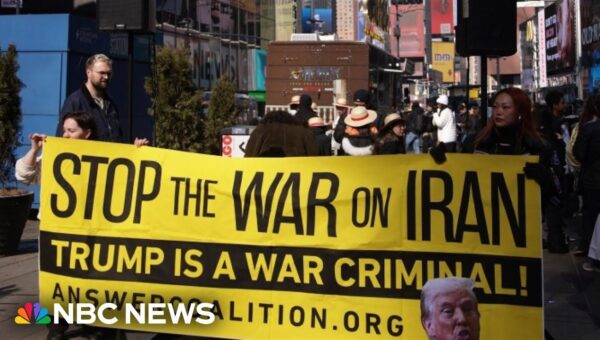
Iran Protests Erupt in Times Square Amid Global Calls
Thousands of demonstrators converged on Times Square in an emergency protest against actions in Iran, part of a nationwide movement spanning over 60 cities. Organized by grassroots groups, the protests call for U.S. non-involvement and express solidarity with Iran amid heightened geopolitical tensions.