Blankfein Slams Trump Tariffs, Warns of Market ‘Bubble’
Former Goldman Sachs CEO Lloyd Blankfein sharply criticized former President Trump's tariffs as "bad" for the economy and warned of a potential market "bubble." In a new interview, Blankfein also discussed inequality, AI, and the importance of investor discipline.

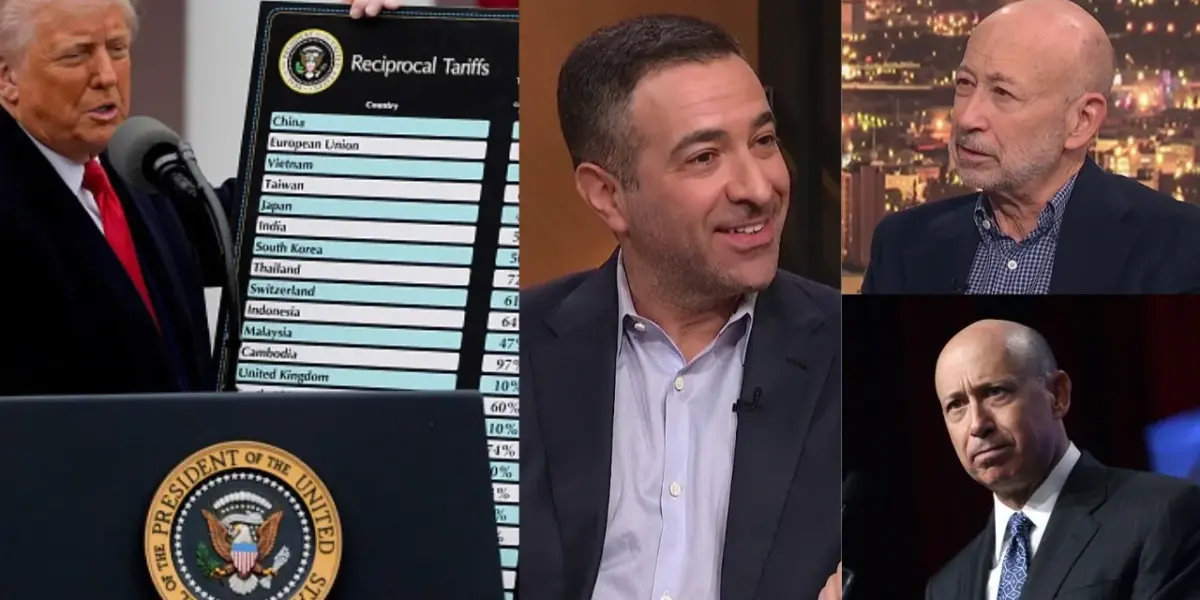
Blankfein Criticizes Trump’s Policies, Warns of Economic Risks
Former Goldman Sachs CEO Lloyd Blankfein has delivered a strong critique of former President Donald Trump’s economic policies, particularly his use of tariffs, describing them as “bad” and detrimental to the economy. In a wide-ranging interview with Ari Melber for ‘The Summit Series,’ Blankfein, who led the investment banking giant for over a decade, also cautioned about the current risk of a market “bubble” and expressed concerns over broader economic issues like inequality and the Federal Reserve’s role in the market.
Tariffs Deemed “Bad” for the Economy
Blankfein’s most pointed criticism was directed at the trade policies enacted during the Trump administration. He specifically called the imposition of tariffs “bad,” a sentiment he reiterated multiple times. “I think tariffs are bad. I think they are bad for business. I think they are bad for the economy,” Blankfein stated, emphasizing the negative impact on companies and consumers alike. He argued that tariffs, intended to protect domestic industries, often lead to retaliatory measures from other countries, ultimately harming international trade and economic growth.
“I think tariffs are bad. I think they are bad for business. I think they are bad for the economy.”
The former CEO elaborated on how tariffs disrupt supply chains and increase costs. Businesses that rely on imported goods face higher expenses, which are often passed on to consumers in the form of higher prices. This can lead to reduced consumer spending and slower economic activity. Blankfein suggested that while the intention behind tariffs might be to strengthen domestic production, the practical outcome is often a more complex and damaging economic landscape.
Concerns Over Market Bubbles and Investor Discipline
Beyond trade policy, Blankfein also voiced concerns about the current state of financial markets, warning of a potential “bubble.” He noted that while it’s difficult to pinpoint the exact timing or extent of such a phenomenon, certain market conditions can become unsustainable. “We’re always looking for bubbles. And I think there’s always a risk of a bubble,” he remarked. Blankfein stressed the importance of investor discipline and a functioning market, which he believes are crucial for long-term economic health.
He explained that a functioning market requires participants to make rational decisions based on fundamental value rather than speculative fervor. When asset prices detach significantly from their underlying worth, a bubble can form, inevitably leading to a correction or crash. Blankfein’s comments suggest a cautious outlook on current market valuations, implying that investors should be mindful of excessive exuberance.
Addressing Inequality and the Role of AI
The conversation also touched upon the growing issue of economic inequality. Blankfein acknowledged that the gap between the wealthy and the rest of the population is a significant concern. He discussed how the concentration of wealth can have broader societal implications, though he did not offer specific policy solutions in the interview.
Artificial Intelligence (AI) was another key topic, with Blankfein recognizing its transformative potential. He sees AI as a powerful tool that could drive significant economic growth and innovation. However, he also alluded to the potential disruptions AI might bring, particularly in the labor market, though the specifics of these impacts were not fully detailed.
Critique of Wall Street and Goldman Sachs
Blankfein addressed criticisms often leveled against Wall Street and his former firm, Goldman Sachs. He acknowledged that the financial industry faces scrutiny and that there have been instances where its practices have drawn criticism. However, he also defended the essential role that institutions like Goldman Sachs play in facilitating capital flow and economic activity. He emphasized the importance of investor discipline and a functioning market, suggesting that while challenges exist, the underlying mechanisms of finance are vital.
His new book, “Streetwise: Getting to and Through Goldman Sachs,” delves into his career and experiences within the high-stakes world of investment banking. The book likely offers further insights into his perspectives on market dynamics, risk assessment, and the evolution of Wall Street.
Assessing Risk and the Purpose of Money
In a more philosophical turn, Blankfein discussed how to assess risk, a core competency in his former profession. He highlighted the need for rigorous analysis, understanding probabilities, and making informed decisions in the face of uncertainty. He also reflected on the purpose of money, questioning if there is ever an amount that is “too much” for one person.
While not providing a definitive answer, Blankfein’s musings suggest a contemplation of wealth accumulation and its societal implications. He seemed to imply that while financial success is a goal, the ultimate purpose and distribution of wealth are complex issues with no easy answers. His career at the helm of Goldman Sachs, one of the world’s most powerful financial institutions, provided him with a unique vantage point on these very questions.
Looking Ahead
Blankfein’s candid remarks offer a valuable perspective from a titan of the financial industry. His criticisms of Trump-era trade policies and warnings about market bubbles underscore a cautious outlook on the current economic climate. As the financial world continues to grapple with technological advancements like AI and persistent issues of inequality, Blankfein’s insights serve as a reminder of the complexities and potential pitfalls that lie ahead. Investors, policymakers, and the public will be watching closely to see how these economic forces evolve and whether lessons from past market cycles are heeded.
Source: 'Bad'! Trump probe & tariffs ripped by Goldman's Blankfein, plus bubble, AI & inequality: Ari intv (YouTube)

Related Articles

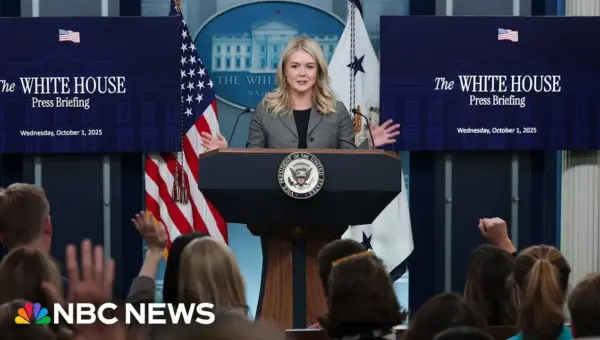
White House Briefing Addresses Key Policy and National Security Issues
White House Press Secretary Karine Jean-Pierre held a live press briefing today, detailing the administration's focus on economic stability, national security, and key domestic policy initiatives. The briefing addressed ongoing challenges and the strategies being employed to foster growth and maintain global security.
Trump’s Tariff Scheme Crumbles: Court Halts Latest Move
A federal judge has swiftly denied the Trump administration's request for a 90-day delay on a Supreme Court ruling that invalidated tariffs. This decision means tariffs are gone immediately, with significant financial implications including potential refunds to those who paid them.

SCOTUS Ruling Sparks Fury: Trump Admin Delays $140B Tariff Refund
The Trump administration is reportedly delaying the refund of $140 billion in illegal tariffs, despite a Supreme Court order. Critics decry the move as "larceny" and a "temper tantrum," while the Treasury cites administrative complexity. The delay sparks questions of governmental accountability and the future of trade policy.