BlackRock CEO Larry Fink Reverses Course on DEI, Cites Business Impact
BlackRock CEO Larry Fink is reportedly pivoting away from aggressive Diversity, Equity, and Inclusion (DEI) policies, acknowledging their negative impact on business. This shift comes after years of "forcing behaviors" related to DEI, with critics suggesting a newfound focus on pragmatism and meritocracy is now guiding the investment giant's strategy.

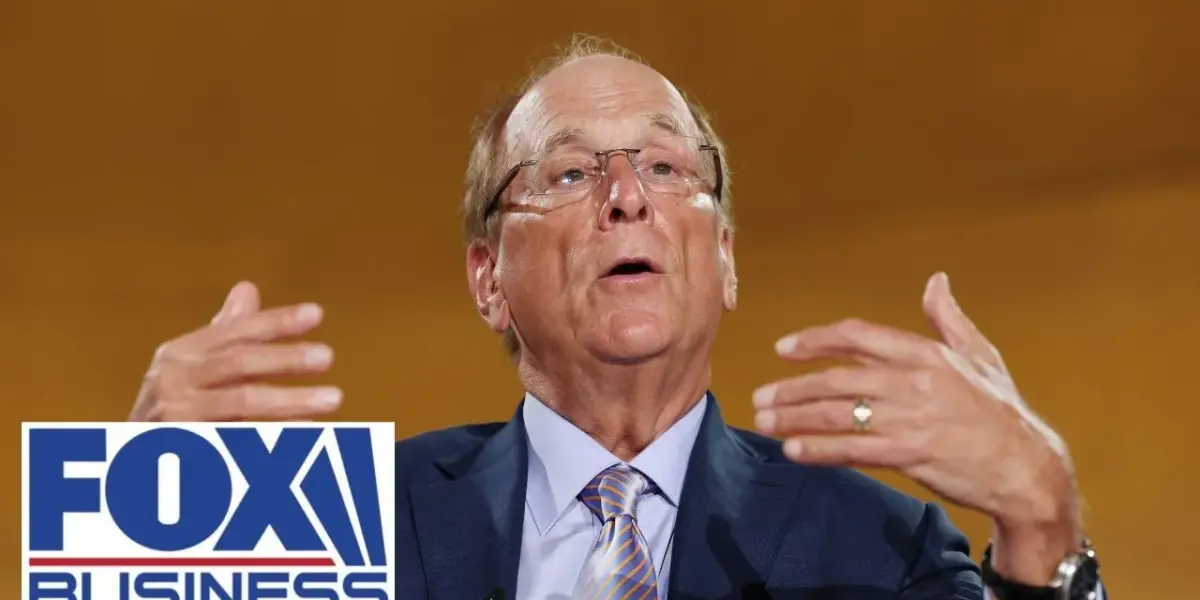
BlackRock CEO Larry Fink Signals Shift Away from DEI Policies
In a notable pivot, BlackRock CEO Larry Fink appears to be re-evaluating the company’s aggressive push for Diversity, Equity, and Inclusion (DEI) initiatives, acknowledging that such policies, when implemented without a pragmatic approach, can be detrimental to business. The shift comes after years of BlackRock actively promoting and, as Fink himself stated in 2017, “forcing behaviors” related to DEI within the company and its investments. This apparent change in stance has drawn significant attention, with critics suggesting that Fink is now recognizing the financial and operational drawbacks of prioritizing social agendas over merit-based systems.
“Forcing Behaviors” and the DEI Experiment
Previously, BlackRock, under Fink’s leadership, was vocal about embedding DEI principles into its investment strategies. Fink had asserted the necessity of “forcing behaviors” in areas like gender and race, linking them to compensation and corporate impact. “If you don’t achieve these levels of impact, your compensation will be impacted,” he stated. This approach, however, has been increasingly scrutinized. Joe Concha, a media analyst, commented on Fink’s latest remarks, suggesting that the CEO has “seen the light.” Concha posited that Fink’s change of heart stems from the realization that “alienating half of the country, through these policies is bad for business.”
“I think Larry realized that alienating half of the country, through these policies is bad for business.” – Joe Concha
Concha highlighted a growing trend among major corporations that have recently eliminated or scaled back their DEI policies. Companies such as Tractor Supply, John Deere, Harley-Davidson, Target, Walmart, Lowe’s, Ford, and Coca-Cola are cited as examples. These businesses, Concha argues, are recognizing that a merit-based system, which prioritizes the best person for the job regardless of background, is ultimately the most effective strategy for success.
Fink’s Pragmatic Approach and Client Feedback
Fink, in his recent statements, framed the shift as a move towards greater pragmatism. He acknowledged that society’s pendulum swings and that BlackRock’s primary responsibility is to manage money for all its clients. “I’m personally more pragmatic,” Fink stated, suggesting a departure from what he implied were earlier, perhaps less pragmatic, approaches. He emphasized that his current views are a reflection of feedback from BlackRock’s clients, indicating that client concerns about the impact of DEI initiatives on investment performance are now being heeded.
“It was never our intention [to push Cummings further left], because our job is to be a fiduciary to everybody who gives us money,” Fink asserted, adding that “society has moved into a better position of having more pragmatism.” This statement directly addresses criticisms that BlackRock’s previous emphasis on social issues may have overshadowed its fiduciary duties to its investors.
Tariff Reversals and Economic Predictions
Beyond the DEI pivot, the discussion also touched upon Fink’s past predictions regarding tariffs, particularly in the context of a potential Donald Trump presidency. Concha recalled that Fink, along with many others in powerful positions, had predicted dire economic consequences, including a repeat of the 2008 Great Recession and a significant stock market crash, should tariffs be implemented. These predictions, however, did not materialize as feared.
“The stock market still is now 47 or 48,000. It has gone up quite nicely. The tariffs have not had the type of impact that many people like Larry Fink predicted, and he is eating crow with sprinkles at this point,” Concha remarked. He pointed out that despite the implementation of tariffs, the market has remained robust, contradicting earlier doomsday scenarios. This suggests a pattern of Fink and others making pronouncements that do not align with subsequent economic realities.
Broader Implications and Future Outlook
The shift in BlackRock’s approach to DEI and the re-evaluation of economic predictions have broader implications for corporate America and the investment world. It signals a potential move away from a strong emphasis on ESG (Environmental, Social, and Governance) factors when they are perceived to conflict with financial performance. The increasing realization that a focus on meritocracy and pragmatic business strategies can lead to better outcomes is a significant development.
Concha noted that more and more companies are understanding that “a merit-based system is the best system for the business in terms of success.” The influence of political factors, such as the potential 2024 election outcomes, is also seen as a catalyst in solidifying this trend towards pragmatism. As companies and investors increasingly prioritize tangible results and fiduciary responsibility, the landscape of corporate social responsibility and investment strategy is likely to continue evolving.
What to Watch Next
Investors and industry observers will be closely watching to see if BlackRock’s apparent pivot on DEI is a sustained strategic shift or a temporary adjustment. The extent to which other major financial institutions follow suit will also be a key indicator of broader trends. Furthermore, the ongoing debate about the balance between social impact and financial returns in investment strategies will undoubtedly continue to shape corporate behavior and market dynamics in the coming months and years.
Source: ‘BAD FOR BUSINESS’: BlackRock CEO's pivot comes after 'alienating’ policies, says Joe Concha (YouTube)

Related Articles


Timeshares Cost Over $1 Million Over 30 Years
A timeshare presentation in New York City highlighted an $80,000 package. Investing that sum over 30 years could yield over $1 million, contrasting sharply with the commitment and ongoing fees of timeshare ownership.


BlackRock CEO Eyes Crypto Future, Heralds Tokenization Boom
BlackRock CEO Larry Fink likens crypto's current stage to the internet in 1996, highlighting the transformative potential of tokenization. The firm is exploring investments in various crypto projects, signaling a growing acceptance of digital assets within traditional finance.


Smart Borrowing: Good Debt Can Build Wealth
Not all debt is created equal. Learn to distinguish between "good debt," which can build wealth through appreciating assets like real estate, and "bad debt," which funds depreciating items and drains your finances. Understanding this difference is key to smart financial planning.