Black Americans Flock to Kenya, Citing Growth and Opportunity
Nairobi, Kenya is witnessing a surge of Black American immigrants drawn by economic opportunities and cultural connections. While the city's rapid growth and investment are attractive, concerns are rising over land affordability and equitable development for local residents.


Nairobi’s Vibrant Appeal Draws Black Americans Seeking New Beginnings
Nairobi, Kenya is experiencing a significant influx of Black Americans drawn by its burgeoning economy, vibrant culture, and perceived opportunities. In just over a year and a half, the city has undergone visible transformation, marked by rapid development in housing, entertainment, and business. This migration trend highlights a growing interest among the African diaspora in connecting with their ancestral homeland and participating in its economic ascent.
Economic Opportunities and Investment Drive Migration
The economic landscape of Kenya, particularly Nairobi, is a major draw for new arrivals. The favorable exchange rate between the U.S. dollar and the Kenyan shilling presents an attractive proposition for investors and those seeking to establish businesses. This economic dynamism is creating new employment opportunities, contributing to the nation’s growth.
“It’s really popping here. You know what I mean? It’s it’s so much going on. So, apartments being built. Like I said, it’s so many clubs, restaurants. It’s it’s a you can see it. It’s growing,” one resident observed, reflecting the palpable sense of development and activity in the city.
The investment flowing into the country is directly linked to job creation. As new businesses and infrastructure projects emerge, they generate employment for the local population, further bolstering the nation’s economic prospects.
Concerns Over Land Use and Affordability
Despite the positive economic outlook and the appeal of Nairobi’s growth, challenges and concerns are surfacing. A significant issue raised is the acquisition of large tracts of land by foreign investors. While this investment fuels economic activity, it raises questions about its impact on local land use, particularly for agriculture, which is a vital sector for the Kenyan economy and livelihoods.
“The disadvantage is uh when they come they took um big pieces of land whereby in our own we can use them uh through farming and other things which can bring benefit in our country,” a local resident pointed out, articulating a common concern about the displacement of traditional land uses for development.
Furthermore, the rapid growth of cities like Nairobi presents a risk of increasing unaffordability for its long-term inhabitants. Experts warn that unchecked urban development could lead to the proliferation of informal settlements and slums if the economic benefits do not trickle down to all segments of the population.
“When cities like Nairobi become unaffordable for inhabitants of Nairobi, we’ll start seeing mushrooming of shanties, you know, informal settlements, you know, slums. And that is what you don’t want to see. As cities grow, we want them to grow in a way that does not marginalize inhabitants of the cities, especially in terms of their their income.”
The challenge lies in ensuring that Nairobi’s expansion is inclusive, benefiting both new arrivals and existing residents, and that economic progress does not come at the cost of social equity and access to basic necessities.
A Complex Tapestry of Opportunity and Challenge
The narrative of Black Americans moving to Kenya is multifaceted. It is a story of individuals seeking cultural resonance, economic empowerment, and a connection to their heritage. Simultaneously, it is a story that underscores the complexities of rapid urbanization and foreign investment in a developing nation. The influx brings capital and new energy, but it also necessitates careful planning and consideration for the existing social and economic fabric.
The growth is undeniable, and the opportunities are attracting many. However, the sustainability of this growth and its equitable distribution remain critical questions. The future of Nairobi, as it continues to evolve into a continental hub, will depend on its ability to balance development with the preservation of its cultural identity and the well-being of all its citizens.
Looking Ahead: Inclusive Growth and Diaspora Engagement
As more Black Americans consider Kenya as a destination for living, working, and investing, the focus will increasingly shift to how this integration can be managed for mutual benefit. Key considerations will include policies that ensure equitable land distribution, affordable housing, and inclusive economic development. The engagement of the diaspora in shaping Kenya’s future, while ensuring that local communities are not marginalized, will be crucial in navigating the path forward.
Source: Black Americans in Kenya: What locals like — and don’t like | DW News (YouTube)

Related Articles


Venezuela’s Divide Echoes Globally
A protest in New York City reveals the deep divisions within the Venezuelan diaspora. Supporters and opponents of President Maduro clashed, highlighting how international attention focuses on Venezuela's ongoing crisis and human rights concerns.


Iranians Share Harrowing Wartime Experiences Amidst Conflict
Iranians are sharing harrowing accounts of daily life under the threat of war, describing constant fear, loss, and deepening societal divisions. Voices from Tehran and the diaspora reveal a complex mix of hope for change and despair over the ongoing conflict, with many fearing for their country's future.
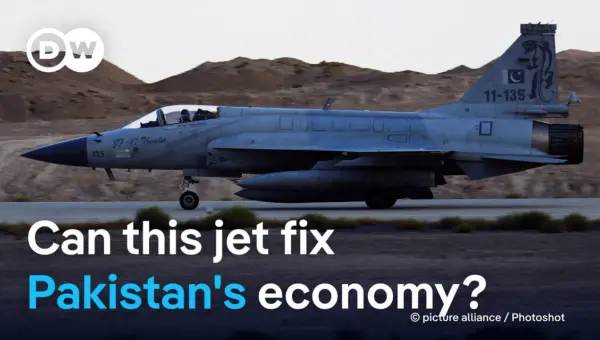
Pakistan’s JF-17 Jet Sparks Billions in Arms Deals
Pakistan's JF-17 Thunder fighter jet is now the subject of billion-dollar arms deals, offering a potential economic lifeline and reducing reliance on IMF support. The combat-tested jet, a Pakistan-China joint venture, is priced competitively, making it attractive to international buyers. However, Pakistan faces the challenge of scaling production to meet demand and fulfill export orders.