Bitcoin Surges as Geopolitical Tensions Ease
Bitcoin's price is climbing as geopolitical tensions show signs of easing. Analysts point to potential ceasefire talks and a shift in global narratives from conflict to peace as key drivers for the cryptocurrency's recent gains. This positive market reaction mirrors historical trends where reduced global uncertainty boosts investor confidence.


Bitcoin Sees Significant Gains Amid Shifting Global Tensions
Bitcoin is experiencing a notable upward trend, with analysts pointing to a shift in geopolitical narratives as a key driver. This move suggests that the cryptocurrency market, often sensitive to global events, is reacting positively to signs of de-escalation in international conflicts. The digital asset has shown a strong correlation with traditional safe-haven assets like gold and silver when global uncertainty decreases.
From War to Peace: Market Reacts to Ceasefire Talks
The recent surge in Bitcoin’s price appears linked to developments surrounding potential ceasefire talks between the US and Iran. When news first emerged about possible de-escalation, Bitcoin, gold, and silver all saw immediate price increases. This reaction highlights how the market interprets a move away from conflict towards peaceful resolutions as a positive signal, often leading to increased risk appetite among investors.
For instance, a statement from former President Trump regarding talks with Iran about ending hostilities triggered a significant upward candle in Bitcoin’s price. Within minutes, Bitcoin saw a substantial jump, demonstrating its sensitivity to such major geopolitical announcements. This immediate spike indicates that markets were perhaps anticipating or reacting to a potential decrease in global instability.
Oil Prices and Headlines Signal De-escalation
Further evidence supporting the theory of de-escalation comes from the oil market and public headlines. Oil prices, often a barometer of geopolitical risk, have shown signs of cooling down, suggesting that the market believes the conflict is becoming less intense. This aligns with the shift in news narratives, moving from discussions of destruction and conflict to those of potential peace, negotiations, and ceasefires.
Reports indicate that discussions are centering around a 30-day ceasefire, followed by negotiations on a 15-point plan. While specific demands from both sides, such as the US calling for the dismantling of nuclear capabilities and Iran demanding the closure of US bases in the Gulf, are significant and likely to be points of contention, the very act of entering into negotiations marks a substantial change. This process, even with its inherent back-and-forth, represents a move from outright conflict to a more structured diplomatic approach.
Understanding Market Dynamics and Bitcoin’s Role
Bitcoin, often referred to as digital gold, has increasingly been seen as an alternative store of value, similar to traditional precious metals. Its price movements can be influenced by a wide array of factors, including macroeconomic trends, regulatory news, technological advancements within the blockchain space, and significant global events. In this instance, the potential for reduced geopolitical risk has seemingly boosted investor confidence, leading to increased demand for Bitcoin.
The blockchain is a decentralized, distributed ledger technology that records transactions across many computers. This makes it transparent and very difficult to alter. Cryptocurrencies like Bitcoin are built on this technology. The market for these digital assets can be volatile, meaning prices can change quickly. This volatility is influenced by factors like investor sentiment, news events, and the overall health of the global economy.
Navigating the Negotiation Process
The negotiation process itself involves presenting demands that may not be fully met. For example, the US has outlined a comprehensive framework including demands for Iran to fully dismantle nuclear capabilities, commit to never pursuing nuclear weapons, cease uranium enrichment on its soil, and transfer all enriched minerals. Iran, on the other hand, has reportedly demanded the closure of all US bases in the Gulf, guarantees against further attacks, an end to Israeli strikes, and reparations.
It is common in negotiations for parties to reject initial proposals or label them as illogical, as seen with Iran’s reported reaction to the US talks. This is often a tactic to establish a stronger bargaining position. The agreement on a 30-day period for negotiation suggests a temporary cooling-off period, allowing both sides to discuss terms without immediate escalation of conflict. This period of potential calm is what appears to be positively impacting markets like Bitcoin.
Future Outlook and Potential Resistance
While the current trend suggests a positive outlook for Bitcoin, analysts caution that the cryptocurrency could face resistance at certain price levels. The ongoing negotiation process remains a critical factor. Any setbacks or renewed escalation of tensions could quickly reverse the current gains. Investors and traders will be closely monitoring developments in the geopolitical arena and their subsequent impact on market sentiment and Bitcoin’s price trajectory.
The market appears to be moving from a narrative of war and destruction to one of potential peace and negotiation. This shift has been a significant catalyst for Bitcoin’s recent performance. However, the cryptocurrency market is known for its rapid fluctuations, and future price movements will depend on how these complex geopolitical situations evolve and how investors continue to interpret these global events.
Source: Why A Major Bitcoin Bounce Is Imminent [Data] (YouTube)

Related Articles

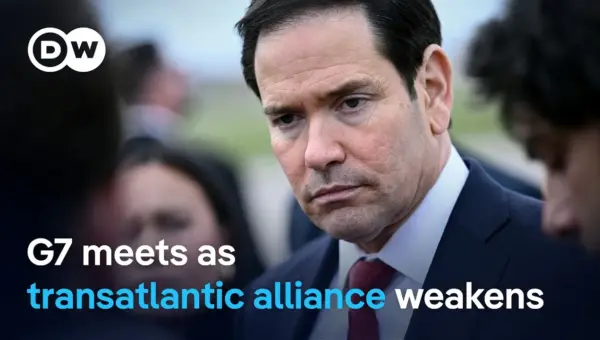
G7 Allies Clash Over Iran War Strategy, Urge Focus on Russia
G7 foreign ministers met in Paris, revealing deep divisions over the U.S. war with Iran. European allies urged the U.S. to pressure Russia, linking its actions to the conflict and fearing support for Ukraine will wane.


Iran Blocks China Ships, Exposing Beijing’s Weak Grip
Iran's recent decision to block Chinese ships at the Strait of Hormuz is exposing the limits of Beijing's influence in the Middle East. This action is causing delays and cancellations for Chinese manufacturers, turning a perceived geopolitical win into an economic strain.
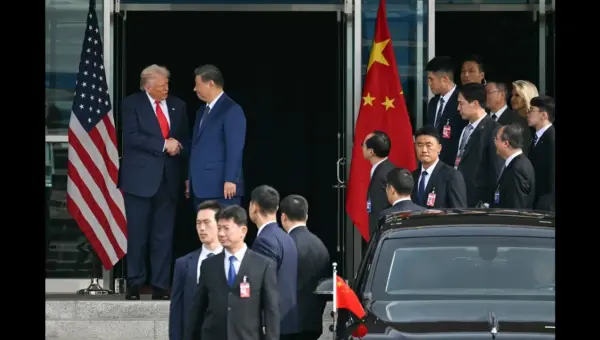
Trump’s “Walk Away” Tactic Signals Tougher Stance on China
Retired Air Force Brigadier General David Stillwell believes President Trump's strategy of being willing to walk away from negotiations puts pressure on China. This tactic, combined with US global actions and strengthened alliances, signals a more assertive American foreign policy.