Bitcoin Faces Downturn Amidst Market Shocks
Bitcoin experienced a sharp flash crash, dropping from $67,600 to $64,000, raising concerns about a potential further decline to $57,500. The downturn is attributed to geopolitical uncertainties, regulatory developments like the Clarity Act, and shifting investor sentiment. Miners are also reallocating resources towards AI, impacting the crypto landscape.

Bitcoin Experiences Volatility Amidst Shifting Market Sentiment
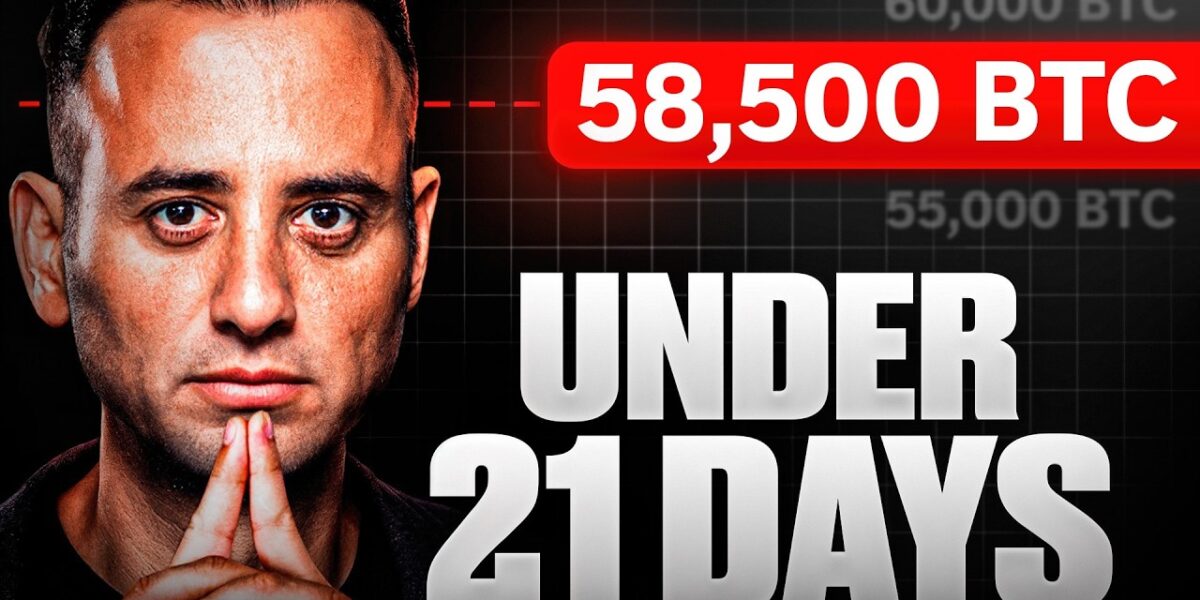
The cryptocurrency market has recently witnessed a significant price correction, with Bitcoin (BTC) experiencing a sharp decline from its recent highs. A flash crash saw the leading digital asset plummet from approximately $67,600 down to $64,000, signaling underlying market fragility. While the immediate price action might appear recovered on daily charts, this volatility has ignited concerns about a potential further downturn, with some analysts predicting a drop to the $57,500 level.
Understanding the Flash Crash and Market Indicators
The recent price drop, occurring on a Sunday night, has been attributed to a confluence of potential factors. These include geopolitical tensions, such as potential tariffs and conflicts in the Middle East, as well as crucial legislative developments impacting the crypto space. The speaker highlighted that such rapid price movements, particularly on lower timeframes, indicate a lack of liquidity in the market. This means that even minor sell-offs can trigger significant price drops.
A key technical indicator discussed is Bitcoin’s 200-day Exponential Moving Average (EMA). Historically, when Bitcoin crosses this significant moving average on the weekly chart, it has consistently retested the 200-day Simple Moving Average (SMA) within a few weeks. Given the recent price action, the 200 SMA is estimated to be around the $57,500 mark. If historical patterns hold true, this suggests a potential target for Bitcoin in the coming days or weeks.
Factors Influencing the Downturn
Geopolitical and Regulatory Headwinds
Several external factors are believed to be contributing to the current market sentiment. The potential imposition of new tariffs by former President Trump has created uncertainty. While the specifics of legal rulings around tariffs are complex, the general sentiment is that such trade policies can impact global markets. Additionally, escalating tensions in the Middle East, particularly concerning Iran, have historically led to increased oil prices and broader market apprehension, though the long-term impact on crypto remains debated.
The Clarity Act and its Implications
A significant focus of the discussion was the ‘Clarity Act,’ a piece of legislation aimed at providing regulatory certainty for the digital asset industry. The speaker shared insights from attending events at Mar-a-Lago, where discussions with traditional finance (TradFi) stakeholders revealed the critical importance of such legislation. TradFi professionals, accustomed to clear legal frameworks, view the absence of a defined regulatory structure as a major impediment to broader adoption and investment. The potential passage of the Clarity Act is seen as crucial for establishing a stable digital economy, akin to the internet’s growth in the 1990s.
However, recent developments suggest a weakening chance of the Clarity Act being passed. The speaker noted a sharp decline in the probability of its passage on prediction markets, from 82% to 42%. This shift is reportedly linked to disagreements over the treatment of stablecoin yields, a key incentive for users to hold digital assets. The speaker believes that despite apparent setbacks, influential figures like Donald Trump and Scott Bessent are pushing for the Act’s approval, as it aligns with broader economic goals, such as strengthening the US dollar’s position in the digital realm.
Shifting Investor Behavior and Miner Activity
The current market conditions are also characterized by a general exodus of participants and a change in operational focus for some entities. The speaker cited examples of prominent crypto influencers and figures who have reduced their engagement with the crypto space, attributing it to the prolonged period of sideways and downward price action, which has diminished the ‘thrill’ of crypto investing. Furthermore, institutional players like Bitcoin ETFs have seen outflows for several consecutive weeks. Even major Bitcoin miners, such as Bitia (owned by Jihan Wu), are reportedly reducing their mining operations. This shift is partly driven by the burgeoning AI industry, which offers a more lucrative return on investment for the energy and infrastructure that miners possess, with AI potentially being six times more profitable than Bitcoin mining.
On-chain data also suggests a potential cooling of the crypto ecosystem. The total market capitalization of stablecoins has seen a slight decrease from its peak, indicating a potential outflow of capital from the crypto space. This trend, combined with reduced mining activity and a general sentiment of disillusionment among some investors, paints a picture of a market undergoing a significant consolidation phase.
Trading Strategies in a Volatile Market
In the current challenging market, the speaker suggested that short-term trading strategies might be more effective. Observing the Relative Strength Index (RSI) on one-hour charts, the speaker noted that spikes are often followed by dumps, presenting opportunities for short-term gains. However, the overarching sentiment leans towards caution, with a recommendation to consider short positions based on the technical analysis of Bitcoin’s potential retest of the 200 SMA at $57,500.
Despite the short-term bearish outlook, the speaker reiterated their long-term commitment to the crypto market, viewing the current period of consolidation as an opportunity to accumulate assets for the next bull cycle. The core belief remains that strategic moves made during periods of market stress will be instrumental in building significant positions for future gains.
Source: Bitcoin Will Hit $58,500 In Less Than 21 Days [Data] (YouTube)

Related Articles


Private Credit Woes Echo 2008, Bitcoin’s Untested Waters
The private credit market is facing its worst crash since 2008, with signs of stress mirroring the lead-up to the 2008 financial crisis. This has raised concerns about broader economic stability and its potential impact on Bitcoin, which has never experienced a true credit crisis.

Geopolitical Turmoil Triggers Bitcoin Sell-Off
Geopolitical tensions and technical indicators point to a subdued short-term outlook for Bitcoin, with veteran trader Jason Pazino discussing potential downside risks and the impact of a long-term economic cycle.


Memecoin Season Stalled Amidst Broader Market Downturn
Despite a significant downturn in Bitcoin and altcoins, certain memecoins are showing resilience. This article explores the reasons behind this divergence, highlighting the importance of understanding market rotation and on-chain data over mainstream news.