Birthright Citizenship: What Does US Allegiance Truly Mean?
The Supreme Court is examining the meaning of "subject to the jurisdiction thereof" in the 14th Amendment, debating whether birthright citizenship hinges on political allegiance or simply being under U.S. law. The case explores global comparisons, national security, and practical implementation challenges, with potential impacts on immigration policy.

Birthright Citizenship: What Does US Allegiance Truly Mean?
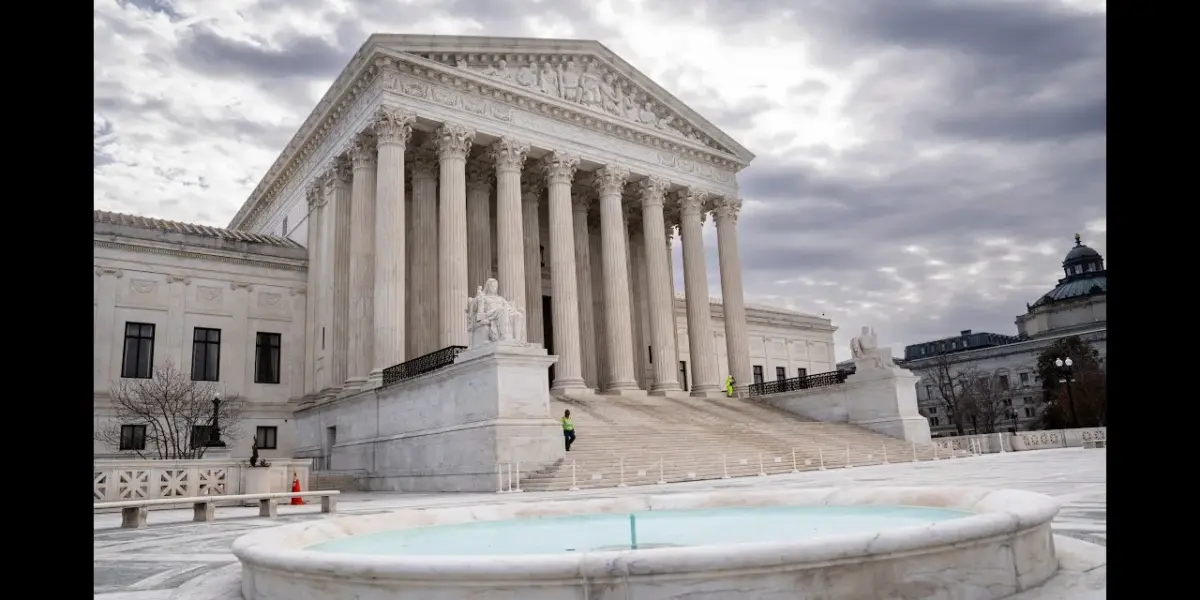
The Supreme Court recently heard arguments about a major question: who truly belongs in America? At the heart of the debate is birthright citizenship. This is the idea that anyone born on U.S. soil automatically becomes a citizen. President Trump’s administration wants to change this rule. The arguments presented focused on a key phrase in the 14th Amendment: “subject to the jurisdiction thereof.” What this phrase means is causing a lot of debate.
The Core of the Argument: Allegiance vs. Laws
The government’s side, represented by the Solicitor General, argued that “subject to the jurisdiction thereof” means having political allegiance to the United States. They believe this would exclude children born to parents who are in the country illegally. It would also exclude children of foreign diplomats or enemy soldiers. This interpretation suggests that citizenship should be based on loyalty, not just where you are born.
On the other hand, the American Civil Liberties Union (ACLU) argued a different meaning. They say “subject to the jurisdiction thereof” simply means being subject to U.S. civil and criminal laws. If you are in the U.S., even without legal status, you can be arrested and prosecuted. Therefore, you are under the country’s laws. The ACLU believes that changing the long-standing practice of birthright citizenship would be a drastic step.
A Look at the Hearing
During the 90-minute hearing, both sides presented their cases. A notable point was the Solicitor General stating that any change to birthright citizenship would likely only apply to future cases, not those already decided. This means it would apply “prospectively” and not “retroactively.” Much of the discussion revolved around interpreting a past Supreme Court case, Wong Kim Arc. The government believes this case supports their view that birthright citizenship isn’t guaranteed. The ACLU, however, argues it confirms the principle of birthright citizenship.
Why This Matters: Global Comparisons and Incentives
The United States is unusual in its broad application of birthright citizenship. Most European countries, for example, do not automatically grant citizenship to everyone born within their borders. They often require parents to be citizens or legal residents. The argument is that automatic birthright citizenship acts as a magnet for illegal immigration. It can lead to what some call “birth tourism” or “chain migration,” where children born in the U.S. later sponsor their parents and extended family for legal status.
If the Supreme Court sides with the president and interprets the 14th Amendment differently, it could remove this incentive for some. While it wouldn’t stop all illegal immigration, it would mean that children born to parents without legal status would not automatically receive U.S. citizenship. This decision could send a strong message globally about U.S. immigration policy.
National Security Concerns
The issue of national security was also raised during the arguments. Chief Justice John Roberts questioned the number of children born to parents in the U.S. illegally. The Solicitor General mentioned estimates suggesting around 1.5 million babies born to parents who are in the U.S. illegally were from China. He also pointed to Chinese companies that help people travel to the U.S. to gain birthright citizenship for their children. While the court’s ruling should focus on the Constitution, not policy, these security concerns are part of the background discussion.
Practical Challenges of Implementation
A significant question during the hearing was how a change to birthright citizenship would actually be put into practice. Justices like Amy Coney Barrett and Ketanji Brown Jackson asked about the logistics. Would hospitals need to check parents’ immigration status? The Solicitor General suggested that the burden might shift to families. They might have to prove their legal status to claim citizenship for their child. However, there isn’t a clear, detailed plan for how this would work. The practical side of implementing such a change remains uncertain.
What Happens if Birthright Citizenship is Upheld?
If the Supreme Court upholds the current understanding of birthright citizenship, the situation would largely remain the same. For most people, life would continue as it has for decades. Birthright citizenship has been the accepted norm in the U.S. for a long time. The ACLU, in particular, would prefer a ruling based on the Constitution itself, as this would make the right to birthright citizenship more permanent and harder to challenge in the future.
The ultimate decision will depend on how the justices interpret the 14th Amendment and the historical context of the phrase “subject to the jurisdiction thereof.” The outcome could reshape the understanding of American citizenship for generations to come.
Source: Birthright Citizenship Arguments Hinge on Allegiance to US: Analyst (YouTube)

Related Articles


GOP Lawmaker Demands ‘Aggressive’ AG Replacement
GOP lawmakers are divided over border security funding as one representative calls for a more "aggressive" Attorney General. The debate over funding and the upcoming replacement for AG Pam Bondi highlight internal party struggles. Meanwhile, concerns about birthright citizenship and FEMA's low disaster fund add to the political landscape.


Iran’s Regime Faces Pressure as US Focuses Inward
The U.S. faces a dual challenge: navigating complex foreign policy in Iran while grappling with deep domestic political divisions. The administration's strategy towards Iran is under scrutiny, with questions about its clarity and effectiveness. Simultaneously, the Supreme Court is hearing a pivotal case on birthright citizenship, potentially reshaping constitutional law.


House Delays DHS Funding Vote, Faces Recess
The House of Representatives has delayed a critical vote to fund the Department of Homeland Security, pushing the decision past a two-week congressional recess. The Senate previously passed a funding bill that excludes some immigration enforcement measures, but the House has yet to take it up. This stalemate leaves DHS partially unfunded and highlights deep divisions within the Republican party.