Birthright Citizenship Under Fire: Supreme Court Weighs Fate
The Supreme Court is examining the 14th Amendment's Citizenship Clause, which grants birthright citizenship. Donald Trump's challenge questions this long-standing principle, while legal experts and the ACLU argue for upholding it based on constitutional text and congressional statutes.

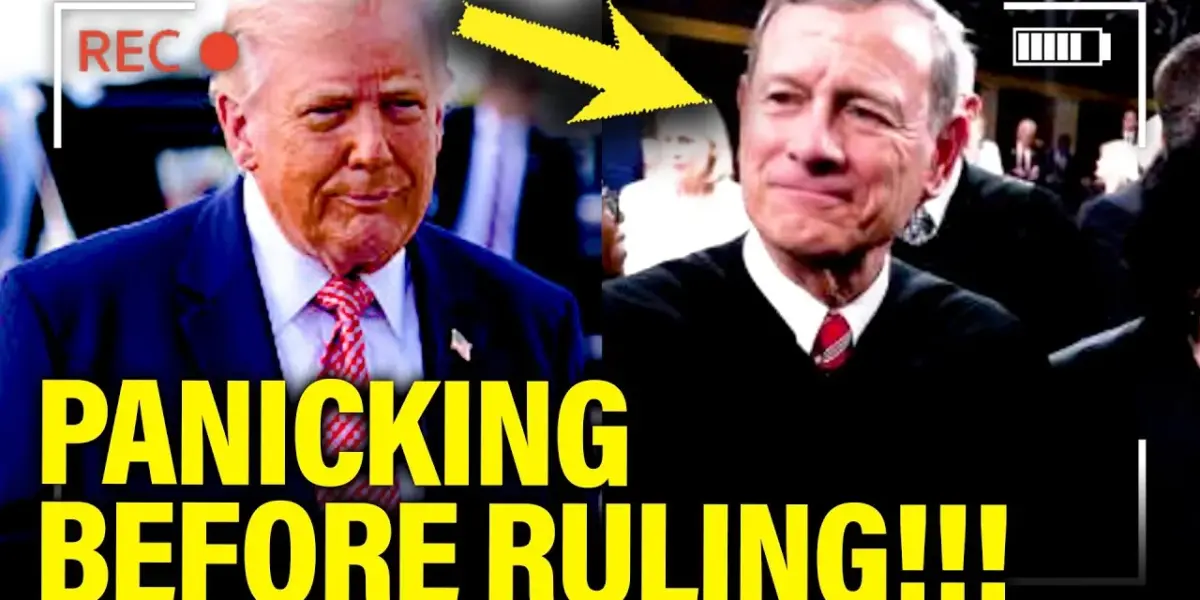
Supreme Court Faces Pivotal Birthright Citizenship Case
The United States Supreme Court is set to hear a major case that could redefine birthright citizenship, a cornerstone of American identity. This legal battle centers on the interpretation of the 14th Amendment, specifically the Citizenship Clause. The core question is whether individuals born in the U.S. are citizens regardless of their parents’ immigration status. This is a concept often referred to as birthright citizenship.
Historical Roots of Birthright Citizenship
The 14th Amendment, ratified after the Civil War, aimed to ensure citizenship for newly freed slaves. Its text states: “All persons born or naturalized in the United States, and subject to the jurisdiction thereof, are citizens of the United States and of the State wherein they reside.” This language has historically been understood to grant citizenship to anyone born on U.S. soil. This principle was upheld in the 1898 Supreme Court case *Wong Kim Ark*, which affirmed that a child born in the U.S. to Chinese immigrant parents was a U.S. citizen.
Trump’s Challenge and Legal Arguments
Donald Trump has publicly challenged this long-standing interpretation. His administration previously attempted to alter birthright citizenship through an executive order. The argument often hinges on a narrow reading of the phrase “subject to the jurisdiction thereof.” Proponents of limiting birthright citizenship suggest it might not apply to children born to parents who are not legal citizens. However, critics argue this interpretation is a convoluted attempt to bypass clear constitutional language and established legal precedent. They point out that any person born in the U.S. is subject to its laws and judicial system, regardless of their parents’ status.
Congressional Statutes and Judicial Restraint
Legal experts suggest a simpler path for the Supreme Court. Congress has passed laws, specifically a 1940 statute recodified in 1952, that directly address the definition of citizenship based on the 14th Amendment. These statutes essentially mirror the amendment’s language. The argument is that the Supreme Court could rely on these existing congressional acts. This approach would allow the court to rule that an executive order cannot overturn a clear congressional statute without delving into complex constitutional interpretation. This principle is known as judicial restraint, where courts avoid making broad rulings when a narrower legal basis exists.
The ACLU’s Position
The American Civil Liberties Union (ACLU) is representing a key party in this case. Their legal strategy focuses on the clear language of the 14th Amendment and existing statutes. Cody Wapsy, from the ACLU’s Immigration Project, explained that the amendment’s use of “all persons” was intentional and universal. He highlighted that debates during the amendment’s passage in 1866 confirmed it would apply to children of immigrants, not just formerly enslaved people. Furthermore, the government itself concedes that children of immigrants are covered by the 14th Amendment, though they wish to draw distinctions not found in the text.
Potential Implications and Future Outlook
The Supreme Court’s decision could have significant implications for millions of people. A ruling against birthright citizenship could create a class of individuals born in the U.S. who are not citizens, potentially leading to widespread legal and social disruption. It raises questions about the nature of citizenship and national identity. Critics fear such a change could lead to a tiered system of citizenship based on ancestry, echoing darker periods of history. The court’s approach, whether through broad constitutional interpretation or reliance on existing statutes, will be closely watched. Observers are looking to see if Chief Justice Roberts and the court will exercise judicial restraint or engage in a more expansive redefinition of citizenship.
Why This Matters
The case before the Supreme Court is more than just a legal technicality; it strikes at the heart of what it means to be American. Birthright citizenship has been a fundamental principle for over a century, shaping the nation’s diverse population. Challenging this principle opens a Pandora’s Box of questions about belonging, identity, and equality. The outcome will influence immigration policy, national cohesion, and the legal status of millions. It also tests the boundaries of presidential power versus congressional authority and the role of the judiciary in upholding established rights.
Source: Trump in a WORLD OF FEAR as Supreme Court Hears MAJOR CASE (YouTube)

Related Articles

Trump’s Mail-In Ballot Ban Sparks Crisis
Donald Trump's announcement to ban mail-in voting has been labeled a "constitutional crisis" by legal experts. The move faces immediate legal challenges and raises concerns about election integrity and voter access.

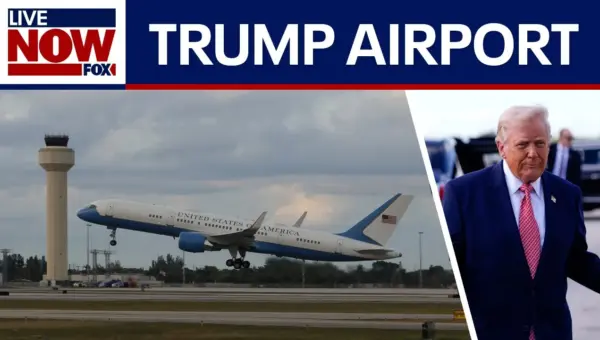
Palm Beach Airport Officially Renamed After Donald Trump
Palm Beach International Airport has officially been renamed President Donald Trump International Airport. The change, driven by Florida's Republican majority, has completed the legislative process but will take 18-24 months for full physical rebranding. Costs for signage and potential security increases are estimated to be several million dollars.


Trump’s Hormuz Gambit: A Risky Exit Strategy?
Donald Trump's recent statements suggest a potential U.S. withdrawal from operations in the Strait of Hormuz within weeks. This move raises concerns about global oil supplies and regional stability, especially as Iran continues to pose threats despite claims of its military weakness. The situation is further complicated by domestic controversies surrounding election integrity and the use of presidential powers.