Billions in Welfare Fraud Emerge in Minnesota
Millions, potentially billions, of taxpayer dollars may have been lost to welfare fraud in Minnesota over the past seven years. A congressional hearing has brought new scrutiny to state officials, with allegations of inaction and potential obstruction of justice. Whistleblower accounts and audio evidence suggest serious mishandling of federal funds, prompting calls for accountability.

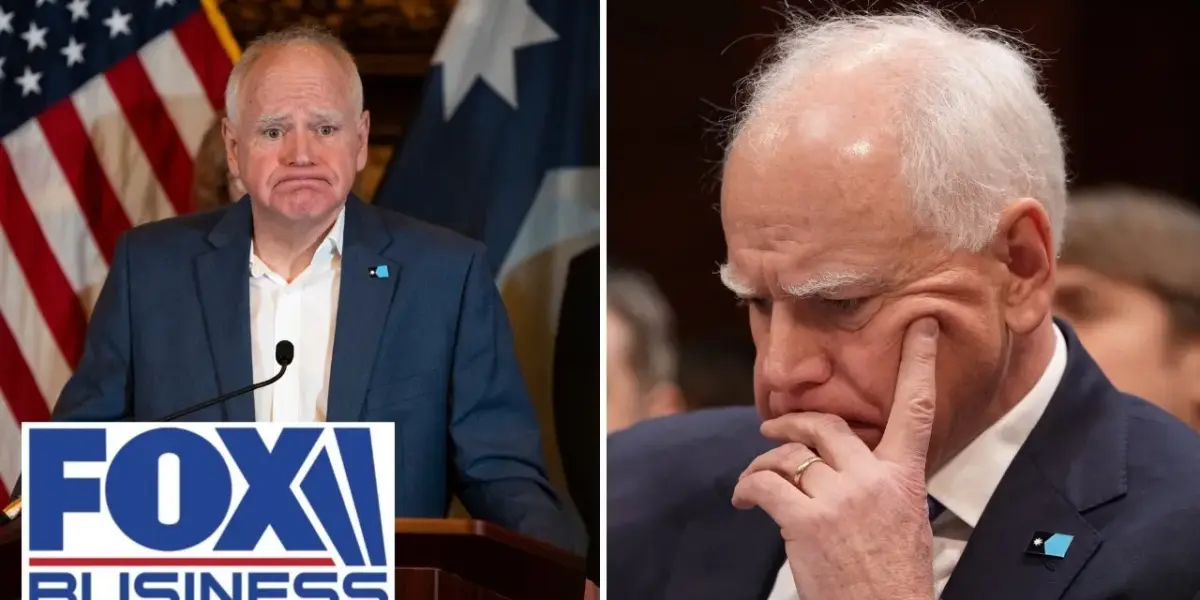
Minnesota Faces Scrutiny Over Billions in Alleged Welfare Fraud
Millions, potentially billions, of taxpayer dollars may have been lost to welfare fraud in Minnesota over the past seven years. A recent congressional hearing has brought this issue to the forefront, with lawmakers questioning how such widespread fraud could go unnoticed or unaddressed by state officials.
Allegations of Mismanagement and Inaction
The focus of the scrutiny is on the alleged mishandling of federal funds, particularly in programs like Medicare, where Minnesota’s error rate has been a point of concern. Congressman Tom Emmer, House Majority Whip, stated that the recent hearing has forced state officials, including Governor Tim Walz, to appear more concerned about fraud. However, he believes this is a reaction to public pressure rather than genuine proactive measures.
“The result from the hearing is that Tim Walz in the local paper who work in concert together, are now trying to make it look like he cares about fraud.”
Emmer suggests that new initiatives and positions being created by the Walz administration are merely attempts to appear responsive. He argues that Minnesotans are aware of the ongoing issues and that officials have been aware of the problem for years. The congressman estimates that between $1 billion and $9 billion may have been misspent under the watch of Governor Walz and Attorney General Keith Ellison over the last seven and a half years.
Whistleblowers and Potential Obstruction
Central to the investigation are whistleblowers, including a former Assistant Commissioner of Education. This individual reportedly alerted the Walz administration and Attorney General’s office as early as April 2020 to concerns about fraud. Despite these early warnings, investigations and prosecutions appear to have stalled.
Concerns have also been raised about potential obstruction of justice. A whistleblower law in Minnesota carries strict penalties for intimidating or threatening those who report wrongdoing. Governor Walz has faced accusations from social service workers that he advised them to avoid publicizing certain stories, which could be a violation of this law.
Attorney General’s Office Under a Microscope
The actions, or inactions, of the Attorney General’s office are also under intense scrutiny. Before Keith Ellison took office, former Attorney General Lori Swanson was reportedly investigating and prosecuting Somali daycare fraud. However, upon taking over in 2018, Ellison announced that no further investigations would proceed without his explicit approval. According to reports, no further investigations of this nature have occurred since.
A 54-page report from the House Oversight Committee, which has taken sworn statements from whistleblowers, details these allegations. One key piece of evidence mentioned is a 54-minute audio tape where Attorney General Ellison reportedly assured individuals involved in fraudulent activities that he was there to help them, while simultaneously urging them to continue making payments to avoid accusations of racism or Islamophobia.
Call for Accountability
Congressman Emmer emphasizes the need for accountability, stating that individuals involved in such schemes should face legal consequences, including potential jail time. He believes that seeing others pay a price for bad behavior is essential to deterring future misconduct.
Market Impact
The revelation of potential widespread welfare fraud could have significant implications for state budgets and federal funding. It raises questions about the oversight mechanisms in place for government programs and the effectiveness of current anti-fraud measures. Investors and taxpayers alike are watching closely to see how these allegations are addressed and what reforms may be implemented to prevent future losses.
What Investors Should Know
For investors, this situation highlights the importance of understanding how government spending and oversight can impact the broader economy. While this specific issue relates to state-level welfare programs, it underscores the need for transparency and accountability in all areas of public finance. The potential for billions in lost funds could lead to increased scrutiny of government contracts and program management, potentially affecting companies that rely on or operate within these sectors.
The ongoing investigations and potential legal actions could also create uncertainty. Investors should pay attention to developments in this case, as well as any broader trends in government accountability and anti-fraud efforts, as these can influence market sentiment and investment strategies. The focus on accountability could lead to more stringent regulations and oversight in the future, which may present both challenges and opportunities for businesses operating in the public sector.
Source: NOW Walz is trying to make it looks like he cares?: GOP congressman (YouTube)

Related Articles

Tech Giants Face Jury Verdicts on Youth Harm
Tech giants YouTube and Meta have been found liable by a California jury for creating addictive platforms that harm young users. This landmark verdict, alongside a significant New Mexico ruling against Meta for failing to protect children, challenges the long-held legal protections like Section 230. Experts believe these cases signal a new era of accountability, focusing on platform design rather than just user content.

ICE Agents Caught Fabricating Charges on Tape
ICE agents were caught on audio discussing fabricating charges against Sydney Reed after she filmed them protesting. Grand juries repeatedly refused to indict, and Reed was ultimately acquitted. This incident highlights concerns about agent conduct and the importance of citizen documentation.


Protestors Demand Accountability: Is This the Turning Point?
A massive protest, dubbed the largest in American history, has issued a strong call for political accountability and sustained citizen engagement. Speakers urged attendees to become messengers, aiming to translate protest energy into electoral victories through 2028. The movement envisions a future with universal healthcare, climate action, and a focus on domestic needs.