Billions Idle in California as Rebuilding Stalls
Billions in disaster recovery money remain idle in California due to slow permitting and rampant fraud. Despite $3.2 billion in SBA loans, only a third have been accessed, stalling rebuilding efforts for thousands of residents. Federal officials are now cracking down on fraud while extending deadlines to access funds.


Billions Idle in California as Rebuilding Stalls
More than a year after devastating fires swept through California, a significant portion of disaster recovery funds remains untouched, hindering rebuilding efforts. Despite billions in federal aid, a complex web of slow permitting processes and rampant fraud is keeping crucial funds from reaching those in need. This has left thousands of residents waiting for help, with many questioning the effectiveness of current recovery programs.
Slow Progress on Rebuilding Efforts
Following widespread destruction, which saw over 16,000 structures lost, the Small Business Administration (SBA) stepped in to support recovery. The agency committed a record $3.2 billion in lending to aid rebuilding efforts. However, a shocking reality has emerged: only about one-third of these loans have actually been accessed by borrowers. This means billions of dollars intended to help families rebuild their lives are sitting idle.
The primary culprit identified for this delay is the persistently slow permitting process at the local level. Even with executive orders aimed at speeding things up, the pace of approvals has been glacial. As of recent reports, only a mere 50 homes have been permitted for construction. This lack of progress is not only frustrating for residents but also erodes confidence in the recovery system.
Fraud Undermines Recovery Efforts
Adding to the crisis, rampant fraud has been uncovered within the recovery aid system. Investigations have revealed significant misuse of funds, particularly in California. One address alone was found to have improperly received 12 SBA loans. This type of fraudulent activity has led to the suspension of numerous borrowers, highlighting a critical flaw in how federal disaster relief is being distributed.
The scale of fraud is staggering. Reports indicate that as much as $8.6 billion in welfare state fraud has occurred in California. Nationally, a crackdown on fraud has seen 111 borrowers suspended in California and an additional 11,000 in Minnesota, involving hundreds of millions of dollars. This widespread fraud not only wastes taxpayer money but also diverts resources away from legitimate recovery needs.
Federal Response to Fraud and Delays
Federal officials are now emphasizing a state-by-state crackdown to combat fraud and ensure funds are used appropriately. A task force is working to identify and prosecute those involved in defrauding federal programs. The goal is to create a strong deterrent against future fraud. Vice President Vance has been vocal about this initiative, stating that perpetrators will face legal consequences.
The issue of fraud is not isolated to disaster recovery. A Government Accountability Office (GAO) report suggested that nearly half a trillion dollars from federal programs is lost to fraudsters each year. This includes various sectors like home healthcare and extends to other states like Illinois, New York, and Maine, which have also been identified as centers for fraudulent activity.
To address the immediate issue of untouched funds, the deadline for drawing down SBA disaster loans has been extended to June 30. This extension aims to give residents more time to navigate the system and access the financial support they desperately need. However, the underlying problems of slow permitting and the threat of fraud must be resolved for effective long-term recovery.
Market Impact and Investor Considerations
The situation in California highlights broader concerns about the efficiency and security of government aid programs. For investors, this underscores the importance of understanding how government spending and regulation can impact various sectors, particularly construction and insurance. The delays in rebuilding can affect the supply of housing, potentially influencing real estate markets in affected areas.
Furthermore, the revelation of widespread fraud can lead to increased scrutiny and stricter regulations on federal programs. This could result in higher compliance costs for businesses involved in government contracts or aid distribution. The effective use of taxpayer dollars is crucial for economic stability, and persistent issues with fraud and inefficiency can erode public trust and lead to more cautious government spending in the future.
The sheer amount of idle funds and the ongoing fraud suggest a need for systemic reform. Until these issues are addressed, the full economic benefit of the recovery money will not be realized. This also means that communities impacted by disasters will continue to face prolonged recovery periods, impacting local economies and the well-being of their residents.
Source: BILLIONS UNTOUCHED: Recovery money sits IDLE in California as building stalls (YouTube)

Related Articles


U.S. Cracks Down on Fraud With New Anti-Fraud Task Force
The U.S. government has launched a new anti-fraud task force aimed at tackling widespread fraud in federal programs. Vice President Vance highlighted the need for a "whole of government approach" to stop the theft of taxpayer dollars and protect vital services for citizens. The initiative seeks to restore public trust by increasing accountability and strengthening fraud protections.

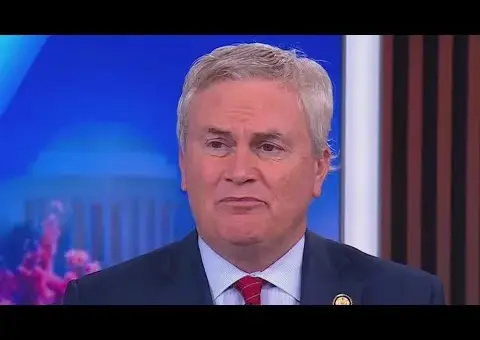
Congress Probes $3.5B California Hospice Fraud Scheme
The House Oversight Committee has launched an investigation into a massive hospice fraud scheme in California, allegedly costing taxpayers $3.5 billion. Chairman James Comer is examining the role of Governor Gavin Newsom's administration and aiming to prosecute those responsible for stealing federal funds.


California Gas Prices Surge: Governor Newsom Faces Scrutiny
California's average gas prices have hit $6 per gallon, sparking criticism of Governor Newsom and state taxes. Meanwhile, Delta Air Lines is ending priority boarding for Congress, reflecting growing public frustration with travel delays and perceived special treatment.