Billionaire Takeover Threatens Media Landscape
A proposed merger between Paramount and Warner Bros. Discovery, backed by the Ellison family, could grant them vast control over American media consumption. Critics warn of consolidated power and potential political influence, while advocates for independent media stress the need for diverse viewpoints.

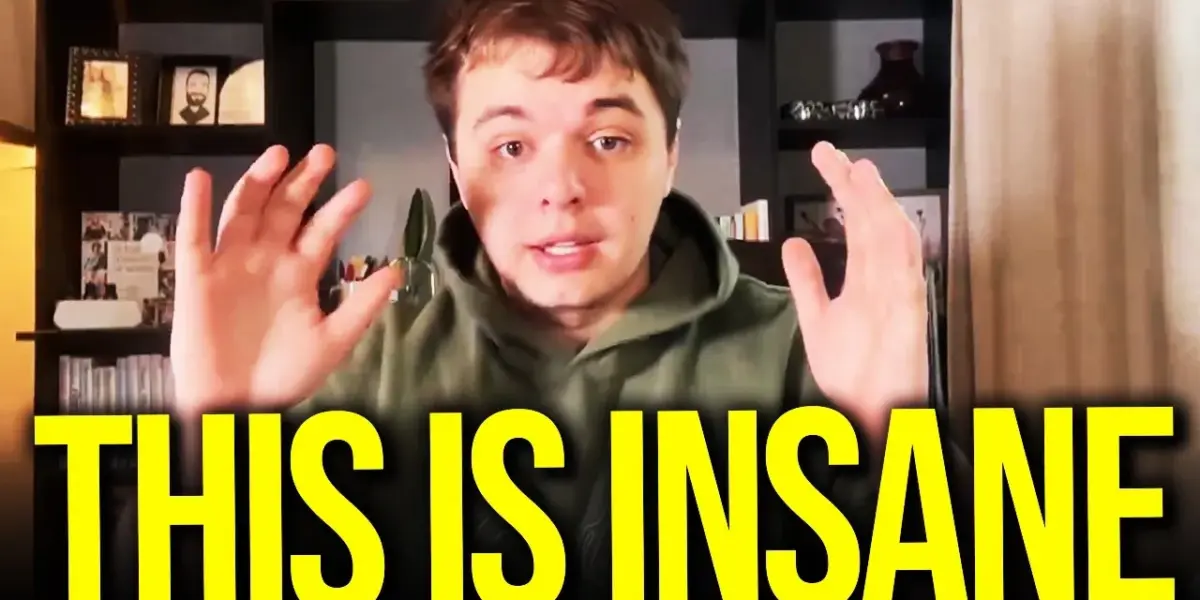
Billionaire Takeover Threatens Media Landscape
A proposed merger between Paramount and Warner Bros. Discovery, backed by billionaire Larry Ellison and his son David Ellison, has ignited serious concerns about media consolidation and its potential impact on American public discourse. While proponents may frame it as a strategic business move, critics argue that if successful, this deal could place an alarming amount of media consumption power into the hands of a single, ideologically aligned family, potentially shaping narratives and limiting diverse viewpoints.
The Scale of the Proposed Acquisition
The core of the concern lies in the sheer scale of media properties that could fall under the control of the Ellison family. Through their involvement with Skydance, which is posturing towards acquiring Warner Bros. Discovery and has a prior merger with Paramount, the father-son duo could potentially command nearly 50% of American media consumption. This would include a vast array of influential outlets and entertainment giants:
- CNN
- HBO Max
- Paramount and Paramount Plus
- CBS and CBS News
- DC Comics
- Intellectual property from Disney, Marvel, and New Line Cinema
- Various cable channels such as Food Network, HGTV, Discovery, TLC, Adult Swim, Showtime, TNT, and TBS.
This consolidation raises immediate red flags regarding competition, consumer choice, and the diversity of information available to the public. The potential for a single entity to wield such influence over news, entertainment, and cultural touchstones is unprecedented and, for many, deeply unsettling.
Allegations of Political Influence
Adding another layer of controversy to the proposed merger are allegations of political entanglement. The transcript suggests that David Ellison has promised sweeping changes at CNN to Donald Trump, contingent on the merger’s approval and Trump’s acquiescence. Larry Ellison, the father, is described as a prominent Trump donor who hosts fundraisers and provides financial backing. This perceived quid pro quo raises questions about whether the business deal is being driven by market forces or by political expediency, potentially leading to media outlets that serve partisan interests rather than the public good.
“David Ellison seems to have promised Donald Trump sweeping changes at CNN if the Warner Brothers Discovery takeover succeeded… David Ellison, the son on the right, has promised Donald Trump that there will be sweeping changes if Trump just looks the other way while this merger happens.”
Historical Context of Media Consolidation
The current anxieties surrounding the Paramount-Warner Bros. Discovery deal are not isolated incidents. The media industry has a long history of consolidation, driven by technological advancements, deregulation, and the pursuit of economies of scale. From the rise of broadcast networks to the proliferation of cable channels and the digital age, mergers and acquisitions have reshaped the media landscape repeatedly. Each wave of consolidation has sparked debates about market power, journalistic integrity, and the potential for a homogenization of content. Past mergers have often led to job losses for creatives and a reduction in the diversity of voices and perspectives within the industry, as noted by actor Mark Ruffalo, who expressed concerns about competition and wages.
The Role of State Attorneys General
While congressional oversight may be limited in preventing such a merger, the transcript highlights a crucial avenue for opposition: state attorneys general. California Attorney General Rob Bonta has publicly stated that the Paramount-Warner Bros. deal is not a done deal and that his department has an open investigation. This proactive stance suggests that regulatory scrutiny at the state level can serve as a significant hurdle for large-scale corporate mergers. The strategy proposed is to encourage citizens to contact their state attorneys general and urge them to file lawsuits to halt or significantly delay the merger. The argument is that even a temporary stall could provide opportunities for greater oversight, political shifts, or a complete blocking of the deal.
The Importance of Independent Media
In the face of potential media consolidation, the role of independent media outlets is underscored as critically important. Outlets that operate without the financial backing of large corporations or political entities can offer alternative perspectives and pursue stories that might be suppressed or ignored by more consolidated media giants. The transcript emphasizes the value of such independence, allowing for the reporting of truth without external pressure or the need to cater to specific political agendas. The example of CBS News, where leadership changes have allegedly led to more ideologically aligned and potentially propagandistic coverage, serves as a cautionary tale.
Why This Matters
The potential acquisition by the Ellison family is more than just a business transaction; it represents a critical juncture for the future of information dissemination and cultural influence in the United States. If unchecked, such consolidation could lead to a media environment where a narrow set of viewpoints is amplified, while dissenting or alternative perspectives are marginalized. This has profound implications for democratic discourse, public opinion, and the ability of citizens to make informed decisions. The concentration of power in media can stifle innovation, reduce the quality of content, and create echo chambers that polarize society further.
Implications, Trends, and Future Outlook
This situation reflects a broader trend of increasing concentration of power across various industries, including media. As technology evolves and market dynamics shift, large corporations often seek to grow through mergers and acquisitions, leading to fewer, larger players dominating the landscape. The future outlook hinges on the effectiveness of regulatory bodies and public advocacy. If state attorneys general are successful in challenging this merger, it could set a precedent for more robust antitrust enforcement in the media sector. Conversely, if the merger proceeds, it could embolden further consolidation, potentially leading to a less diverse and more controlled media ecosystem. The pushback from independent media creators and concerned citizens highlights a growing awareness and demand for transparency and accountability in the media industry.
The call to action – contacting state attorneys general – represents a tangible way for the public to engage with the issue and exert pressure. The success of such efforts often depends on collective action and sustained attention. The battle over the future of media ownership is ongoing, and this proposed merger has brought the stakes into sharp focus.
Source: We need to FIGHT this… (YouTube)

Related Articles


Google & Epic Forge Alliance Post-Monopoly Battle
Google and Epic Games have surprised the tech world by announcing a settlement years after Epic's antitrust victory. The deal, which aims to lower app store fees and foster competition, faces judicial skepticism but signals a new direction for Android app distribution.


SAG Awards Boost ‘Sinners,’ Paramount & HBO Merge?
The 2026 awards season is heating up with SAG Awards predictions favoring 'Sinners,' while a potential Paramount and HBO Max streaming merger could shake up the industry. Plus, a writer has been secured for the highly anticipated 'Game of Thrones' movie.
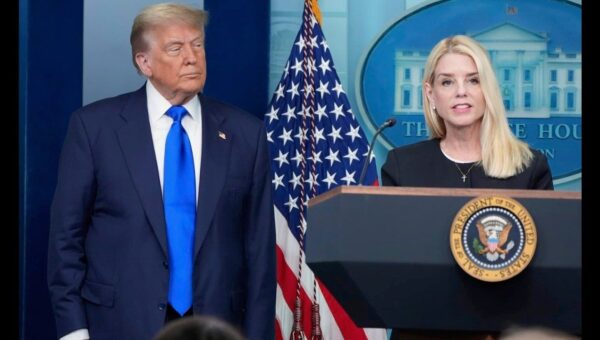
California AG Challenges Major Media Merger, Cites Antitrust Concerns
California Attorney General Rob Bonta is investigating the proposed merger between Paramount Global and Warner Bros. Discovery, citing potential antitrust violations and the concentration of media power. The state is asserting its independent authority to scrutinize the deal, even if federal agencies approve it, emphasizing concerns over rising prices and reduced competition.