Billionaire Funds Anti-Trans Panic to Distract From Tax Hikes
A prominent voice suggests that anti-trans campaigns are funded by billionaires to distract from economic issues like tax hikes. This analysis explores the implications of using manufactured culture wars to divert public attention from pressing societal needs.

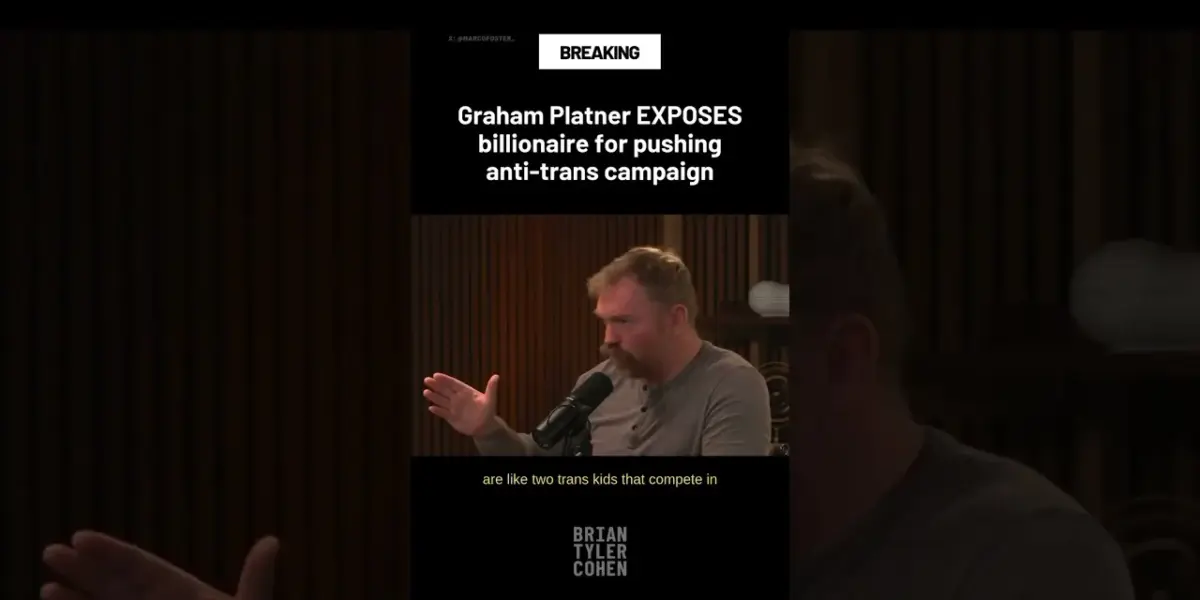
Billionaire Funds Anti-Trans Panic to Distract From Tax Hikes
A recent assertion from Graham Platner, as captured in a brief but potent exchange, suggests a deliberate strategy by wealthy individuals to manipulate public discourse. The core of this claim is that a significant anti-trans campaign, particularly in Maine, is not a grassroots movement but rather a financially engineered effort by an out-of-state billionaire. The alleged motive? To divert attention from pressing economic issues, specifically the potential for increased taxes on the wealthy.
The Manufactured Culture War
Platner posits that the fervor surrounding transgender participation in sports, a recurring theme in these campaigns, is an “invented culture war scare.” This tactic, he argues, serves to sow division among the populace, making them less likely to focus on or demand policies that might affect the financial interests of billionaires, such as extending the Affordable Care Act (ACA) or raising taxes.
The specific example cited is the state of Maine, where the anti-trans campaign is reportedly funded by an external billionaire. Platner contrasts the perceived urgency and scale of the transgender sports issue with the very real consequences of policy decisions affecting healthcare access. He highlights that there are seemingly very few transgender students participating in high school sports in Maine, while tens of thousands of individuals face the loss of healthcare due to the potential expiration of the ACA extension. This stark comparison underscores his point: one issue is presented as an existential threat by a well-funded campaign, while the other, with potentially far greater real-world impact on a larger number of people, is relegated to the background.
Historical Echoes of Distraction
This alleged tactic of manufacturing social anxieties to deflect from economic policy is not new. Throughout history, various groups have been targeted as the “other” or a perceived threat to distract from systemic inequalities or unpopular governmental actions. “Culture war” issues, often involving social identity and morality, have proven effective in mobilizing certain segments of the electorate and creating emotional appeals that bypass rational economic analysis. By framing debates around divisive social issues, powerful interests can often secure the political conditions favorable to their economic status quo.
The strategy Platner describes taps into a long-standing playbook where social issues become proxies for larger economic or political battles. When public attention is consumed by emotionally charged debates on topics like gender identity, it becomes harder for citizens to coalesce around economic reforms or to scrutinize the financial dealings and political influence of the ultra-wealthy. The “us vs. them” narrative, fueled by fear and moral outrage, can effectively fragment potential opposition and maintain existing power structures.
The Role of Billionaire Influence
The transcript directly names “billionaires” as the architects of these campaigns, suggesting a level of coordinated effort and significant financial backing. This raises critical questions about the influence of money in politics and advocacy. When a single wealthy individual can fund a campaign to shape public opinion on a sensitive social issue, it suggests a power imbalance where personal financial interests can override broader societal needs or democratic deliberation.
The implication is that these campaigns are not organic expressions of public concern but rather strategic investments designed to yield a particular political and economic outcome. The focus on “raising his taxes” as a motive is particularly telling. It suggests that the billionaire in question is less concerned with the abstract merits of the social debate and more with preserving their personal wealth, using the anti-trans campaign as a smokescreen. This perspective frames the issue not as a genuine social concern but as a calculated maneuver in a larger game of economic self-preservation.
Why This Matters
This perspective is crucial because it challenges the narrative often presented by such campaigns. If Platner’s assertion holds weight, then the public is not engaging in a genuine debate about transgender rights or participation in sports, but is instead being manipulated into a distraction. This matters because:
- Informed Consent: Citizens are being led to believe they are acting on genuine moral or social concerns, when in reality, their attention is being diverted from issues with more direct and widespread economic consequences.
- Policy Priorities: Public discourse and legislative attention are being consumed by manufactured crises, taking away focus from critical issues like healthcare access, economic inequality, and infrastructure.
- Democratic Integrity: The deliberate use of financial power to shape public opinion on social issues for economic gain erodes the principles of democratic debate and informed decision-making.
- Social Cohesion: Culture war tactics are inherently divisive. If used as a tool for economic distraction, they actively harm social cohesion by pitting groups against each other.
Implications, Trends, and Future Outlook
The implications of this alleged strategy are far-reaching. It suggests a trend where social issues are increasingly weaponized by powerful economic interests to maintain their advantage. In the current political climate, where polarization is high and trust in institutions is low, such tactics can be particularly effective. The ease with which information can be disseminated and amplified through various media channels, including social media, means that well-funded campaigns can quickly gain traction and shape public perception, even if the underlying issue is statistically minor or manufactured.
Looking ahead, this dynamic is likely to persist and potentially intensify. As economic inequality continues to grow and the gap between the ultra-wealthy and the general population widens, the incentive for those at the top to employ distraction tactics will remain strong. We may see a continued rise in “culture war” issues being amplified, often with significant financial backing, to obscure debates about wealth distribution, corporate power, and tax policy.
The future outlook necessitates a more critical and discerning public. Understanding the potential financial motivations behind social campaigns is essential. The ability to distinguish between genuine grassroots concerns and astroturfed movements funded by vested interests will be a key skill for navigating the complex information landscape. Furthermore, a renewed focus on economic policy and the influence of money in politics is vital to ensure that public discourse serves the common good rather than the private interests of a few.
Conclusion
The assertion that billionaires are funding anti-trans campaigns to distract from tax discussions presents a sobering view of how social issues can be manipulated for economic gain. It calls for a deeper examination of the forces shaping our public conversations and a vigilant approach to discerning the true motives behind the issues that dominate our headlines. The fight for attention in the modern media landscape is fierce, and understanding who is funding the fight, and why, is more important than ever.
Source: Graham Platner EXPOSES billionaires for pushing anti-trans campaign (YouTube)

Related Articles

Trump Fires DHS Secretary Noem Amidst Controversy
DHS Secretary Kristi Noem has been fired by Donald Trump, sparking speculation about the reasons behind the dismissal. Theories range from poor job performance to a calculated distraction from controversial policies and events. Noem's tenure was marked by a harsh mass deportation program and a contentious ad campaign.


GOP Senators Urge Illegal Tax Cuts for the Wealthy
Republican Senators Ted Cruz and Tim Scott are reportedly urging the Treasury Department to illegally cut capital gains taxes, a move that critics say primarily benefits the wealthy and bypasses Congress. This action is framed as a desperate attempt to win back voters ahead of the midterm elections.

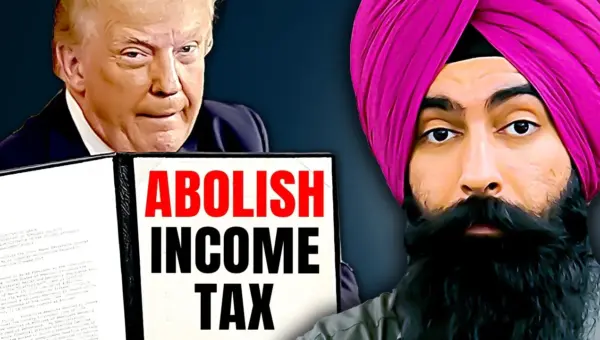
Trump Eyes Income Tax Abolition Via Tariffs
President Trump's proposal to replace income taxes with tariffs and the extension of lower tax rates under the 'One Big Beautiful Bill Act' for 2026 could reshape the U.S. fiscal landscape. Analysis suggests tariffs would need to increase dramatically to replace income tax revenue, while the new tax law offers adjusted brackets and expanded retirement savings options.