Big Ben’s Bell Blame Game: Was Le’Veon the Real Distraction?
Ben Roethlisberger's suggestion that Le'Veon Bell's contract dispute distracted the Steelers is met with skepticism. Analysts argue head coach Mike Tomlin failed to manage distractions, questioning Roethlisberger's own role and media habits. The comments highlight a season marred by internal turmoil and missed playoff opportunities.


Steelers’ Season Finale Fallout: Roethlisberger Points Finger at Bell, Analysts Question Tomlin’s Leadership
As the dust settles on another disappointing Pittsburgh Steelers season, the quarterback himself, Ben Roethlisberger, has ignited a firestorm by suggesting that the prolonged absence and contract saga of running back Le’Veon Bell was a significant ‘distraction’ that contributed to their playoff miss. However, the sentiment from analysts like Marcus Spears on ESPN’s First Take paints a different picture, placing the onus squarely on head coach Mike Tomlin to manage such situations effectively.
“The fact that he used the word distraction, it doesn’t shine a good light on Mike Tomlin,” Spears stated bluntly. “Because the one thing you’ve got to do as a coach and as the team is you’ve got to eliminate distractions. We said early on that they were talking too much about Le’Veon Bell when he wasn’t even there.”
The narrative that Bell’s holdout, which saw him ultimately miss the entire 2018 season after playing under the franchise tag in 2017, was the primary reason for the Steelers’ downfall is being met with skepticism. Spears argued that once Bell’s departure became clear, the team should have moved on, treating it as an injury and focusing on the players present. “You mortgage your future, you know what they should have said? It’s an injury, he’s not here, get moving. We’re moving on. We’re moving on.”
Roethlisberger’s Media Habits Under Scrutiny
Spears also took aim at Roethlisberger’s tendency to overshare with the media, suggesting that the quarterback himself contributes to the information overload. “My problems with Big Ben anyway is he just miles off too much in the media and gives up too much information for public consumption.”
The core of the criticism directed at Roethlisberger’s comments revolves around the timing and the implication. “Hearing Big Ben at this stage in the game, late in the year, the season’s over, and he’s talking about how Le’Veon was a distraction?” Spears questioned. “Number one, why would you even be saying that again?”
The implication that a single player’s contractual dispute, especially one resolved before the season even began, could derail a team with aspirations of playoff contention is being heavily debated. The Steelers’ season was marked by more than just the Bell situation; the public feuds and on-field outbursts of wide receiver Antonio Brown also created significant internal turmoil. “This ain’t just started, Antonio Brown been blowing up on the sidelines, he’d been going off on players and coaches,” Spears highlighted, pointing to a pattern of disruptive behavior within the team.
Tomlin’s Role and Player Accountability
The discussion inevitably circles back to the leadership of Mike Tomlin. If distractions were indeed the downfall, as Roethlisberger’s comments suggest, then the responsibility for mitigating them falls on the head coach. “Mike Tomlin, did Mike Tomlin do a good enough job of handling that whole situation? And apparently, he didn’t do a good job,” Spears concluded.
The financial aspect of Roethlisberger’s contract, reportedly around $23 million against the cap for the upcoming season, adds another layer to the discussion. While players in the league understand the business, Spears expressed frustration that a veteran quarterback, earning top dollar, would attribute a playoff miss to distractions rather than focusing on solutions.
“You making twenty million dollars a year, you’re a quarterback, you’re supposed to be the leader, reaching out to everybody to have harmony. And distractions cost you two playoffs? So what were you doing?”
Looking Beyond Bell: A Season of Turmoil
The 2018 season saw Roethlisberger throw for over 5,000 yards, while JuJu Smith-Schuster emerged as a star and James Conner had a breakout year. Despite these individual successes, the team faltered. The argument presented is that if Bell’s absence was truly the deciding factor, it points to a deeper issue within the team’s ability to overcome adversity and maintain focus, a characteristic that should be fostered by the coaching staff and led by the quarterback.
The statistics are stark: Roethlisberger, at 36 years old and turning 37 next season, was part of a Steelers team that missed the postseason for the first time since 2013. This lengthy streak of playoff appearances underscores the significance of their current predicament.
What’s Next for Pittsburgh?
Roethlisberger’s comments, whether an attempt to deflect blame or a genuine reflection of frustration, have opened a Pandora’s Box regarding the Steelers’ internal dynamics. The focus will now shift to how the organization addresses these issues in the offseason. Will Tomlin face increased pressure to assert stronger control over the locker room? Will Roethlisberger adjust his approach to leadership and media engagement? And how will the team navigate the post-Bell era, with or without a franchise-altering running back?
The shadow of Le’Veon Bell may linger, but the Steelers’ path forward depends on their ability to eliminate internal distractions and foster a unified culture, regardless of who is under contract. The comments from Roethlisberger and the subsequent analysis serve as a critical examination of a team at a crossroads, prompting difficult questions about leadership, accountability, and the true nature of success in the NFL.
Source: Roethlisberger can’t blame Le’Veon Bell for Steelers’ bad season Marcus Spears First Take (YouTube)

Related Articles


Manning on Red Sox Dream: ‘Big Deal’
Eli Manning, the legendary former NFL quarterback, revealed a childhood dream of playing for the Boston Red Sox. Despite a storied career with the New York Giants, Manning admitted the allure of the historic franchise was a 'big deal' for him growing up.

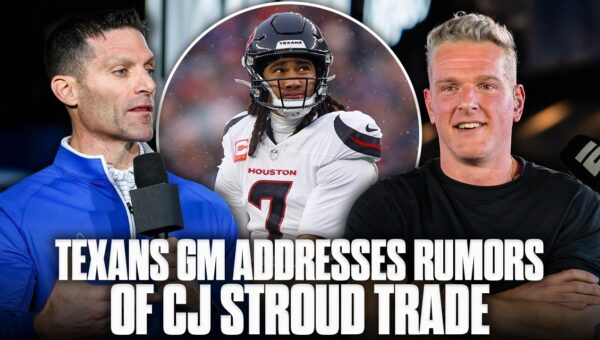
Texans GM: CJ Stroud Is Our QB, He’s Not Going Anywhere
Houston Texans GM Nick Caserio unequivocally stated that CJ Stroud is their quarterback and not available for trade. Caserio emphasized the team's belief in Stroud and their commitment to building around him for the future. The discussion also touched on the Texans' rapid turnaround and their overall team-building philosophy.

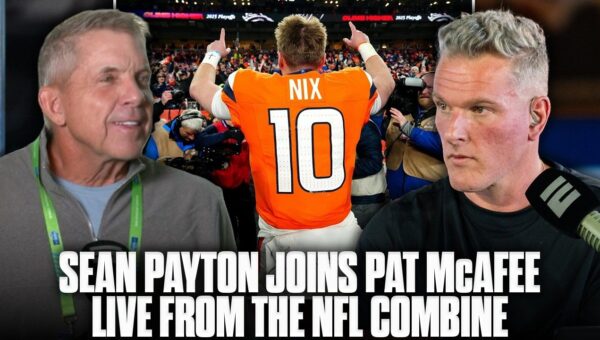
Sean Payton Steps Back from Playcalling
Denver Broncos head coach Sean Payton is relinquishing playcalling duties, a decision influenced by quarterback Bo Nix's season-ending injury and a desire to focus on long-term team building. Payton discussed the challenges, the team's health initiatives, and his own history with stepping back from playcalling.