Beirut Reels From Attacks Amidst Fragile Peace Talks
Beirut is in shock after devastating Israeli attacks killed over 350 people in a single day, marking the city's deadliest event in decades. Amidst widespread grief and a call for a ceasefire, Lebanon is preparing for unprecedented direct talks with Israel, a move met with mixed reactions and internal protests.

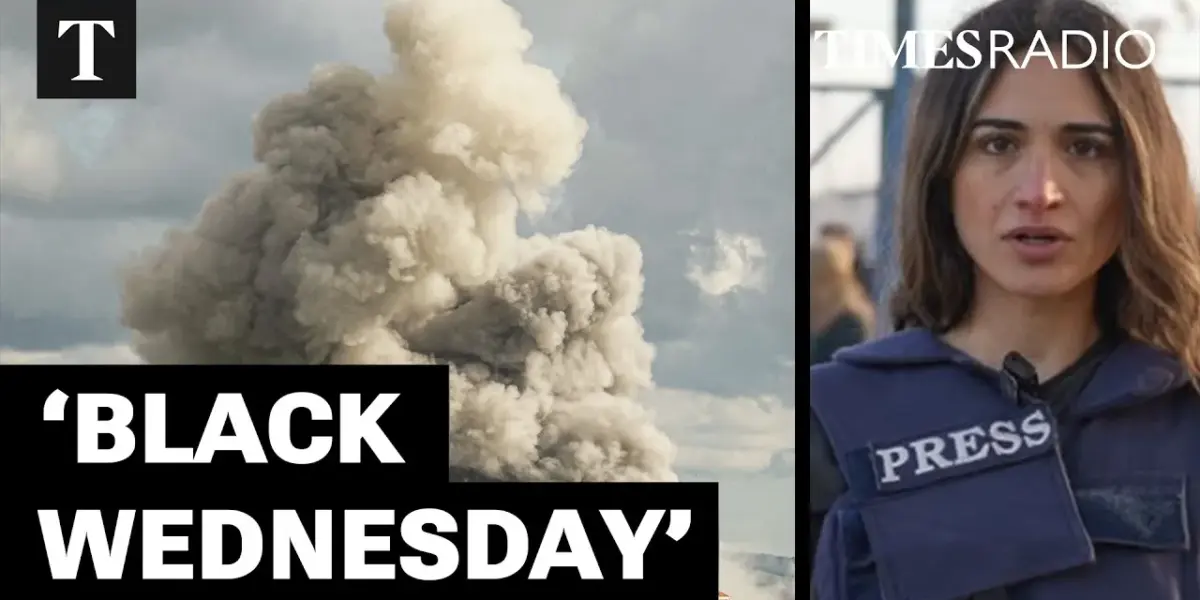
Beirut Reels From Devastating Attacks Amidst Fragile Peace Talks
Beirut, Lebanon – The Lebanese capital is reeling from a series of devastating attacks that have left the city in shock and grief, even as the nation prepares for unprecedented direct talks with Israel. The violence, which saw over 100 bombs dropped on Beirut in just ten minutes, killed more than 350 people, marking the deadliest day in the city in decades. This brutal escalation occurred as Lebanon was set to engage in direct discussions with Israel, a nation it does not officially recognize and remains technically at war with.
‘Massacres At Every Corner’ in Beirut
Nada Atallah, a correspondent for The National based in Beirut, described the scene as one of widespread devastation and disbelief. “It was the deadliest day in Beirut in decades,” Atallah stated, recounting the terrifying moments when explosions rocked the city simultaneously. “We heard lots of explosions in a very short span of time, but we did not grasp the extent of it.” She explained that the synchronized nature of the attacks made it difficult to comprehend the sheer scale of the destruction at first. “It was so widespread, it was hard to understand the extent of it,” Atallah added. “It took us a few days to grasp what happened on an emotional level.” The attacks left what she called “massacres at every corner of the capital.”
Mixed Reactions to Direct Talks
The prospect of direct talks with Israel has been met with mixed feelings across Lebanon. While many citizens yearn for an end to the violence and a ceasefire, expectations remain low given the ongoing conflict. “Everyone wants a ceasefire, but the expectations are still quite low,” Atallah reported. The mood in Beirut and other affected areas remains one of mourning and shock, especially as “we’re still being bombed every day.” The day before the interview, over 100 people were killed in southern Lebanon alone.
Adding to the complexity are internal divisions within Lebanon. A segment of the population, which supports the influential Hezbollah group, has voiced strong opposition to direct talks. For them, engaging in such discussions with Israel is still considered a taboo, given Lebanon’s official stance of non-recognition and its technical state of war. Protests against the talks have been visible in Beirut, with participants carrying Hezbollah and Iranian flags.
Lebanon’s Stance: Ceasefire First
Lebanon has consistently stated its demand for Israel to halt its attacks before any talks can proceed. The idea of holding direct negotiations while the country is still under bombardment is seen by many as a sign of weakness. “The fact that the country is still being bombed and they’re still in ground invasion while holding direct talks with Israel is not seen as a sign of weakness from Lebanon from like from part of the population,” Atallah explained.
Further complicating the situation are recent Israeli attacks on Lebanese state institutions. Atallah highlighted an incident where Israeli forces targeted the office of state security members in southern Lebanon, killing 14 individuals. “This is not Hezbollah. This is a direct attack. It appears to be a direct attack on state institutions,” she emphasized. This act raises serious questions about the messages being sent as Lebanon prepares for direct talks.
War Fatigue and International Pressure
A pervasive sense of “war fatigue” and exhaustion is palpable across Lebanon. After enduring relentless attacks and significant loss of life, people are desperate for the conflict to end. However, the Lebanese state finds itself in a difficult position, lacking significant leverage in the international arena. The government is under immense pressure from the international community to disarm Hezbollah, a task that cannot be accomplished quickly or easily.
Looking Ahead
As Lebanon navigates this precarious period, the coming days will be crucial. The success or failure of the direct talks, contingent on a de-escalation of violence and potentially a ceasefire, will significantly shape the future of the region. The world will be watching to see if Lebanon can achieve peace under such challenging circumstances and whether the international community’s pressure leads to a sustainable resolution.
Source: Beirut In Shock After ‘Massacres At Every Corner’ | Nada Atallah (YouTube)

Related Articles

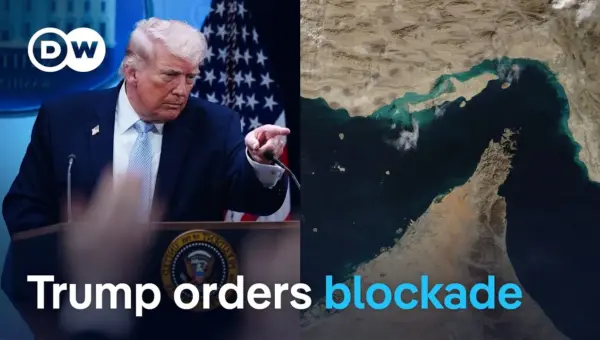
US Blockades Hormuz Strait After Iran Talks Collapse
The U.S. has imposed a naval blockade on the Strait of Hormuz following failed peace talks with Iran in Pakistan. Despite mediation efforts, key disagreements over Iran's nuclear program and mutual trust prevented a deal. The move escalates regional tensions, with Pakistan urging continued dialogue.

US-Iran Peace Talks Collapse Over Nuclear Standoff
High-level peace talks between the United States and Iran have failed to secure an agreement, primarily due to Iran's refusal to commit to abandoning nuclear weapons. Vice President J.D. Vance called the discussions substantive but ultimately unsuccessful, stating the U.S. presented a final offer. Following the collapse, President Trump announced an immediate U.S. Navy blockade of the Strait of Hormuz.

Israel Eyes Lebanon Peace Deal Amid Hezbollah Clashes
Israel is pursuing peace talks with Lebanon while continuing military operations against Hezbollah. An Israeli official expressed hope for a deal, emphasizing the need to dismantle Hezbollah and ensure border security. This dual approach aims to reshape regional stability.