Batman: Red Hood’s Roaring Return
Explore the gripping 2010 animated film, Batman: Under the Red Hood. This article breaks down its comic inspirations, stellar voice cast, emotional depth, and the tragic return of Jason Todd.

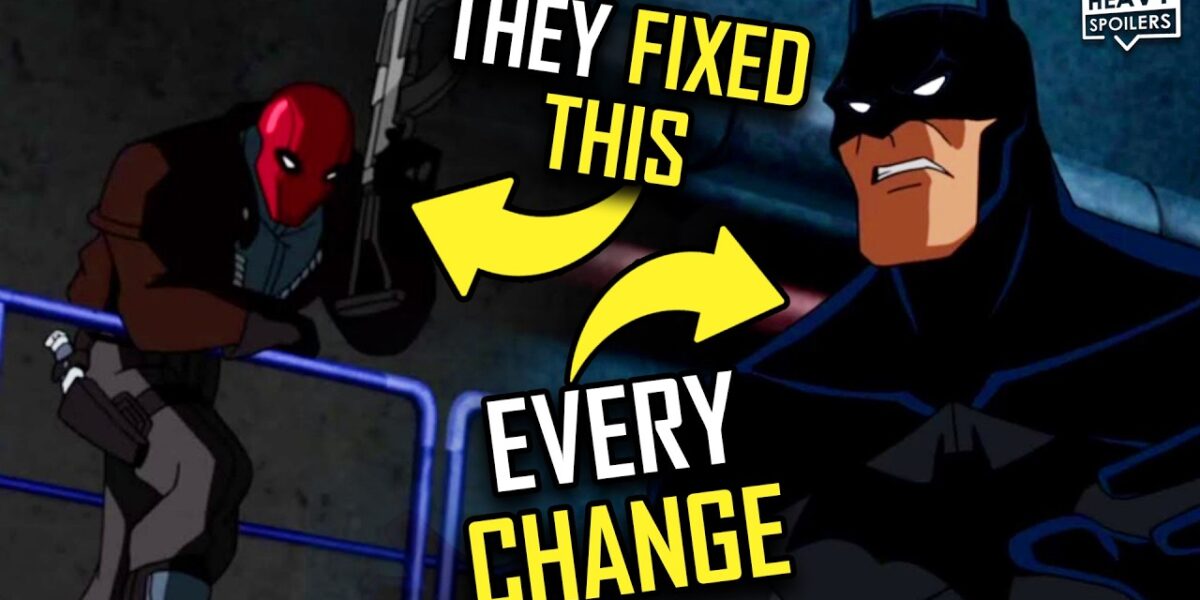
Batman: Under the Red Hood – A Dark Knight’s Reckoning
In the pantheon of DC animated films, Batman: Under the Red Hood stands as a monumental achievement, a gripping adaptation that delves into one of the most pivotal and emotionally charged arcs in Batman’s storied history. Released on July 27, 2010, this film wasn’t just another animated caper; it was a profound exploration of loss, vengeance, and the enduring legacy of the Caped Crusader. Helmed by animation veteran Brandon Vietti, who previously directed the acclaimed Superman: Doomsday, and produced by the legendary Bruce Timm, the architect of Batman: The Animated Series, the film brought a gritty, mature sensibility to the screen that resonated deeply with fans.
A Story Forged in Tragedy and Reader Fury
The narrative backbone of Under the Red Hood is penned by Judd Winick, the very scribe who penned the groundbreaking 2005 comic book storyline that spanned issues #635 to #650 of the main Batman title. Winick, inspired by the raw emotional intensity of Christopher Nolan’s The Dark Knight, saw the potential for his complex narrative to be translated into an equally impactful cinematic experience. This adaptation marked the first significant return of Jason Todd, Batman’s second Robin, in 17 years, a character whose fate was decided not by a writer’s pen, but by the fickle finger of fate guided by comic book readers.
The infamous 1988 Death in the Family storyline, spanning issues #426-429, saw Jason Todd brutally murdered by the Joker. In a revolutionary, and some might say cruel, move, writer Jim Starlin and penciller Jim Aparo put Jason’s fate to a public vote. Fans could call a 1-900 number to decide whether the young Robin would live or die. With a razor-thin margin of 5,343 votes for death versus 5,271 for life, the readers sealed Jason’s grim end. It’s a piece of comic book history that underscores the profound impact this story has had, and Under the Red Hood masterfully revisits this trauma, exploring its devastating consequences.
A Visually Striking Gotham and Stellar Voice Cast
Vietti’s direction imbues Gotham City with a palpable sense of decay and darkness, drawing heavily from Timm’s iconic visual style. The film boasts an impressive voice cast that brings these beloved characters to life. Bruce Greenwood, fresh off his role as Captain Pike in 2009’s Star Trek, lends his commanding voice to Batman. The Joker is brought to menacing life by the incomparable voice acting prowess of John DiMaggio, known for his iconic roles as Bender in Futurama and Jake the Dog in Adventure Time. DiMaggio reportedly stepped in to replace Powers Boothe, adding another layer of legendary talent to the production.
The role of the vengeful Red Hood is voiced by Jensen Ackles, a fan favorite for his long-running role on Supernatural, who also drove a classic 1967 Chevy Impala in that series, mirroring the Red Hood’s own iconic vehicle. Vincent Martella, beloved as Phineas from Phineas and Ferb, voices the younger Jason Todd, while his real-life brother, Alexander Martella, voices an even younger iteration. Neil Patrick Harris, who previously voiced Spider-Man in Vietti’s 2003 Spider-Man animated series, steps into the role of Nightwing, bringing his signature energy to the former Robin.
Adapting the Legend: Changes and Triumphs
While the film remains remarkably faithful to Winick’s comic storyline, several key changes were made for narrative and thematic impact. The film opens with a stark reimagining of Jason Todd’s brutal beating by the Joker, a scene that, while toned down from the comic’s explicit violence, still carries immense emotional weight. The setting of this pivotal moment is shifted from Ethiopia in the comic to Bosnia in the film. Furthermore, the Robin costume worn by Jason in this flashback is actually the design originally belonging to Tim Drake, Batman’s third Robin, adding a subtle visual nod to the continuity of the Bat-family.
The introduction of Amazo, the formidable android capable of duplicating superpowers, serves as an early test for Batman and Nightwing. This sequence, while drawing from the comics, streamlines the narrative, presenting Amazo as a direct challenge rather than a plot point encountered later. The film’s depiction of Amazo, including the subtle ‘A’ logo on his waist, pays homage to various comic iterations of the character.
The Heart of the Story: Identity and Vengeance
The central mystery of the film revolves around the identity of the Red Hood. Batman, aided by Nightwing, slowly pieces together clues. The discovery of Red Hood’s blood, matching Jason Todd’s DNA, is a gut-wrenching revelation. This confirmation, coupled with the Red Hood’s use of Batman’s first name, seals the tragic truth: Jason Todd is alive, transformed by his trauma into a vigilante operating outside the law, driven by a burning desire for vengeance against the Joker and a warped sense of justice.
The film masterfully portrays the complex relationship between Batman and Jason. Batman’s internal struggle, his guilt over Jason’s death, and his fear of losing another son are palpable. The subtle shift in his demeanor towards Nightwing, a newfound gratitude and protectiveness, speaks volumes about his enduring pain. The flashback sequences, particularly the one involving a younger Jason foiling a heist with Batman, serve as poignant reminders of the bond they once shared, a stark contrast to the current grim reality.
A PG-13 Compromise for Maximum Impact
It’s worth noting that Batman: Under the Red Hood was originally intended to be rated R to fully capture the visceral brutality of Winick’s comic. However, Warner Bros., wary of the box office performance of previous animated features like Wonder Woman and Watchmen, opted for a PG-13 rating to broaden its appeal. This decision led to some toning down of the violence and adult themes, a compromise that, while understandable, slightly softens the raw edges of the source material. Despite these adjustments, the film’s emotional core remains intact, delivering a powerful and unforgettable story.
Legacy and Critical Acclaim
Upon its release, Batman: Under the Red Hood was met with widespread critical acclaim and commercial success, grossing over $12 million in home video sales. It is consistently ranked among the best DC animated films, praised for its compelling narrative, stellar voice acting, and mature handling of complex themes. Director Brandon Vietti would go on to helm other significant DC animated projects, including Death in the Family (2020) and the 2024 Watchmen animated films, further cementing his reputation as a master storyteller in the genre.
Batman: Under the Red Hood is more than just an animated movie; it’s a definitive adaptation that respects its source material while carving out its own identity. It’s a testament to the enduring power of the Batman mythos and a must-watch for any fan of comic book storytelling, offering a profound look at the darkness that lies beneath the cowl and the ghosts that haunt the Batcave.
Source: BATMAN Under The Red Hood (2010) Breakdown | Comic Easter Eggs, Hidden Details And Ending Explained (YouTube)

Related Articles

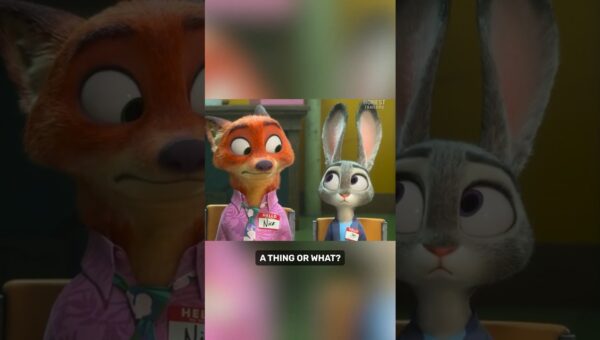
Zootopia 2: What We Know About the Sequel
Disney has officially confirmed a sequel to the beloved 2016 animated hit, Zootopia. Titled Zootopia 2, the film is slated for a November 26, 2025 release, with anticipation high for the return of Judy Hopps and Nick Wilde.

Zootopia 2: Is Disney’s Animated Sequel Worth the Wait?
Disney's beloved animated hit 'Zootopia' is officially getting a sequel! After years of anticipation, 'Zootopia 2' is confirmed to be in development, promising a return to the vibrant metropolis and the iconic duo of Judy Hopps and Nick Wilde. The sequel aims to recapture the magic of the original, which captivated audiences with its humor and timely social commentary.

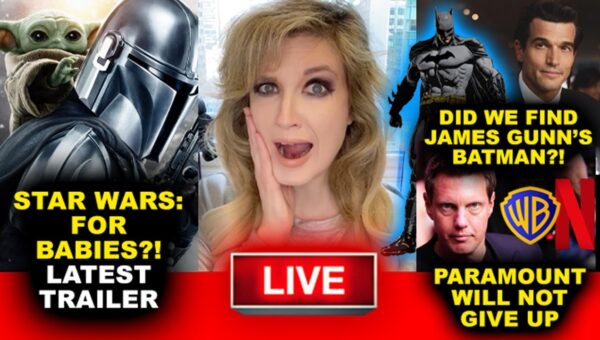
New Batman Candidate Emerges for Gunn’s DCU
In a recent live stream, entertainment journalist Paul Anthony Kelly discussed the latest in Hollywood, revealing a surprising new contender for James Gunn's DCU Batman role: model Paul Anthony Kelly. The article also touches on the subdued 'Mandalorian & Grogu' trailer and the broader industry shifts.