Baroness Warsi Slams ‘Fast and Loose’ Approach to National Security
Baroness Sayeeda Warsi has sharply criticized the UK's approach to national security, warning against a "fast and loose" handling of national interest. Speaking from Qatar amidst regional conflict, she emphasized the importance of international law and questioned the justification for potential British military involvement in foreign wars.

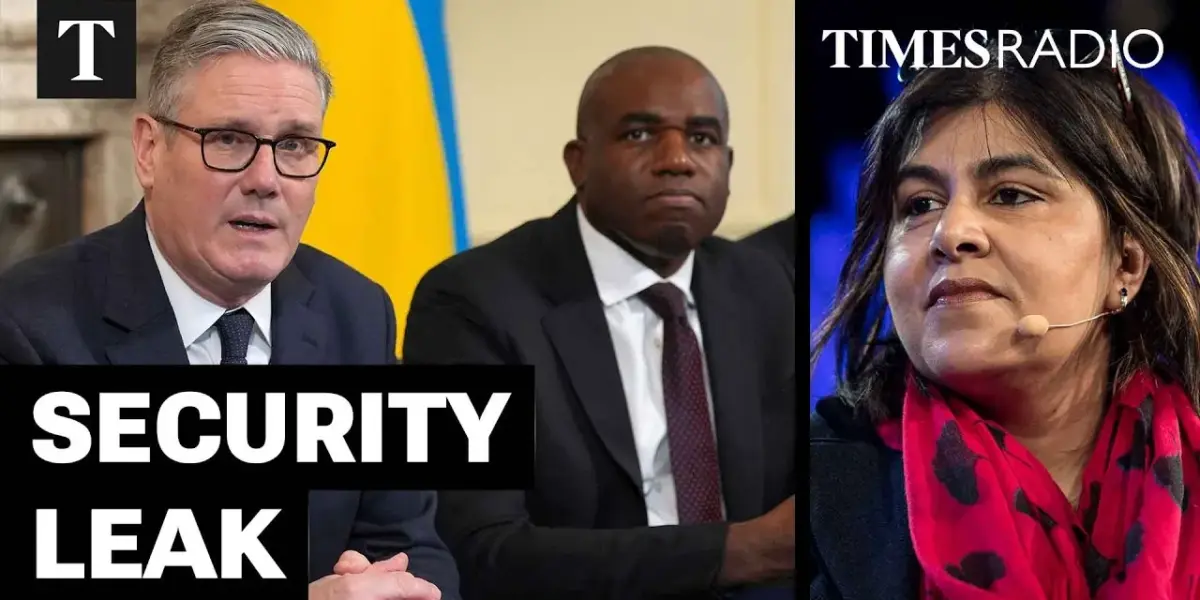
Warsi Criticizes Handling of National Interest and Security
Baroness Sayeeda Warsi, a former senior minister in David Cameron’s government, has voiced strong criticism regarding what she perceives as a “fast and loose” approach to national security and national interest within the UK. Speaking from Doha, Qatar, where she is visiting family amidst escalating regional tensions, Warsi highlighted concerns over the handling of sensitive geopolitical matters and the erosion of core principles governing international relations.
Personal Experience Amidst Regional Conflict
Warsi described the unnerving experience of being in Qatar during the ongoing conflict, detailing the sounds of intercepted missiles and the accompanying emergency alerts on mobile phones. She recounted how the shaking of buildings and rattling windows are now a part of daily life, creating a surreal atmosphere where normal routines are punctuated by the reality of being in a war zone. Despite the palpable threat, Warsi noted the resilience of the local population and her own efforts to maintain a semblance of normalcy for her grandchildren, including online schooling and family activities.
“It’s of course unnerving because the sound of the thud and the sound of of missiles coming in even when they’re being intercepted occasionally it feels like something has landed… you’ll feel the windows rattling… that is usually combined with various alerts on our phone about what we need to be doing how we need to take cover.”
She emphasized the importance of family support during such times, stating that being with her grandchildren provided a sense of stability compared to being thousands of miles away.
Questioning Britain’s Role and International Law
A significant portion of Warsi’s commentary focused on the legal and ethical dimensions of potential British military involvement in the ongoing conflict. She firmly stated that the current war was “neither necessary nor was it preemptive nor is it legal and nor should we be getting involved.” Warsi invoked the UN Charter, arguing against invading other countries for regime change or based on disapproval of internal policies. She stressed that preemptive strikes, if ever justifiable, require a specific legal process that has not been followed, leading to a dangerous world where “might is right.”
Warsi expressed relief that the UK currently has a Labour Prime Minister, suggesting that certain “nonsense and rhetoric” from other quarters, particularly those pushing for more aggressive involvement, are not dictating the country’s course. She believes the UK’s current stance of providing defensive support while clearly stating it is not its war is the correct approach.
Concerns Over Leaks and Political Discourse
The conversation also touched upon a leaked National Security Council meeting, which reportedly revealed a more interventionist stance from Labour leader Keir Starmer than previously understood. Warsi strongly condemned any leaks from such high-level meetings, calling them detrimental to the decision-making process and stating that those who leak “do not deserve to be in government.” She drew parallels to her own time in government, where leaks were investigated and consequences followed.
“Anybody who leaks from the National Security Council, Aisha, does not deserve to be in government. I take these issues incredibly seriously,” Warsi stated. She reiterated her belief that the country has “lost what it means to be patriotic” and has strayed from prioritizing national interest and legality.
Patriotism and National Interest Redefined
Warsi articulated a vision of patriotism centered on putting the nation’s interests and adherence to law at the forefront. She questioned the idea of British armed forces being “embroiled in Israel’s expansionist agenda or to become cannon fodder for an illegal war by the United States.” Her perspective is rooted in a deep respect for the armed forces, whose service she believes is dedicated to defending Britain, not engaging in foreign conflicts without clear legal justification or public mandate.
Addressing listener questions, Warsi distinguished the current situation from past interventions like Kosovo, emphasizing the importance of international law and the UN Charter. She also commented on the Iran nuclear deal negotiations, suggesting that Israel’s actions were motivated by a breakthrough in talks, not a failure, providing them with what she described as their “last moment” to act on long-held objectives.
Looking Ahead: Caution and Public Will
Warsi concluded by urging caution against “mission creep” and warned against committing British lives to conflicts that lack legal justification or public support. She stressed that any decision to engage in offensive strikes would require parliamentary debate and a vote, which she believes would fail given the current sentiment among both parliamentarians and the British public. Her call is for a return to a serious, legally grounded, and nationally focused approach to foreign policy and security.
Source: ‘We’ve Lost What It Means To Be Patriotic’ | Baroness Warsi (YouTube)

Related Articles


Minnesota AG Keith Ellison Fears for Nation After DHS Leadership Shake-up
Minnesota Attorney General Keith Ellison expresses grave concerns over the appointment of Mark Wayne Mullen to a key DHS role, citing loyalty over experience. He details the profound fear and trauma inflicted upon Minnesota communities by recent events, while vowing continued pursuit of justice and accountability.


Iran Ultimatum: President Demands Unconditional Surrender
The President has issued an ultimatum demanding Iran's unconditional surrender as Israel opens a new front in Lebanon. The conflict triggers a historic spike in oil prices, impacting global markets and gasoline costs. Meanwhile, U.S. investigators are examining the likelihood of American forces striking a girls' school in Tehran.
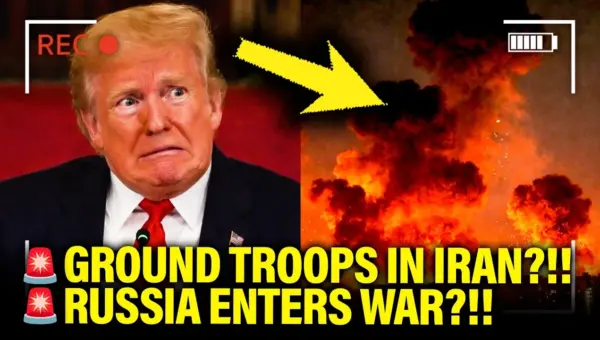
Russia Aids Iran: Trump Dismisses War Crisis
Reports indicate Russia is aiding Iran in targeting US interests, yet the Trump administration appears to dismiss the severity of the situation. This analysis delves into the alleged intelligence sharing, the administration's response, and the broader geopolitical implications.