Baron Trump Meme Campaign Sparks War Debate Amid Iran Tensions
A social media campaign urging the deployment of Baron Trump to a potential conflict with Iran has emerged, highlighting public dissent against military intervention. Meanwhile, rising oil prices and U.S. dissatisfaction with Israeli strikes on Iranian infrastructure underscore the complex geopolitical and economic factors at play. Experts suggest that diplomatic progress on Ukraine remains contingent on the resolution of Middle Eastern hostilities.

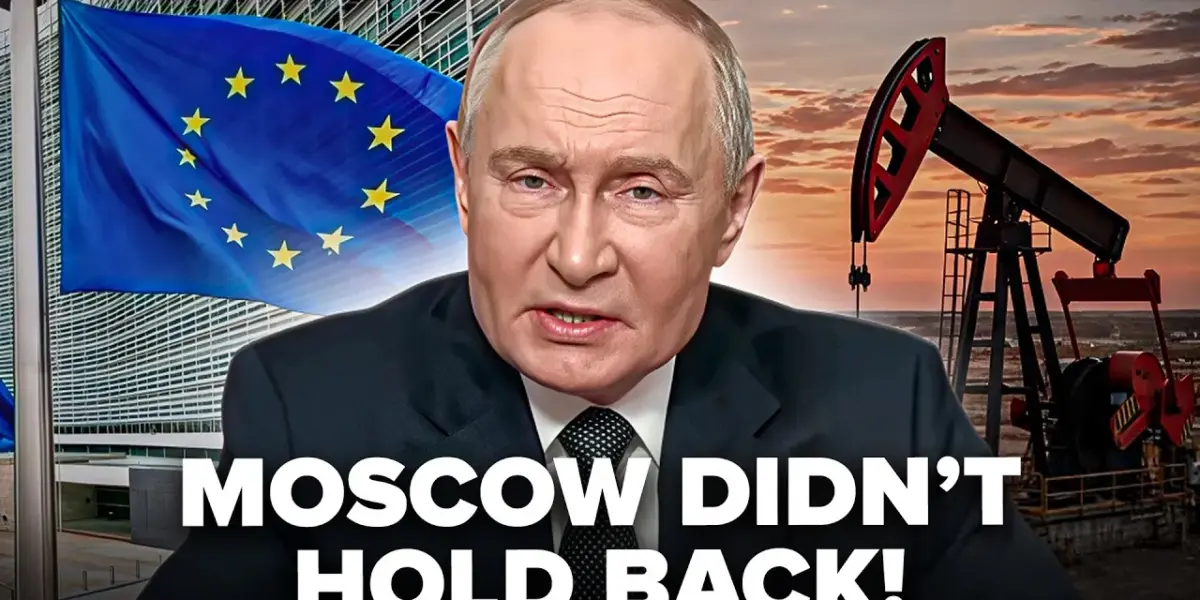
Baron Trump Thrust into War Debate Amid Iran Tensions
Calls have emerged in the United States to send 19-year-old Baron Trump, son of former President Donald Trump, to war against Iran, fueled by a social media campaign. This development comes amid rising tensions in the Middle East and discussions of a potential prolonged military operation against Iran. Opponents of such military action are utilizing memes and AI-generated images of Baron in military uniform, with messages like “Send your son to the front to understand the price of war.” This campaign, while potentially seen as trolling, highlights a growing frustration among those who oppose military intervention and seek to underscore the personal cost of war.
Public Opinion and Declining Support for Military Action
According to experts, the idea of a full-fledged military operation in Iran, including ground troops, does not currently have broad support among the American population. Public sentiment is reportedly declining, especially after an alleged Tomahawk missile strike on an Iranian school resulted in numerous casualties. This lack of support is seen as damaging to Donald Trump’s image and ratings, as well as those of the Republican party. The campaign targeting Baron Trump is interpreted as an attempt to highlight the perceived disconnect between political decisions and the individuals who would bear the brunt of such conflicts.
US Dissatisfaction with Israeli Strikes on Iranian Infrastructure
Reports indicate that the United States is dissatisfied with the scale of recent Israeli strikes on Iranian fuel infrastructure. While Washington was reportedly aware of planned attacks, the extent of the strikes, which targeted 30 fuel storage facilities, exceeded expectations. The expert suggests that these actions are largely driven by internal U.S. politics, particularly Donald Trump’s electoral considerations. Rising oil prices, which have reached highs not seen since the full-scale invasion of Ukraine, are a significant concern. The expert posits that while Israel’s targeting of Iran’s oil industry is militarily logical as it supports the regime’s complex, for the U.S. White House, such actions undermine Trump’s promises of stable or lower energy prices, thereby impacting his electoral prospects.
Europe’s Energy Dilemma and Russian Influence
Concerns are rising in Europe that a prolonged closure of the Persian Gulf could force a reconsideration of the bloc’s stance on energy cooperation with Russia. The Wall Street Journal reports that Europe might resume large-scale purchases of Russian gas and oil, a move that would significantly impact Ukraine. Russian President Putin has already hinted at seizing economic contracts with European states, aiming to pressure European leaders into lifting sanctions. Experts outline two potential paths for Europe: either yield to Russian demands for cheaper energy at a higher geopolitical cost, risking further Russian provocations, or seek alternative energy sources. Options include increased cooperation with Japan, Norway, Gulf states, OPEC countries, and even the United States, which has expressed willingness to re-establish liquefied natural gas contracts.
Strategic Risks of Easing Sanctions on Russia
The possibility of the U.S. partially easing sanctions on Russian oil to stabilize global markets amid the Iran conflict is being considered. However, experts warn that such a policy could create long-term strategic risks. Lifting sanctions on oil could embolden pro-Russian lobbyists to push for the removal of all sanctions, potentially allowing Russia to regain leverage in negotiations and on the global stage. This could lead to further geopolitical crises and undermine efforts to counter Russian aggression.
Trump’s Shifting Stance on Iran’s Leadership
Reports suggest Donald Trump is satisfied with the appointment of Mojtaba Khamenei, son of Ali Khamenei, as Iran’s new supreme leader, a stance that appears to contradict his earlier opposition to such a succession. This shift is viewed as a consequence of Trump’s previous actions, which involved targeting and destroying Iran’s leadership and power infrastructure. The expert notes that the regime is now presenting a united front to preserve Iran as a nation, using Trump’s rhetoric as propaganda material. The comparison between Trump’s approach to the conflict and Putin’s rhetoric regarding the invasion of Ukraine is also highlighted, with experts differentiating between Putin’s propaganda-driven use of terms like “special military operation” and Trump’s potential legalistic reasons for avoiding the word “war” to circumvent U.S. congressional limitations on presidential powers.
US-Israel Tensions and Unilateral Actions
The cancellation of a visit to Israel by U.S. officials, including Jared Kushner and Steve Bannon, may signal lingering tensions and disagreements between the two nations. Israel appears to be pursuing its own agenda, including strikes on Iranian oil refineries and potential operations against Hezbollah, with less than full agreement from the United States. While the U.S. views Israel as a crucial ally, it also recognizes Israel’s independent foreign policy and pursuit of its national interests, sometimes disregarding U.S. political limitations.
Uncertainty Surrounding the Endgame in Iran
The conditions for ending the military campaign against Iran remain unclear, with evolving justifications for the operation. Initial stated goals focused on degrading Iran’s military capabilities, but later suggestions included regime change and new diplomatic deals. The lack of a clear, strategic endgame is seen as a weakness, with potential scenarios ranging from proclaiming victory to demanding unconditional surrender. This ambiguity suggests a lack of a cohesive strategic approach from the Trump administration.
Ukraine Negotiations Hinge on Middle East Stability
The prospect of new negotiations regarding Ukraine appears dim in the immediate future. Experts believe that substantive diplomatic talks on Russian aggression cannot occur until hostilities in the Middle East conclude. The U.S. is seen as unable to engage on a diplomatic front for Ukraine while simultaneously managing the Iran conflict. Furthermore, contradictory statements from Donald Trump regarding Russia’s readiness for negotiations suggest internal disarray within his team and a downplaying of Russian support for Iran. Until the situation in the Middle East stabilizes, diplomatic progress on Ukraine is unlikely.
Source: 😱Putin’s bold challenge! Chaos in Iran. Kremlin waiting for Trump’s next move (YouTube)

Related Articles
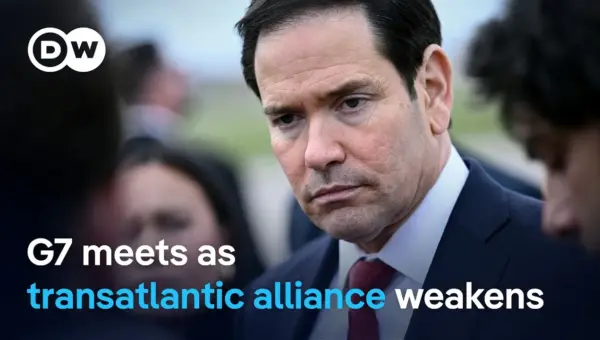
G7 Allies Clash Over Iran War Strategy, Urge Focus on Russia
G7 foreign ministers met in Paris, revealing deep divisions over the U.S. war with Iran. European allies urged the U.S. to pressure Russia, linking its actions to the conflict and fearing support for Ukraine will wane.

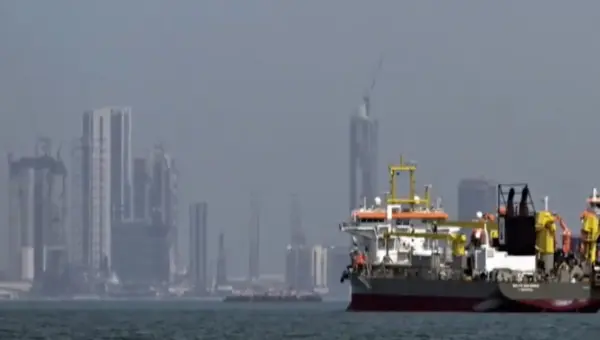
Iran Blocks China Ships, Exposing Beijing’s Weak Grip
Iran's recent decision to block Chinese ships at the Strait of Hormuz is exposing the limits of Beijing's influence in the Middle East. This action is causing delays and cancellations for Chinese manufacturers, turning a perceived geopolitical win into an economic strain.
Trump’s “Walk Away” Tactic Signals Tougher Stance on China
Retired Air Force Brigadier General David Stillwell believes President Trump's strategy of being willing to walk away from negotiations puts pressure on China. This tactic, combined with US global actions and strengthened alliances, signals a more assertive American foreign policy.