Bannon’s ICE Poll Plan: A Threat to Fair Elections?
Steve Bannon's suggestion to use ICE agents as a "test run" at airports for potential deployment at polling places sparks fears of voter intimidation and suppression. Critics view this as a strategic move by the Trump campaign to influence election outcomes, rooted in unsubstantiated claims of widespread fraud.

Bannon’s ICE Poll Plan: A Threat to Fair Elections?
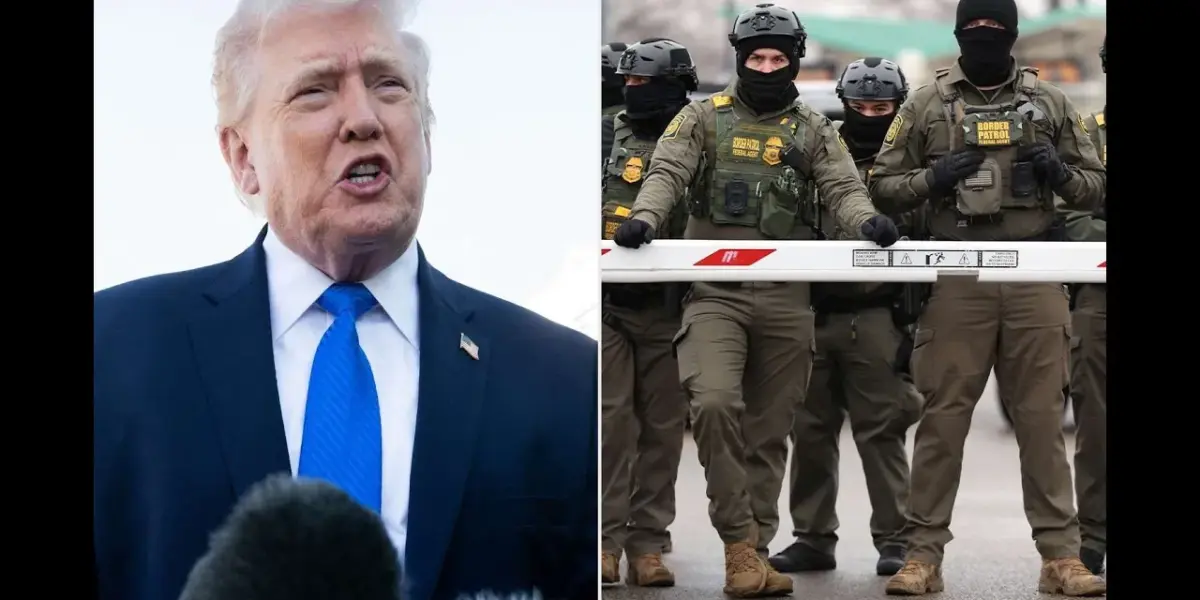
A startling statement from Steve Bannon, a key figure in Donald Trump’s political circle, has raised serious concerns about the integrity of future elections. Bannon suggested using Immigration and Customs Enforcement (ICE) agents as a “test run” at airports to prepare for their potential deployment at polling places nationwide in 2026. This idea, presented as a way to prevent “illegal aliens” from voting, has been called a “five-alarm fire for democracy” by critics.
Why ICE at the Polls?
Bannon’s argument is that ICE agents at polling stations would ensure only eligible citizens cast ballots. He stated, “if you’re an illegal alien, you can’t vote, right? It’s it’s against the law. It’s a federal crime for you to vote in federal elections.” He believes American citizens should welcome ICE’s presence to stop non-citizens from “canceling out” their votes.
However, the idea has been met with strong opposition. Critics argue that deploying ICE agents could be used to intimidate voters and create barriers to voting, particularly in areas with large Democratic constituencies. The concern is that these agents might scrutinize IDs excessively, causing delays and discouraging people from voting. This tactic, they suggest, is a form of voter suppression. The analogy is drawn to Donald Trump’s past promotion of false claims about Barack Obama’s birth certificate, suggesting a pattern of using unfounded accusations to justify actions.
A “Test Run” for Voter Suppression?
The current deployment of ICE agents at airports is being framed by Bannon and his supporters not as a standalone event, but as a preparatory step. This “test run,” they say, is to “perfect” the process for election day. The explanation given is that they are observing “lines” and “line control.” Critics, however, see this as a strategy to learn how to slow down voting in specific areas, effectively suppressing votes in places where Trump’s campaign might face challenges.
The Democratic National Committee (DNC) has already filed lawsuits seeking documents that might reveal plans to deploy ICE agents to the polls. Bannon’s public statements, given his close ties to Donald Trump, are seen as a direct window into the Trump campaign’s potential strategies. This is not the first time Bannon has spoken about this. In February, he stated, “You’re damn right. We’re going to have ICE surround the polls come November. We’re not going to sit here and allow you to steal the country again.” This suggests a long-standing intention behind the current actions.
Historical Context and Unproven Claims
Bannon’s push for ICE at the polls is rooted in the persistent, yet unsubstantiated, claims that the 2020 election was stolen, particularly by undocumented immigrants. While the premise of widespread voter fraud by non-citizens has been widely debunked and disproven, it continues to be a rallying cry for certain political factions. Critics point out that even if the premise is false, the proposed actions – like deploying ICE – should be taken seriously.
The argument is that while the claim of a stolen election might be untrue, the intention to deploy ICE agents at polling places, as Bannon suggests, could still be a real plan. This disconnect between a false premise and a potentially real action is what worries many observers. They feel that the mainstream media sometimes dismisses Bannon’s statements because the underlying premise is false, failing to recognize the potential for the proposed actions to still occur.
Pushback and Legal Challenges
Legal experts and voting rights advocates emphasize the importance of fighting such initiatives at every step. They argue that allowing these actions to proceed without challenge allows the Trump campaign to develop and normalize tactics for future elections. Examples cited include the seizure of ballots in Fulton County, Georgia, and Maricopa County, Arizona, as well as ballot seizures in Riverside County, California, and the deployment of the National Guard in Los Angeles. These are viewed as “test runs” to create options and tools for future use.
The strategy is clear: if there is no pushback, the Trump administration learns that these actions can be taken without significant consequence. Conversely, when governors, attorneys general, or courts push back and block these actions, it forces a change in direction and highlights the potential costs. Mark Elias, a prominent voting rights lawyer, emphasizes that his law firm is involved in numerous cases across many states precisely to prevent such momentum from building. He encourages Democratic governors, attorneys general, and secretaries of state to fight these deployments, as any resistance forces the administration to reconsider its approach.
Why This Matters
The core issue is the potential for voter intimidation and suppression. Deploying federal agents like ICE at polling places, even if framed as ensuring election integrity, carries a significant risk of chilling legitimate voter turnout. This is especially true for minority communities, who have historically faced targeted voter suppression efforts. The fear is that such a deployment would not be about preventing illegal voting but about making it harder for eligible citizens to cast their ballots, thereby influencing election outcomes through undemocratic means.
Implications, Trends, and Future Outlook
This development signals a concerning trend of questioning election integrity and exploring aggressive measures to assert control over the voting process. If successful, or even if merely attempted and not effectively countered, such tactics could become normalized. The future outlook depends heavily on the vigilance and proactive legal and political opposition from those committed to protecting free and fair elections. The ongoing legal battles and public awareness campaigns are crucial in deterring these potential tactics and reinforcing democratic norms.
The conversation also highlights a divide in how such statements are perceived. For some, Bannon’s words are dismissed as mere bluster. For others, they are seen as a serious indication of intent, especially given past patterns of behavior and rhetoric from Donald Trump and his allies. The challenge lies in ensuring that potential threats to democratic processes are taken seriously and addressed proactively, rather than reacting only after significant damage has been done.
“This is a five-alarm fire for democracy and free and fair elections. Donald Trump and Steve Bannon and the MAGA supporters, they are still throwing gasoline and lighting more matches to create more damage.”
The call to action from advocates like Mark Elias is clear: fight every attempt to undermine elections, build a strong pro-democracy media, and stay informed. The upcoming elections will be a critical test of these efforts, requiring constant vigilance and robust defense of voting rights.
Source: Trump team confession STUNS THE COUNTRY ahead of election (YouTube)

Related Articles
House Rejects Senate Bill, Citing Border Security Funding Gaps
House Republicans are rejecting a Senate funding bill, arguing it lacks essential appropriations for ICE and CBP, threatening anti-trafficking efforts and border security. They plan to pass a short-term measure to force renewed negotiations.

Voter ID: Common Sense or Suppression?
A growing debate surrounds voter ID laws, with proponents calling them a common-sense measure against fraud and opponents fearing voter suppression. Many countries and U.S. states already require ID to vote.

Election Battles Erupt: Citizens Fight Back Against Gerrymandering
Citizens are fighting back against what they see as unfair election practices and gerrymandering. In Missouri, a grassroots movement is using a citizen initiative process to challenge new district maps and ensure voters have the final say. This struggle for fair representation highlights a growing trend of civic engagement.