Baltic States Bolster Defenses, Sending Clear Message to Russia
The Baltic states are rapidly enhancing their defense capabilities, leading NATO's efforts to deter potential Russian aggression. With allied troops present and a clear commitment to mutual defense, the region sends a strong message that any attack would result in immediate and significant conflict.

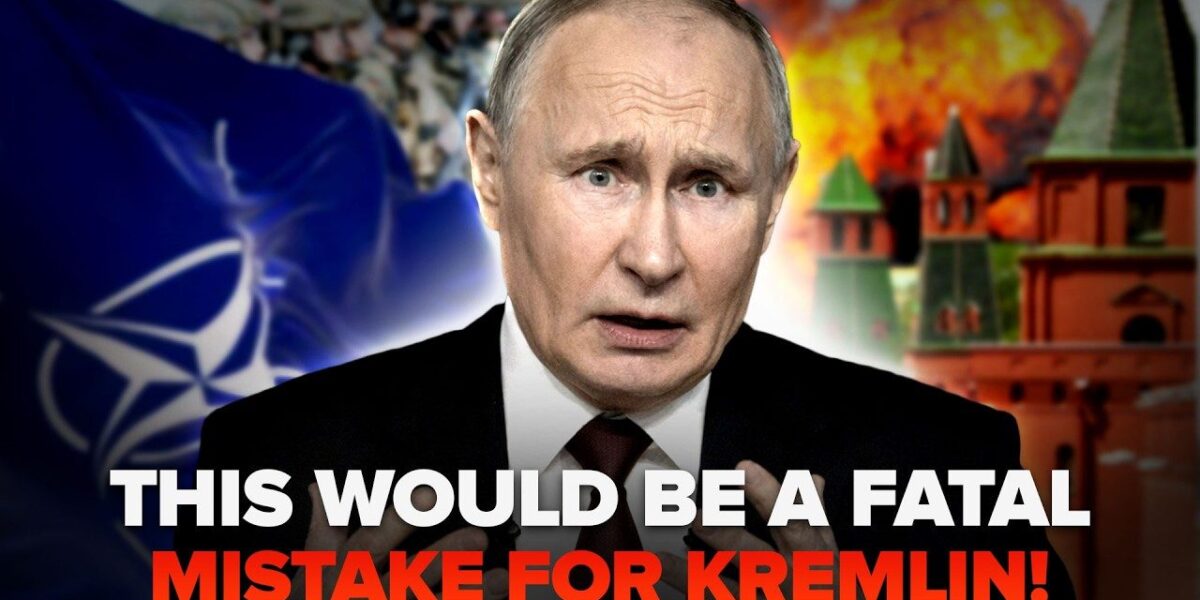
Baltic Nations Lead NATO’s Force Buildup Amidst Growing Tensions
In a significant display of resolve, the Nordic and Baltic countries are spearheading NATO’s defense buildup, demonstrating a heightened sense of urgency and commitment to collective security. This proactive stance is designed to send an unequivocal message to Russia that any aggression in this strategically vital corner of Europe would be met with a swift and formidable response.
Experts, including former General Kali, suggest that if European nations fully implement NATO’s force enhancement decisions, current warnings to adversaries will hold substantial weight. The key question remains the speed at which these capabilities can be realized. However, the Baltic states, notably Estonia, are outpacing their allies in both financial investment and readiness, positioning themselves as front-line defenders against potential threats.
This heightened preparedness is not merely a theoretical exercise. As Estonian President Alar Karis highlighted, the presence of French and British troops stationed in Tapa, just 100 kilometers from the Russian border, serves as a tangible deterrent. “Clear messaging to Russia that it’s not worth a try,” President Karis stated, emphasizing the unified front presented by NATO allies.
NATO’s ‘One for All, All for One’ Doctrine Put to the Test
President Karis addressed concerns about NATO’s cohesion, affirming the alliance’s commitment to mutual defense. “Do you feel safe in terms of a possible somehow Russian aggressions against your country?” was a direct question posed regarding the alliance’s solidarity.
The President elaborated on Estonia’s unique security posture, explaining that allied troops are stationed with the understanding that Estonia will not wait for lengthy deliberations in Brussels if attacked. “Our allies will be fighting side by side with us,” Karis affirmed, underscoring that this readiness is precisely what deters potential adversaries. “There will be no time for discussions in Brussels because it will already be a foregone conclusion. Everybody knows that in NATO. Everybody knows that also in Brussels.”
While political rhetoric can sometimes diverge, the military preparations are concrete and consistent. President Karis noted the practical measures being taken by generals within NATO and Estonia to deter and, if necessary, defend. This unwavering focus, maintained over several years despite political fluctuations, provides confidence that deterrence is effective.
“Mechanically it has now been built into NATO because of the EFP presence in the Baltic states that this is where we are. I mean practically if Russia attacks there is no way of avoiding a conflict between NATO and Russia and therefore Russia probably will not attack because Russians know this very well as well.”
President Alar Karis
Estonia’s Security Measures and the Challenge of Russian Citizens
Estonia has implemented some of the most stringent measures in Europe concerning Russian citizens, particularly former military personnel. This policy raises questions about the balance between national security and collective responsibility.
President Karis clarified that the concern is not about nationality itself, but about actions. “If you have fought on the Russian side, I think you are a security risk,” he stated. As soldiers return to civilian life, there is an anticipated rise in security challenges across Europe due to the Schengen Area’s free movement.
Estonia, while taking firm measures, maintains an open border crossing for travel between Russia and the Schengen space, unlike some Nordic neighbors who closed their borders earlier. “We are doing what is necessary for our safety and security,” Karis explained, adding that responses must be proportionate to the challenges faced by each nation.
The West’s Enduring Fascination with ‘Great Russia’
The article delves into a persistent Western fascination with Russia’s perceived grandeur, culture, and geopolitical influence, a narrative that sometimes resurfaces regarding China as well.
President Karis suggested that the greater concern lies not with Western perceptions, but with the prevalence of Russian exceptionalism, even among Russian dissidents. “Even those who oppose deeply the Putin regime are very divided. There are those who say Russians are a nation like any other and should fit into international world order abide by the rules. And then there are others who still believe that Russians are something special. This is what we need to really really fight and also to explain to our European friends that even those people who are honored as dissidents in Russia may still be Russian supremacists.”
The enduring soft power of Russian culture, historically promoted through arts and literature, has maintained a strong presence in Europe. This cultural outreach, dating back to the Soviet era, continues to influence European cultural circles, demonstrating a potent form of strategic communication.
Diplomatic Maneuvers and European Solidarity with Ukraine
The discussion touched upon the diplomatic approach of leaders, particularly regarding negotiations with Russia, and the potential pressure on Ukraine to make concessions.
President Karis addressed the tactics employed by leaders like former U.S. President Trump, suggesting that approaches like flattery are tools used to encourage dialogue. “He tries every tool in his toolbox, which he has. One of them is flattery. I mean, he’s trying to kind of make Russians to come behind the tables.”
However, the President stressed the critical importance of unwavering European support for Ukraine, ensuring Kyiv can make its own decisions without feeling coerced. “It is extremely important that the European support for Ukraine remains at that level that Ukraine can make all these decisions for itself without feeling that they had no other choice.” He concluded by emphasizing Europe’s unity and commitment to assisting Ukraine in any way possible.
Looking Ahead: Continued Vigilance and Unified Defense
As tensions persist, the proactive defense measures being undertaken by the Baltic states and their NATO allies signal a strategic shift towards greater deterrence. The coming months will be crucial in observing the pace of force modernization and the continued solidarity within the alliance. The unwavering commitment to collective defense, coupled with pragmatic security measures, aims to ensure that the message to any potential aggressor remains clear and resolute: the cost of conflict would be unacceptably high.
Source: 💥Putin's next target in EU! The Baltics have stunned the Kremlin. An attack will cost Russia dearly (YouTube)

Related Articles

Trump’s Putin Stance: US Strategy and Global Implications
Analysis suggests Donald Trump's approach to the Ukraine war involves pressuring Kyiv, but US involvement is crucial for resolution. China's influence and the 'MAGA' agenda's geopolitical implications are key factors.

Iran’s Regime Under Siege: Attacks Cripple Leadership, Impact Russia
Iran's regime is reportedly facing critical blows from targeted attacks, crippling its leadership and severing a vital military supply line to Russia. This dual pressure is significantly impacting Russia's war efforts in Ukraine, while internal dissent grows within Iran.

Ukraine Strikes Deep: Russia’s ‘Untouchable’ Assets Hit
Ukraine has successfully launched long-range drone attacks deep inside Russia, hitting a crucial chemical plant in Perm and an oil terminal in Krasnodar. These strikes dismantle Russia's perceived geographical safety and target key economic lifelines, impacting its ability to sustain the war effort. The attacks highlight Ukraine's evolving strategy of systematic disruption and innovative use of technology, including high-altitude balloons, to degrade Russian capacity.