Bahamas Disappearance Fuels International Legal Questions
A woman's disappearance in the Bahamas has sparked an international legal investigation. Her husband claims she fell overboard, but her daughter doubts the story. Authorities face challenges proving a crime occurred, with potential charges and jurisdiction issues spanning two countries.

Bahamas Disappearance Fuels International Legal Questions
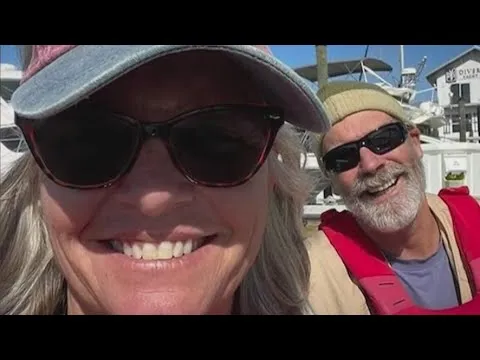
A woman’s vanishing act in the Bahamas has created a complex legal puzzle. Lynette Van was sailing with her husband, Brian, when she reportedly fell overboard. Her husband claims she was swept away by rough currents. However, questions are surfacing, creating a tense international situation.
Husband’s Story Faces Scrutiny
Brian Van states that his wife fell overboard late on a Saturday night. He claims Lynette had the boat’s engine key around her neck. When she went into the water, the engine cut off. This forced him to paddle for hours to reach shore for help. He denies any wrongdoing. However, Bahamian authorities have arrested him. No charges have been filed yet. The couple were experienced sailors, often sharing their adventures online under the name “The Sailing Couple.”
Family Doubts Husband’s Account
Lynette’s daughter, Karli Aylesworth, does not believe her stepfather’s story. She finds it hard to accept that her mother simply fell off the boat. She also questions why he didn’t immediately drop anchor or try to swim after her. Aylesworth mentioned her stepfather is a marine, suggesting he would have the skills to act quickly. She worries his anger might have gotten the best of him during an argument. This could have led to him doing something he cannot undo.
Volatile Relationship Alleged
According to Aylesworth, the couple’s relationship was often rocky. She released a voicemail Brian left after the incident. This message offered few answers to the many questions surrounding her mother’s disappearance. In the voicemail, Brian mentions finding a flotation device that was thrown to his wife when she fell. He noted that search teams could now focus their efforts on a smaller area. Search efforts were ongoing at the time.
Legal Hurdles in the Investigation
David Ehrenberg, a former state attorney for Palm Beach County, Florida, discussed the legal aspects. He explained that in the Bahamas, authorities can hold someone for 48 hours. They can then apply for another 48-hour extension. This period is for gathering enough evidence to decide on charges. Proving a crime occurred in this case is difficult. There were no witnesses, no body, and no cameras. Ehrenberg suggested that evidence like blood on the boat or GPS data could be crucial. If the boat’s GPS shows it was stationary when it should have been moving, it could raise suspicions. He also noted that a murder weapon might be found on board. Authorities likely executed search warrants to find such evidence.
Phone GPS and Boat Details
The possibility of using phone GPS data was also raised. A phone can act as a tracker. Checking if it shows the boat moving or not could be important. There are many unanswered questions. For instance, how did an experienced sailor like Lynette fall off a small boat during a four-day trip? The couple was heading back to their yacht late on a Saturday night. It’s possible they had been drinking or had an argument. Rough water can make even experienced sailors unsteady. A big bump could easily send someone overboard.
Potential Charges and Jurisdiction
Even if the fall was accidental, charges could still be filed. If Brian was drinking and driving carelessly, and his wife fell overboard, he could face criminal charges. The allegation of a volatile relationship, though currently unproven, is significant. Prosecutors will likely investigate this further, especially given the daughter’s claims. The voicemail Brian left is also a key piece of evidence authorities will examine.
International Cooperation in the Probe
Ehrenberg emphasized that police don’t need to prove murder to charge someone. There are multiple avenues for prosecution. The investigation won’t be limited to Bahamian authorities. The U.S. Coast Guard has concurrent jurisdiction. They will likely assist in the investigation. It is possible that Brian could face charges in the United States. This could happen if evidence like blood or a weapon is found. The U.S. may assert jurisdiction because an American was involved with another American on what might be considered an American vessel in maritime waters. This shared jurisdiction means multiple countries could be involved in bringing charges.
Global Impact
This case highlights the complexities of international investigations. It shows how quickly a personal tragedy can become a legal and diplomatic issue. The involvement of multiple jurisdictions, like the Bahamas and the U.S. Coast Guard, means evidence and legal proceedings could span borders. This underscores the need for clear protocols in international maritime law. It also brings attention to the challenges of proving intent and actions when events occur far from shore, with no independent witnesses.
Why This Reshapes the World Order
While this specific case is a criminal investigation, it touches on broader themes. It involves questions of nationality, jurisdiction on the high seas, and cooperation between sovereign nations. As global travel and maritime activities increase, such cases become more common. They test the existing frameworks of international law. The outcome could influence how similar incidents are handled in the future, potentially leading to clearer guidelines for cross-border investigations and legal proceedings in international waters.
Source: Former state attorney raises questions about missing mom in Bahamas | Elizabeth Vargas Reports (YouTube)

Related Articles
Husband Arrested in Missing American’s Bahamas Disappearance
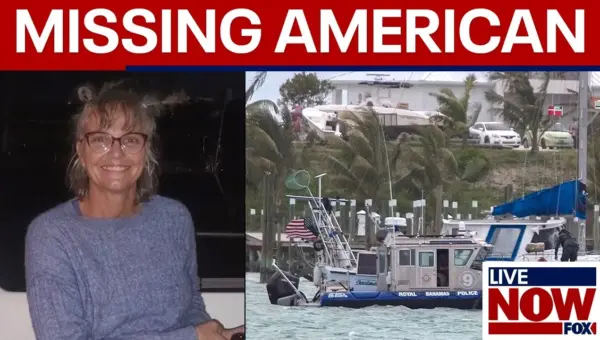
Brian Hooker, husband of missing American Lynette Hooker, has been arrested and is being questioned in the Bahamas. His wife vanished five days ago, and her daughter doubts Brian's account of her falling overboard, citing a history of domestic abuse.

Husband Arrested in Wife’s Disappearance at Sea
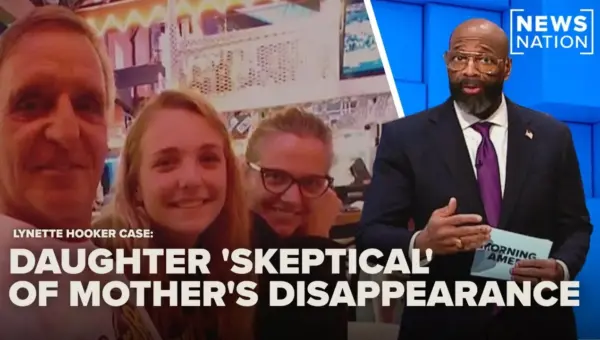
A Michigan man's wife has disappeared during a sailing trip in the Bahamas. While he claims she fell overboard, her daughter is skeptical and calls for a deeper investigation. Authorities have arrested the husband as the search for Lynette Hooker continues.


Killer Confesses: Gilgo Beach Murders End
Rex Heuermann has pleaded guilty to murdering eight women, bringing an end to the long-standing Gilgo Beach killings. The confession follows years of investigation and offers closure to victims' families. The district attorney confirmed the plea and highlighted ongoing efforts to uncover any further crimes.