BAFTAs Red Carpet 2024: A Resplendent Display of Silhouette and Style, Says The Times’ Fashion Director
Amidst a clamor for glamour, the BAFTA red carpet delivered a stunning array of fashion statements, according to The Times' Fashion Director Anna Murphy. From architectural silhouettes by Louis Vuitton to the elegant simplicity of British designers like Emilia Wickstead and Roksanda, the evening showcased both daring innovation and timeless sophistication, proving the enduring power of celebrity style to inspire and captivate.

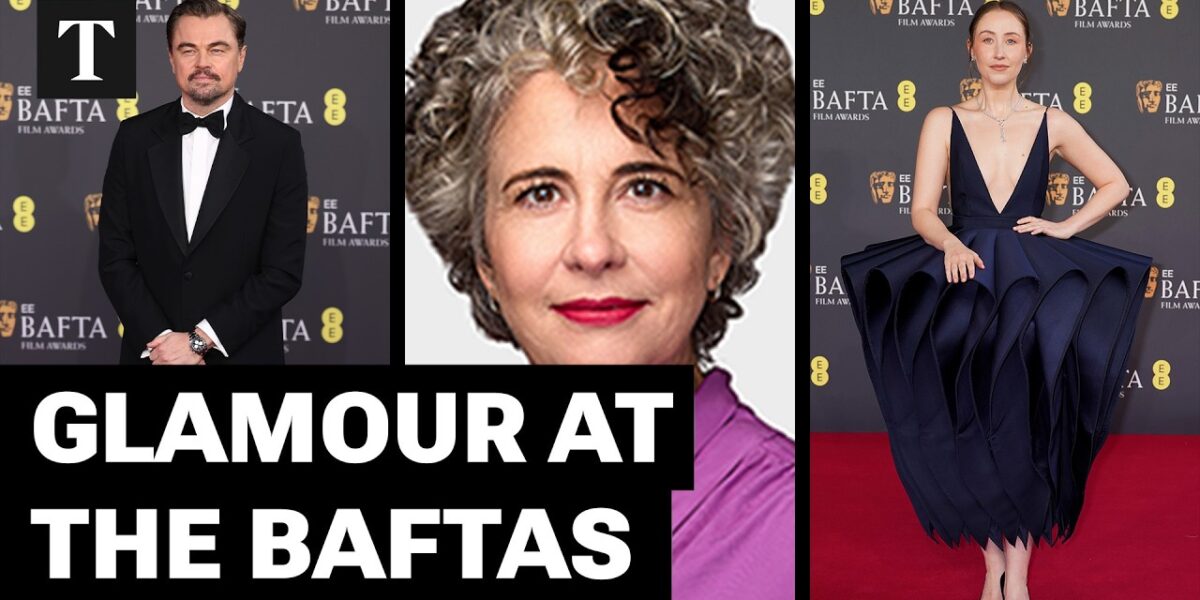
BAFTAs Red Carpet 2024: A Resplendent Display of Silhouette and Style, Says The Times’ Fashion Director
In an era often characterized by uncertainty and a palpable longing for reprieve, the red carpet serves as a potent antidote – a vibrant spectacle of escapism and unadulterated glamour. The 2024 British Academy Film Awards (BAFTAs) delivered precisely that, according to Anna Murphy, the esteemed Fashion Director for The Times. Amidst ongoing discussions and a general yearning for visual delight, the BAFTAs provided a much-needed injection of high fashion, offering a compelling narrative of sartorial artistry that both captivated and, at times, polarized.
While an initial sentiment from some observers hinted at disappointment regarding the overall inspiration level of the red carpet ensembles, Murphy staunchly countered this view. “I thought there was some rather wonderful things actually,” she asserted, emphasizing the collective need for glamour. This year’s BAFTAs, she argued, rose to the occasion, showcasing remarkable silhouettes and reaffirming the red carpet’s pivotal role in the global fashion landscape.
The Enduring Allure of the Red Carpet: A Cultural Phenomenon
The red carpet is far more than just a walkway; it is a meticulously curated stage where art, commerce, and celebrity converge. For designers, it offers unparalleled global visibility, transforming garments into talking points and collections into household names. For celebrities, it is an opportunity to embody character, express personal style, and cement their status as cultural icons. And for the public, it provides a dazzling escape – a chance to witness aspirational beauty and dramatic fashion unfold in real-time.
The BAFTAs, in particular, hold a unique position within the awards season circuit. As the British counterpart to Hollywood’s grand spectacles, they often blend quintessential British elegance with a spirit of innovative creativity, reflecting London’s status as a dynamic fashion capital. Its timing, frequently coinciding with London Fashion Week, further amplifies its significance, creating a synergistic platform where runway trends often find their immediate red-carpet translation, and vice versa. This year, the BAFTAs’ ability to bring glamour was seen as particularly vital, tapping into a broader societal desire for joy and aesthetic pleasure.
A Masterclass in Silhouette: The Defining Trend of the Evening
Anna Murphy highlighted the paramount role of silhouette as a central focus on the BAFTA red carpet. In fashion, a silhouette refers to the outline or shape of a garment, and it is often the first and most impactful visual element of an outfit. It dictates how a garment hangs, moves, and ultimately, how it transforms the wearer’s form. This year, designers pushed boundaries and embraced dramatic, sculptural forms, making a powerful statement about the art of dressmaking.
Chase Sui Wonders: The Architectural Fishtail by Louis Vuitton
One of the standout examples cited by Murphy was the dress worn by American actress Chase Sui Wonders, who was nominated for Best Supporting Actress. Her Louis Vuitton ensemble, described as a “fishtail [that] doesn’t begin to do justice to it,” was a masterclass in body-conscious design. The gown featured a “slinky column” silhouette that hugged her form before dramatically jutting out at the bottom. This architectural flourish, reminiscent of a “Walls Vionnetta” – a delicious reference to the iconic French couturière Madeleine Vionnet – underscored the gown’s sophisticated construction.
Madeleine Vionnet, active in the early 20th century, was renowned as the ‘architect of fashion’ for her pioneering use of the bias cut and her ability to drape fabric to create flowing, sensual, yet geometrically precise designs. Her work often involved intricate cutting techniques that allowed fabric to move with the body, rather than against it. The Louis Vuitton gown on Chase Sui Wonders, with its modern bodycon aesthetic culminating in a dramatic, sculptural flare, paid homage to this legacy, demonstrating how historical techniques can be reinterpreted for contemporary glamour. Louis Vuitton, under the creative direction of Nicolas Ghesquière, consistently delivers designs that blend futuristic elements with a deep respect for craftsmanship, making them a red-carpet powerhouse.
Erin Doherty: The Avant-Garde ‘Jet Engine’ by Louis Vuitton
Another striking Louis Vuitton creation was worn by British actress Erin Doherty. This navy dress immediately captured attention for its audacious form. Murphy vividly described it, saying it “made me think of a sort of jet engine. These huge curves of fabric that sort of stuck out in a kind of upside down triangle.” This description alone paints a picture of a garment that defied conventional red-carpet aesthetics, leaning heavily into avant-garde territory.
The ‘jet engine’ dress, with its bold, angular protrusions and voluminous fabric, was a testament to design as sculpture. While Murphy lauded it as one of her best-dressed picks, she acknowledged that it divided opinion, appearing on a number of other publications’ ‘worst dressed’ lists. This polarization is often a hallmark of truly innovative fashion; designs that push boundaries inevitably challenge perceptions. For some, it represented a fearless artistic statement, a bold embrace of structural experimentation. For others, it might have veered too close to costume or felt incongruous with the traditional elegance expected of a major awards ceremony. Nevertheless, it undeniably sparked conversation, fulfilling one of fashion’s most crucial roles: to provoke thought and inspire debate.
Navigating the Style Minefield: Hits and Misses
The red carpet is a high-stakes arena where every sartorial choice is scrutinized. While many achieve sartorial triumph, a few inevitably miss the mark, reminding us of the fine line between daring innovation and unfortunate misstep.
The Missteps: When Ambition Outstrips Execution
Murphy pointed out a few looks that failed to impress. One notable example was a “bangled extremely revealing number” worn by someone identified as Pega Foreman, reportedly a fashion designer. Murphy’s candid assessment was that it made her look “as if she got lost on the way to the Winter Olympics ice skating and not in a good way.” This critique highlights a common red-carpet pitfall: selecting an outfit that is ill-suited to the occasion or that sacrifices elegance for sheer shock value. The BAFTAs, while embracing creativity, still demand a certain level of sophistication and context, which this particular ensemble seemingly overlooked.
Another memorable misstep involved British actress Posy Sterling, whose “very very long wet hair” drew criticism. While Murphy humorously acknowledged the perpetually rainy British weather, she emphasized that “looking like you’ve just got out of the shower when you’re on the red carpet at the BAFTAs is probably not ideal.” This underscores the importance of meticulous grooming and styling in creating a polished red-carpet look. Every element, from the gown to the hair and makeup, contributes to the overall impression, and a perceived lack of effort can detract from even the most beautiful dress.
These examples serve as cautionary tales, illustrating how a lack of cohesion, an inappropriate choice for the event’s gravitas, or a simple oversight in styling can turn a potential fashion moment into a regrettable one. The red carpet demands a delicate balance of individuality, trend awareness, and respect for the occasion’s formality.
The Triumphs of Elegance: Classic Beauty and Modern Flair
Fortunately, the BAFTAs also offered a plethora of looks that exemplified refined taste and exquisite design, proving that sometimes, straight-down-the-line beauty can be the most impactful statement.
Rose Byrne: Ravishing in Lemon Yellow Chiffon
Australian actress Rose Byrne graced the carpet in a “ravishing in kind of lemon yellow chiffon” gown. Chiffon, with its delicate, flowing quality, has long been a staple of elegant evening wear, known for its ability to drape gracefully and create ethereal movement. A vibrant, cheerful colour like lemon yellow added a touch of modern freshness, demonstrating how classic fabrics and silhouettes can be elevated by a bold colour choice. Byrne’s choice underscored the enduring appeal of timeless Hollywood glamour, executed with understated perfection.Minnie Driver: Gorgeous in Scarlet Bustier by Emilia Wickstead
British actress Minnie Driver made a striking appearance in a “gorgeous in Scarlet Busier number by the London-based designer Emilia Wickstead.” Emilia Wickstead is a New Zealand-born, London-based designer celebrated for her modern, feminine aesthetic, characterized by impeccable tailoring, luxurious fabrics, and a sophisticated approach to volume and structure. Her designs often blend traditional elegance with a contemporary edge, making her a favourite among royalty and celebrities alike. The scarlet colour, rich and dramatic, commanded attention, while the bustier silhouette added a touch of classic allure and empowering femininity. The fact that Wickstead had also showcased her collection at London Fashion Week earlier in the day further highlighted the synergy between the awards ceremony and the city’s vibrant fashion scene.Gillian Anderson: Watercolory Brown by Roksanda
Emmy Award-winning actress Gillian Anderson chose a dress by another prominent London-based designer, Roksanda. Murphy described it as a “gorgeous kind of watercolory brown dress.” Roksanda Ilincic, a Serbian-born designer also based in London, is renowned for her distinctive aesthetic that blends architectural shapes with a painterly use of colour and luxurious textiles. Her collections often feature bold, sculptural forms and unexpected colour combinations, appealing to women who appreciate both artistry and wearability. The “watercolory brown” suggests a nuanced, sophisticated hue, likely with subtle variations or textures, reflecting Roksanda’s signature artistic sensibility. This choice exemplified a more understated yet deeply artistic approach to red-carpet dressing, proving that beauty isn’t always found in the loudest statement.
London Fashion Week’s Shadow: A British Design Showcase
The BAFTAs’ fortuitous timing, falling “pretty much in the middle of London Fashion Week,” created a powerful platform for British designers and those who call London home. This confluence of events meant that the fashion world’s gaze was firmly fixed on the capital, offering an unparalleled opportunity for designers like Emilia Wickstead and Roksanda to achieve global visibility.
London Fashion Week (LFW) is celebrated for its innovative spirit, fostering emerging talent alongside established names, and showcasing a diverse range of aesthetics from avant-garde to classic tailoring. When designers who have just presented their collections on the LFW runways see their creations worn by A-list celebrities on the BAFTA red carpet, it creates an immediate and impactful connection between high fashion and popular culture. This synergy not only boosts the profiles of individual designers but also reinforces London’s reputation as a dynamic and influential fashion capital, capable of setting trends and dictating style on an international stage. It transforms the red carpet from a mere display into a powerful marketing tool, amplifying the reach and resonance of British design.
The ‘Attention-Seeking’ Debate: Male Fashion on the Red Carpet
While much of the red-carpet discourse often centers on women’s fashion, male attire also sparks considerable debate, particularly when it veers from the traditional. Murphy and her colleagues touched upon a controversial look worn by an individual named Alan (whose full identity was not specified in the transcript), describing his jacket as a “silly jacket” – a “shower curtain that’s been shredded and then mixed with a leather jacket.” This candid assessment instantly brings to mind a look designed to provoke rather than simply adorn.
The hosts’ reaction, particularly the label of “attention-seeking,” highlights the fine line male celebrities walk on the red carpet. For decades, men’s awards show fashion was largely confined to variations of the tuxedo – black, white, or midnight blue. However, in recent years, there has been a significant shift towards greater experimentation, with designers and stylists encouraging men to embrace colour, texture, avant-garde silhouettes, and unconventional materials. This evolution is largely welcomed as a positive step towards challenging traditional masculinity and allowing for more personal expression.
Yet, when does personal expression tip into mere attention-seeking? The answer often lies in the execution, the context, and the perceived sincerity of the choice. A truly innovative look might challenge norms but still possess an inherent elegance or artistic merit. An “attention-seeking” look, in contrast, might be perceived as a gimmick, lacking substance or a clear aesthetic purpose beyond drawing a reaction. Alan’s jacket, as described, seems to fall into the latter category for Murphy, sparking a discussion about the boundaries of red-carpet creativity for men.
Beyond the Seams: The Broader Impact of Red Carpet Glamour
The BAFTAs red carpet, with its triumphs and missteps, its classic elegance and daring experimentation, serves as a microcosm of the broader fashion world and its profound impact on society. The “need for glamour” that Anna Murphy identified is not merely superficial; it speaks to a deeper human desire for beauty, inspiration, and a sense of occasion, particularly in times that can feel mundane or challenging.
Economically, red-carpet events drive sales, boost brand visibility, and fuel an entire ecosystem of stylists, designers, publicists, and media professionals. Culturally, they set trends, influence consumer choices, and contribute to the ongoing dialogue about aesthetics, identity, and celebrity. Media-wise, they generate countless articles, social media buzz, and public commentary, becoming a significant part of the news cycle.
More abstractly, these events offer a form of collective escapism. In a world saturated with information and often burdened by reality, the red carpet provides a fantastical spectacle, allowing audiences to momentarily transcend their everyday lives and immerse themselves in a world of beauty, aspiration, and dream-like allure. It reinforces the idea that fashion is not just about clothing; it is about storytelling, artistry, and the powerful human desire to create and behold beauty.
Conclusion: A Resounding Success for Glamour
Despite any initial reservations, Anna Murphy’s expert verdict on the 2024 BAFTAs red carpet was unequivocally positive. The evening delivered on its promise of glamour, showcasing a vibrant array of styles that emphasized the power of silhouette, celebrated both established and emerging designers, and sparked lively debate. From the architectural marvels of Louis Vuitton to the refined elegance of British talents like Emilia Wickstead and Roksanda, the BAFTAs proved its mettle as a significant fashion event.
In a world craving beauty and a touch of the extraordinary, the BAFTA red carpet stood out as a beacon of sartorial excellence. It was a compelling reminder that, even in challenging times, the transformative power of fashion and the enduring allure of glamour continue to inspire, entertain, and captivate audiences worldwide, leaving a lasting impression of artistry and sophistication.
Source: The Best-dressed On The Baftas Red Carpet: The Fashion Editor's Verdict (YouTube)

Related Articles


Congressman Swalwell Slams Trump’s Iran Strikes, Cites ‘No Plan’
Congressman Eric Swalwell has strongly condemned the recent U.S. military strikes in Iran, deeming them illegal and lacking a clear strategic plan. He joins Democrats in demanding a War Powers vote, asserting that the administration has failed to present evidence of provocation or a post-strike strategy. Swalwell criticizes the move as a distraction from domestic issues and a departure from campaign promises.


Iran Celebrates After Israeli Strikes Eliminate Top Leaders
Following Israeli airstrikes that reportedly killed Iran's Supreme Leader and top staff, celebrations have erupted among the Iranian diaspora. While a "monumental event," analysts caution against immediate expectations of a smooth democratic transition due to the IRGC's power and a divided opposition.


AI’s Ethical Divide: Trump’s Ban Sparks Fierce Debate
The Trump administration's blacklisting of AI firm Anthropic over its refusal to allow autonomous weapons and mass surveillance has ignited a fierce debate. The move highlights deep ethical divides in AI development and raises concerns about future government-tech partnerships.