Bad Bunny Test: Rubio’s Spanish Speech Sparks MAGA Backlash
Senator Marco Rubio's recent speech delivered entirely in Spanish has ignited a firestorm within the MAGA movement, highlighting a cultural divide. This controversy unfolds against a backdrop of booming global music, with Spanish-language artists like Bad Bunny topping charts, thanks to the reach of streaming platforms.

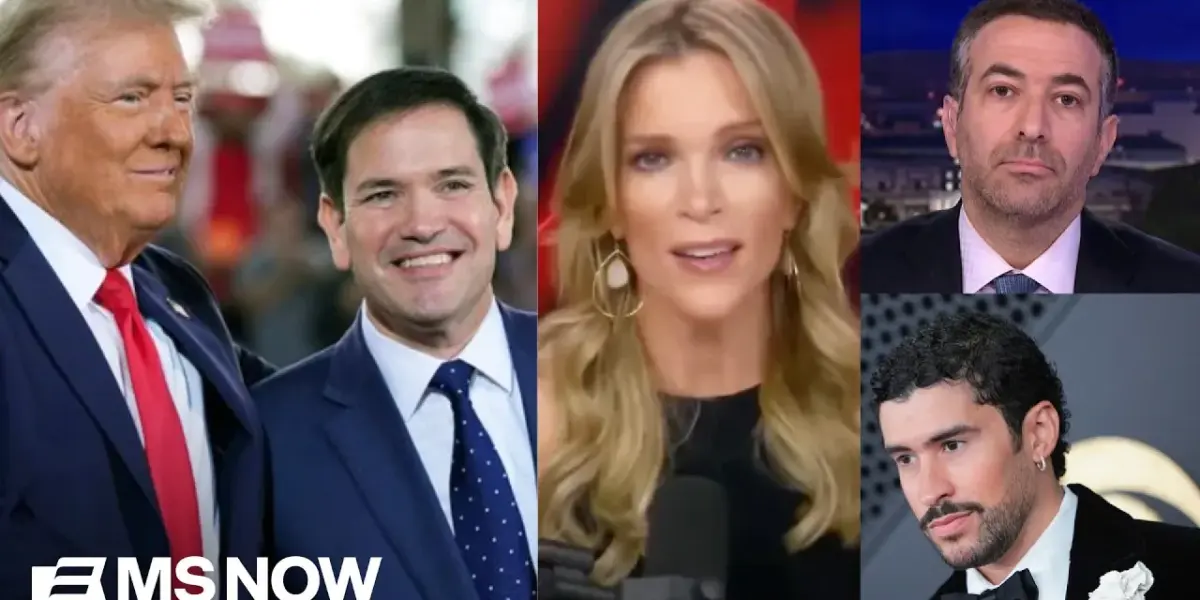
Rubio’s Spanish Speech Ignites MAGA Controversy
Senator Marco Rubio recently sparked a significant backlash from within the MAGA movement after delivering a speech entirely in Spanish. The incident occurred during an event where Rubio addressed attendees from Latin American countries, a move that critics within his own political circle deemed inappropriate. This reaction highlights a growing tension between traditional MAGA rhetoric and the evolving cultural landscape, particularly concerning the increasing popularity of non-English music and media.
The Rise of Global Music and Streaming’s Impact
The controversy surrounding Rubio’s speech comes at a time when music in languages other than English is experiencing unprecedented growth. Streaming platforms like Spotify have made it easier than ever for listeners to discover and enjoy music from around the world. Data shows that the share of non-English songs in top music charts has doubled in the last five years. This trend includes hits from Korea and Portugal, and notably, Spanish-language artists like Bad Bunny have topped both U.S. and global charts.
Bad Bunny, a Puerto Rican reggaeton superstar, has become a dominant force in the music industry. He has been Spotify’s most-streamed artist for several years. His music, often in Spanish, resonates with a massive global audience, demonstrating a significant shift in mainstream music consumption. This widespread appeal challenges the long-held dominance of English-language music in popular culture.
Streaming Fuels Global Artists and Concert Boom
Streaming services are not only broadening exposure to global music but are also reviving the concert industry for major artists. While concerns exist about artist compensation from streaming, these platforms have undeniably helped global artists break through traditional industry barriers. Genres like Latin music, K-Pop, and Afrobeats are gaining significant traction, partly due to streaming opening doors wider than the conventional music business might have.
However, the economic benefits of this music boom are not evenly distributed. Music writer and author Neil Shaw notes that income inequality is deeply apparent in the concert industry. The top 1% of artists, including global superstars like Taylor Swift, Bad Bunny, and Kendrick Lamar, now capture a substantial majority of concert ticket revenue. This trend, sometimes referred to as the “one percentification” of live music, means less income is available for mid-tier artists, making it harder for them to earn a living compared to previous eras.
Cultural Shifts Beyond Partisan Divides
The discussion around Rubio’s speech and the broader trends in music and culture suggests a disconnect between some political figures and the current public sentiment. While the Oscars and Grammys have featured jokes about an industry in decline, the reality for many artists and listeners points to a vibrant and expanding global music scene. The success of artists like Bad Bunny, whose Super Bowl performance was a ratings hit, indicates that cultural phenomena transcending language barriers are increasingly influential.
Neil Shaw, a longtime music reporter and author, commented on the situation, stating that some political reactions, like Trump’s past comments about Bad Bunny, appear out of touch with the reality of contemporary pop music. He also observed a general quietness from artists on pressing social and political issues, despite the nation facing tenuous times. While acknowledging that voices like Bad Bunny speaking out on issues like immigration at the Grammys are encouraging, Shaw believes more artists could use their platforms to engage in public discourse.
Broader Implications for Media and Culture
The conversation also touched upon the influence of corporate mergers in the media landscape, with concerns raised about Trump allies seeking to acquire Warner Brothers, which includes CNN. This potential shift raises questions about the future of news and American film culture. In this context, the cultural shifts driven by global music and streaming platforms represent a broader evolution that may offer clues about where society is headed, even as divisive political times persist.
Looking Ahead
As the music industry continues to evolve with technological advancements and global connectivity, the intersection of culture and politics will likely remain a focal point. The reactions to Senator Rubio’s speech serve as a microcosm of larger debates about identity, language, and cultural acceptance in an increasingly interconnected world. Observers will be watching to see if political figures adapt their messaging to reflect these evolving cultural dynamics or if such disconnects continue to fuel partisan friction.
Source: SELF-OWN! See Rubio fail MAGA's 'Bad Bunny' test: Ari on MAGA's self-implosion (YouTube)

Related Articles

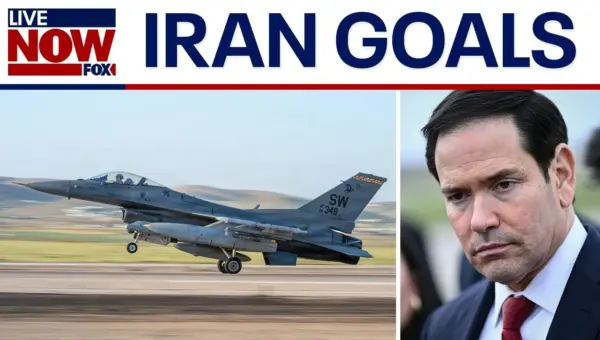
Rubio: US Can Achieve Iran War Goals Without Troops
Senator Marco Rubio outlined a strategy to counter Iran without deploying U.S. ground troops, focusing on weakening the regime and enhancing maritime security. He also criticized Cuba's economic system and expressed concerns about West Bank violence.
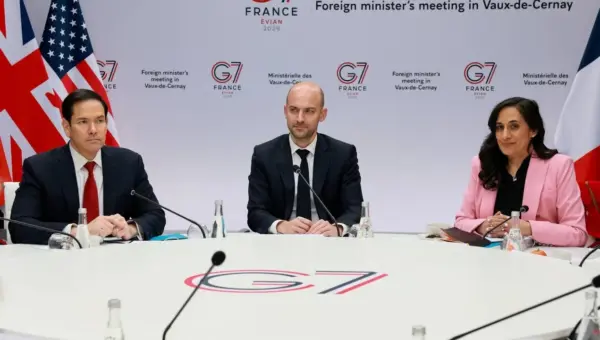
Rubio Puts US First at G7 Summit, Sparks Debate
Secretary of State Marco Rubio attended the G7 summit in France, emphasizing his commitment to serving the American people above all else. The meeting addressed the war in Iran and Russia's role, revealing differing approaches among allies on regional security and the Strait of Hormuz.

MAGA Voters Divided Over Potential Iran War
The potential for a US war with Iran has sparked debate at CPAC, revealing a divided MAGA base. While some support military action, many express concerns over prolonged conflicts and rising economic costs, particularly higher gas prices.