B-52s Strike Iran, Signal Dominance Over Airspace
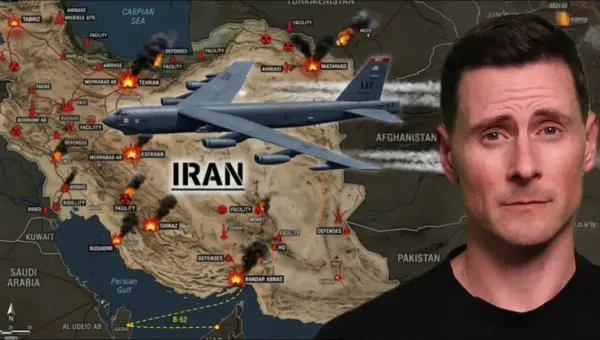
U.S. B-52 bombers have struck key underground ammunition depots in Estafan, Iran, using heavy bunker-buster bombs. The missions assert American air superiority over Iran, targeting IRGC missile plants and command centers. These strikes aim to degrade Iran's military capabilities and disrupt its operations.


US Bombers Hit Deep in Iran, Assert Air Superiority
American B-52 Stratofortress bombers have conducted significant strikes inside Iran, targeting key underground ammunition depots. These missions, reportedly the first overland bomber flights in recent days, focused on locations in Estafan. The strikes likely involved heavy munitions, such as 2,000-pound bunker-buster bombs. These powerful weapons are designed to penetrate hardened targets like underground facilities.
The impact of the strikes was substantial, with footage shared by President Trump on social media showing massive secondary explosions. These explosions suggest the bombs successfully hit their intended targets and detonated stored munitions. Following the strikes, officials like Pete Hegth described the coming days as “decisive.” This indicates a belief that these actions could significantly alter the current military situation.
Air Dominance Achieved Over Iran
The B-52 bombers operated with what is described as “total air superiority” over Iran. This means that Iranian air defenses were unable to effectively challenge or stop the American aircraft. This air dominance allows U.S. forces to conduct operations freely, targeting specific sites without fear of interception or engagement.
The targets included facilities belonging to the Islamic Revolutionary Guard Corps (IRGC). These strikes hit missile plants, command centers, and naval assets. The IRGC is a branch of the Iranian armed forces responsible for the country’s missile program and regional military operations. By targeting these specific assets, the U.S. aims to degrade Iran’s military capabilities.
Strategic Implications
The B-52 missions signal a significant shift in military posture. The ability of the B-52, a long-range heavy bomber, to operate unchallenged over Iran demonstrates a clear projection of power. The aircraft’s range and payload capacity make it ideal for striking deep behind enemy lines. Its presence in the region allows for sustained pressure on Iranian military infrastructure.
The mention of Iranian ballistic missile and drone launches being “at rock bottom” and down over 90% suggests that previous actions may have already weakened Iran’s offensive capabilities. The current B-52 strikes appear designed to further suppress any remaining ability for Iran to launch attacks, particularly against U.S. interests or allies.
The B-52 is walking in and is going to keep the IRGC walking funny for the next few weeks.
This quote highlights the intended disruptive effect of the bombings. The strikes are meant to disrupt the IRGC’s operations and morale, making it difficult for them to function effectively in the near future. This tactic aims to achieve strategic objectives through direct military pressure.
Historical Context
The B-52 Stratofortress has a long history of strategic bombing, dating back to the Vietnam War and continuing through conflicts like the Gulf War. Its ability to carry a large variety of munitions, including precision-guided bombs and conventionally armed standoff missiles, makes it a versatile platform. Its deployment in this scenario reflects a strategy of overwhelming force to achieve specific military goals.
The targeting of underground facilities is a common tactic in modern warfare. Nations often build hardened sites to protect critical assets like weapons and command centers from aerial attack. Successfully striking these locations requires specialized munitions and precise intelligence, demonstrating a high level of operational capability.
Geopolitical Impact
These actions by the U.S. have broader geopolitical implications. They send a strong message to Iran and other regional powers about U.S. military resolve and capability. Such operations can influence regional stability and deter potential aggressors. The ability to project power deep into contested airspace is a key element of national security strategy.
The reported decrease in Iranian missile and drone activity could be a result of diplomatic pressure, sanctions, or direct military action. The sustained bombing campaign by B-52s, if continued, could further solidify a new strategic reality in the region, potentially reshaping future military interactions.
Source: You Won’t Believe What B-52 Bombers Just Did To Iran (YouTube)

Related Articles


Broker’s Defense Investment Bid Before War Sparks Outrage
A broker linked to Defense Secretary Pete Hegseth reportedly sought a multimillion-dollar investment in defense firms before U.S. strikes on Iran, according to the Financial Times. The Pentagon has called the report false, but analysts suggest the intent behind such a proposal could still be highly significant, regardless of whether the deal was finalized.
B-52 Bombers Strike Iran’s Missile Hubs
U.S. B-52 bombers have conducted their first overland missions into Iran, striking key ammunition depots linked to the country's ballistic missile program. These operations mark a significant escalation, demonstrating U.S. air superiority and degrading Iranian air defenses.


US Troops Show Resolve in “Operation Epic Fury”
Secretary Hegseth visited U.S. troops engaged in "Operation Epic Fury," witnessing their high morale, competence, and urgency. He reported that American forces are demonstrating increasing firepower and effectiveness, while Iran's capabilities are diminishing. The secretary urged Iran to negotiate a deal, warning of intensified U.S. action if they refuse.