B-2 Bombers Strike Iran, Signaling New Era of Warfare
The deployment of B-2 stealth bombers to strike Iran's deeply buried ballistic missile sites signals a significant shift in military strategy. By targeting vulnerabilities like vent shafts, the US demonstrates a sophisticated approach to neutralizing hardened threats, underscoring the evolving nature of aerial warfare and its geopolitical implications.

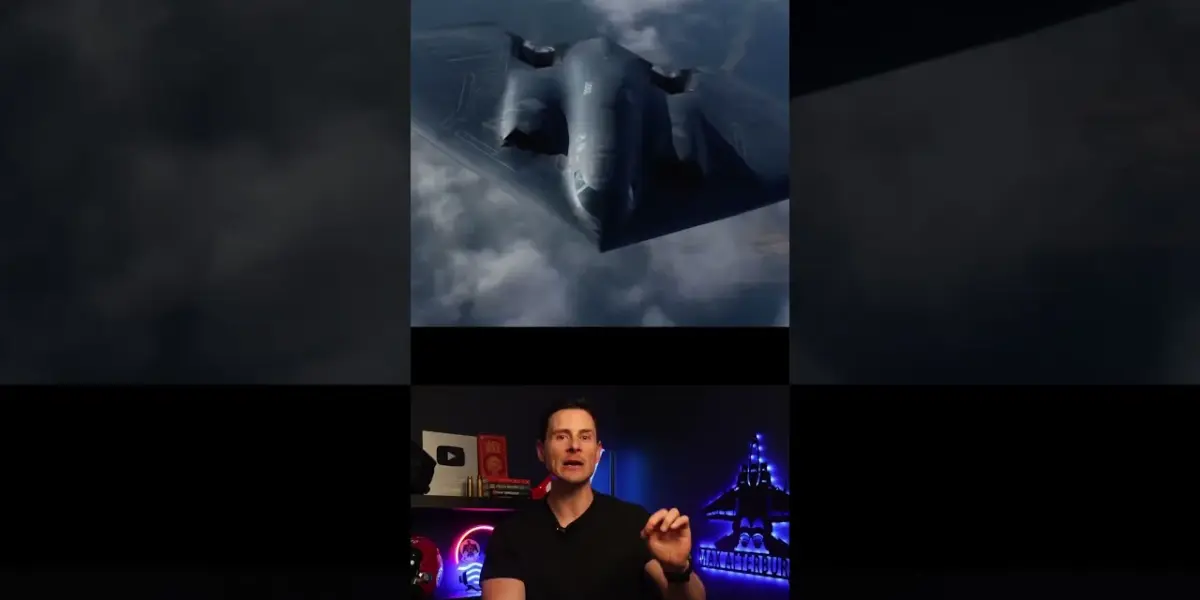
B-2 Bombers Strike Iran, Signaling New Era of Warfare
In a move that has sent ripples through the geopolitical landscape, the United States has reportedly deployed its B-2 stealth bombers to strike hardened ballistic missile sites in Iran. This action, hinted at by President Trump, signifies a potentially significant escalation in regional tensions and showcases a sophisticated advancement in American aerial capabilities. The targets, described as being buried deep within granite mountains, present a formidable challenge, pushing the boundaries of conventional military strategy and highlighting the evolving nature of conflict in the 21st century.
The Nature of the Target: A Subterranean Challenge
The focus of this alleged operation appears to be Iran’s deeply buried ballistic missile facilities, specifically mentioning sites near Natanz, potentially within the “Pickax Mountain” granite formations. These subterranean bunkers are designed for maximum survivability, burrowed hundreds of feet beneath the surface and encased in dense rock. This depth and geological reinforcement make them exceptionally difficult to penetrate using traditional ordnance.
The transcript references the challenges faced in previous operations, such as “Operation Midnight Hammer,” suggesting that the current targets are even more resilient. The implication is that simply attempting to punch through hundreds of feet of granite with conventional “penetrators” might be insufficient. This forces a re-evaluation of military tactics when confronting such deeply entrenched threats.
A Shift in Strategy: Exploiting Vulnerabilities
The reported genius of the B-2 bomber’s approach lies not in brute force penetration, but in a more nuanced, strategic attack. Instead of aiming for a direct, catastrophic breach of the main structure, the B-2 crews are said to be targeting critical vulnerabilities: the vent shafts and air intakes. These are the lifelines of any subterranean facility, providing essential air and potentially serving as conduits for other resources.
By precisely striking these access points with 2,000lb penetrators, the B-2 bombers can effectively “seal in” the facility. The impact and subsequent explosion could disrupt ventilation, leading to a lack of oxygen, and generate shockwaves that could collapse internal tunnels. This method aims to neutralize the facility and any personnel or equipment within, not by direct impact, but by exploiting its inherent reliance on external support systems. This represents a sophisticated application of air power, moving beyond simple destruction to strategic incapacitation.
The B-2 Spirit: A Symbol of Air Superiority
The B-2 Spirit stealth bomber, a cornerstone of American air power, is uniquely suited for such a mission. Its low-observable technology allows it to penetrate sophisticated air defense systems undetected, giving it the freedom to operate deep within enemy territory. Its payload capacity, including the heavy penetrators mentioned, is designed to tackle hardened targets.
The B-2’s ability to operate with such precision against deeply buried, hardened targets underscores its role as a strategic deterrent and a powerful offensive tool. The transcript’s closing remarks, “American Air Power showing my no hideout safe when we bring the heat with the B-2,” effectively convey the message of overwhelming technological superiority and the message that even the most fortified locations are not immune to American strikes.
Historical Context and Evolving Warfare
The deployment of advanced stealth bombers against deeply buried facilities is not entirely unprecedented, but the specific focus on subterranean Iranian missile sites marks a significant point in the ongoing strategic competition in the Middle East. Throughout history, military powers have sought to develop technologies and tactics to overcome enemy defenses, from ancient siege engines to modern precision-guided munitions.
The development of underground military infrastructure by nations like Iran is a direct response to the perceived threat of aerial bombardment. In turn, this has spurred the development of even more sophisticated offensive capabilities by potential adversaries. The B-2’s reported use in this context illustrates a continuous cycle of innovation and counter-innovation in military technology. It reflects a broader trend towards the weaponization of space, cyber warfare, and highly advanced conventional strike capabilities, all aimed at achieving strategic objectives with minimal direct confrontation, or at least, with a high degree of control over escalation.
Why This Matters
This reported B-2 bomber operation carries profound implications:
- Escalation Risk: Such a strike, even if precise and limited, carries the inherent risk of provoking a significant retaliatory response from Iran, potentially drawing regional and global powers into a wider conflict.
- Deterrence Posture: The demonstration of capability signals to Iran and other potential adversaries that deeply buried, hardened sites are no longer a sanctuary. This aims to alter the perceived cost-benefit analysis for developing and housing such weapons.
- Technological Arms Race: It highlights the ongoing technological arms race in precision strike capabilities and counter-proliferation efforts. Nations will continue to invest in both offensive tools to degrade enemy capabilities and defensive measures to protect their own.
- The Future of Warfare: The emphasis on striking critical infrastructure like ventilation and access points, rather than direct destruction, suggests a move towards more surgical, incapacitating strikes that aim to achieve strategic effects with potentially less collateral damage, but also with a high degree of technical sophistication.
Implications, Trends, and Future Outlook
The strategic implications of this alleged B-2 strike are far-reaching. It suggests that the United States is willing to employ its most advanced assets to counter threats it deems existential, even if it means operating in a highly sensitive geopolitical environment. The focus on subterranean targets also points to a growing trend in military planning: the need to develop capabilities that can defeat deeply buried, hardened enemy infrastructure.
This could spur further investment in specialized munitions, advanced reconnaissance, and potentially even novel delivery systems. For Iran and other nations investing in similar hardened facilities, the challenge will be to develop countermeasures or alternative defense strategies. This might include enhancing passive defenses, developing more robust command and control systems that are less reliant on external support, or exploring asymmetric responses.
The future outlook suggests a continued emphasis on technological superiority in conventional warfare. The ability to project power deep into contested airspace and strike elusive targets with precision will remain a critical advantage. However, it also underscores the persistent challenge of managing escalation and avoiding unintended consequences in an era of complex, multi-domain threats.
The B-2 bomber’s reported actions against Iran’s fortified missile sites are more than just a military event; they are a potent symbol of evolving strategic thinking and the relentless pursuit of dominance in an increasingly complex and dangerous world. The message is clear: in the theater of modern warfare, even the deepest hideouts are becoming increasingly vulnerable to the relentless advance of aerial power.
Source: B-2 Bomber Just Did Something MASSIVE To Iran (YouTube)

Related Articles

G7 Allies Clash Over Iran War Strategy, Urge Focus on Russia
G7 foreign ministers met in Paris, revealing deep divisions over the U.S. war with Iran. European allies urged the U.S. to pressure Russia, linking its actions to the conflict and fearing support for Ukraine will wane.

Iran Blocks China Ships, Exposing Beijing’s Weak Grip
Iran's recent decision to block Chinese ships at the Strait of Hormuz is exposing the limits of Beijing's influence in the Middle East. This action is causing delays and cancellations for Chinese manufacturers, turning a perceived geopolitical win into an economic strain.
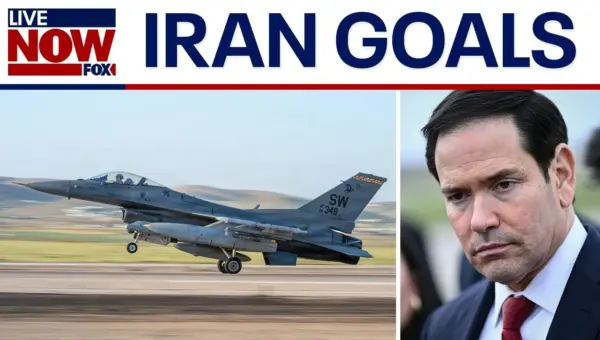
Rubio: US Can Achieve Iran War Goals Without Troops
Senator Marco Rubio outlined a strategy to counter Iran without deploying U.S. ground troops, focusing on weakening the regime and enhancing maritime security. He also criticized Cuba's economic system and expressed concerns about West Bank violence.