Avengers’ Epic Blueprint: How 2012’s Hit Set MCU Stage
The 2012 blockbuster 'Avengers' redefined the superhero genre, setting a structural and creative blueprint for all future Marvel crossover films. Revisiting this iconic movie reveals how its epic battles and character dynamics laid the groundwork for the entire Marvel Cinematic Universe.

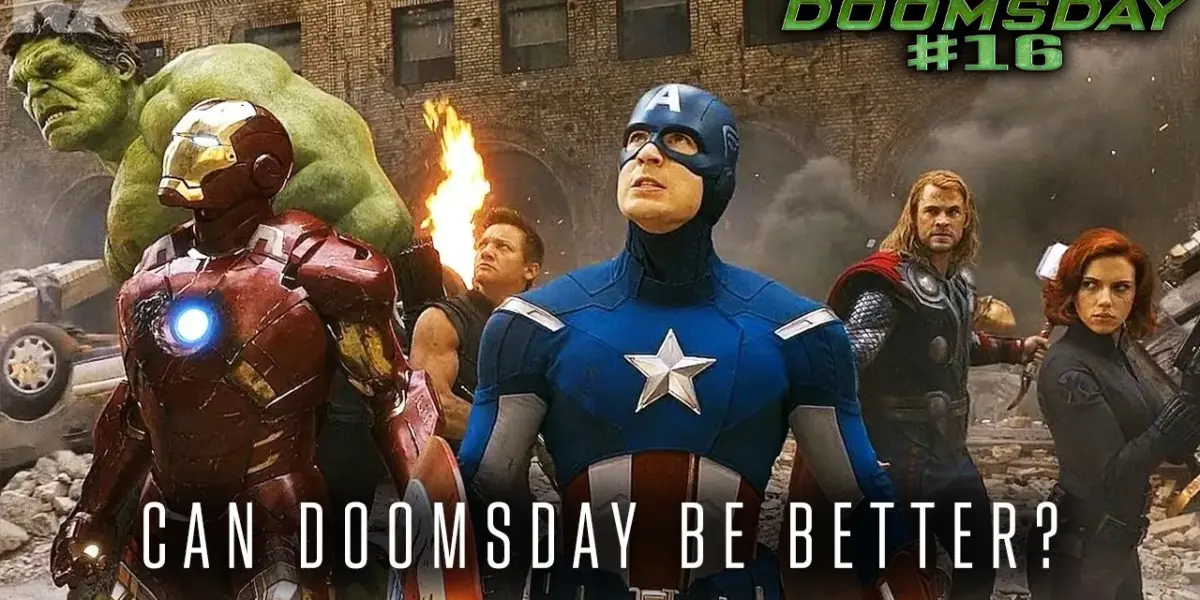
Avengers’ Epic Blueprint: How 2012’s Hit Set MCU Stage
The 2012 blockbuster Avengers wasn’t just a massive success; it was the master plan for every Marvel crossover movie that followed. As fans look ahead to the upcoming Avengers: Doomsday, revisiting the film that first united Earth’s mightiest heroes feels more important than ever. This movie, a huge commercial hit, gave us the formula for epic team-ups and introduced elements that continue to shape the Marvel Cinematic Universe.
Released on May 4, 2012, The Avengers, directed by Joss Whedon, brought together Iron Man, Captain America, Thor, Hulk, Black Widow, and Hawkeye. It was the first Marvel Studios film distributed by Disney, though the groundwork was laid before Disney’s acquisition of Marvel Entertainment. The movie was a critical and commercial triumph, earning over $1.5 billion worldwide and proving that a shared universe could deliver spectacular results.
A Bold Beginning and a Masterful Plan
The film kicks off with a bang. The Tesseract, a powerful artifact from Asgard, awakens, and the villainous Loki arrives on Earth. He strikes a deal with the alien Chitauri to invade our planet, wielding the scepter that controls minds. This sets off a chain reaction, forcing S.H.I.E.L.D. Director Nick Fury (Samuel L. Jackson) to reactivate the dormant Avengers Initiative.
Fury recruits Natasha Romanoff (Scarlett Johansson), codenamed Black Widow, to track down Dr. Bruce Banner, aka the Hulk, now played by Mark Ruffalo. Meanwhile, Captain America, Steve Rogers (Chris Evans), is still adjusting to life in the modern world after being frozen for decades. Tony Stark, Iron Man (Robert Downey Jr.), is busy with Stark Industries, but is soon drawn into the unfolding crisis.
The early parts of the movie show the heroes struggling to work together. Thor (Chris Hemsworth) arrives to capture his mischievous brother, Loki, leading to a memorable fight scene in the woods where Iron Man, Captain America, and Thor battle each other. This sequence perfectly captures the heroes’ clashing personalities and initial distrust, a far cry from the unified team they would become.
The Helicarrier and Rising Tensions
The heroes eventually converge on S.H.I.E.L.D.’s massive flying headquarters, the Helicarrier. Here, the tensions between them are palpable. Loki, using the Mind Stone in his scepter, manipulates their emotions, amplifying their conflicts. This leads to a dramatic moment where the Hulk, unable to control his rage, goes on a rampage through the ship, causing chaos and nearly destroying the Helicarrier.
During this chaos, Agent Phil Coulson (Clark Gregg), a beloved S.H.I.E.L.D. agent, tries to confront Loki. Tragically, Loki kills Coulson, a moment that deeply affects the team. This sacrifice becomes the catalyst, giving the heroes a common goal: to avenge Coulson’s death and protect Earth. It’s a powerful narrative device that fuels their determination.
The Battle for New York
Loki’s plan culminates in an alien invasion of New York City through a portal opened above Stark Tower. The film then launches into the epic Battle of New York, a nearly 30-minute action sequence that is the heart of the movie. This extended battle showcases each hero’s unique abilities as they fight the Chitauri army and their massive alien creatures.
We see Iron Man flying into the mouth of a Leviathan and blowing it up from the inside, Captain America coordinating the ground forces, Thor battling alien flyers, and the Hulk delivering devastating blows. Black Widow uses her skills to disable enemy craft, and Hawkeye (Jeremy Renner) provides crucial support. The scene where Captain America uses his shield to launch Black Widow into the air is a standout moment of teamwork.
The battle reaches its climax when Tony Stark pilots a nuclear missile through the portal to destroy the Chitauri mothership. He barely makes it back before the portal closes, saved by the Hulk. This sequence, a masterclass in action filmmaking, became the blueprint for the large-scale battles seen in later MCU films like Avengers: Infinity War and Avengers: Endgame.
Legacy and Future Connections
The events of The Avengers have far-reaching consequences. The destruction in New York led to the events of the Netflix series Daredevil. Agent Coulson’s death, though tragic, led to the creation of the TV show Agents of S.H.I.E.L.D., where he was later revealed to be alive. The mid-credits scene introduced Thanos (Josh Brolin), the ultimate villain of the Infinity Saga, hinting at the larger cosmic threat to come.
The film’s post-credits scene, showing the exhausted heroes sharing shawarma, is an iconic moment of camaraderie. It perfectly captures the feeling of a long, hard day’s work. As the MCU continues to expand, the foundational elements established in 2012’s Avengers, from its character dynamics to its epic action, remain a vital part of its DNA. With Avengers: Doomsday on the horizon, expect many callbacks to this groundbreaking film that started it all.
Source: AVENGERS (2012) REVISITED | Road to Doomsday Ep 16 (YouTube)

Related Articles


Spider-Man Trailer Hints at Mutant Saga!
The trailer for Spider-Man: Brand New Day features a mysterious voiceover and subtle clues that hint at a much larger story. Fans speculate the film is secretly setting up the introduction of mutants into the MCU, potentially involving characters like The Jackal.

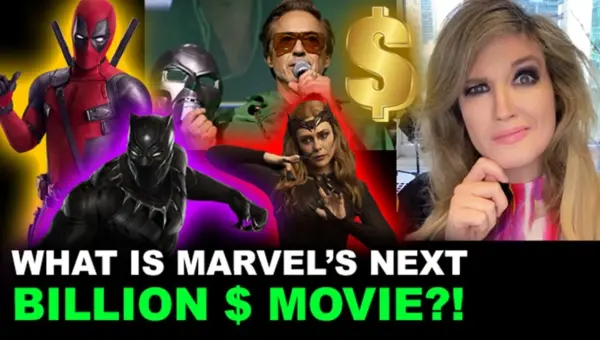
Marvel’s Next Billion-Dollar Blockbuster: Who Will Reign Supreme?
Marvel's box office reign has hit a rough patch, with upcoming films like 'Avengers: Doomsday' facing stiff competition. While 'Black Panther 3,' 'X-Men,' and potential team-ups offer hope, the studio faces challenges in recapturing its billion-dollar streak.
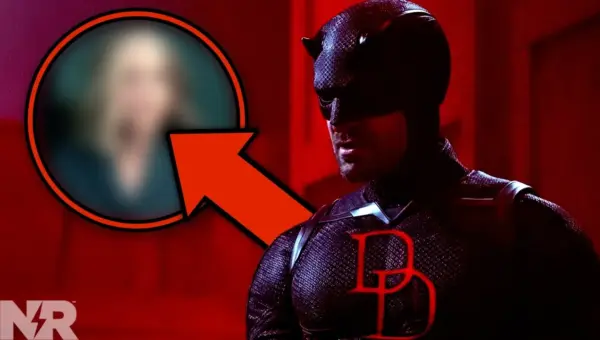
Daredevil Strikes Back: Season 2 Drops Shocking Twists!
Daredevil: Born Again Season 2 kicks off with 'The Northern Star,' revealing Matt Murdock's new black suit and a city under Mayor Fisk's control. The premiere features a daring ship raid, the return of the anti-Fisk resistance, and a shocking intervention by Bullseye.