GENERAL
The Immediate Danger: Alex Stamos on AI’s Real Threat to Cybersecurity
The Immediate Danger: Alex Stamos on AI’s Real Threat to Cybersecurity In an era increasingly defined by rapid technological advancement, the discourse…
The Immediate Danger: Alex Stamos on AI’s Real Threat to Cybersecurity In an era increasingly defined by rapid technological advancement, the discourse…
A deep dive into the intellectual lineage of Leo Strauss reveals how a bifurcated philosophical education contributed to the divergence among Straussians, with some embracing MAGA Republicanism while others vehemently oppose it. The incomplete adoption of Straussian pedagogy, coupled with a romanticized view of America's past and the pervasive influence of social media, has fueled a potent blend of indignation and alarmism on the contemporary right, challenging the very foundations of rational discourse and self-governance.
The rise of strongman leaders globally, including Donald Trump, is linked to an underlying issue in liberal democracies: 'vetocracy.' This excessive proceduralism, characterized by an accumulation of laws and veto points, paralyzes government and prevents effective action, leading to public frustration and a yearning for unconstrained leadership. Addressing this systemic paralysis is crucial to safeguarding democratic institutions and fostering a government capable of serving the common interest.
Despite campaigning against foreign entanglements, the Trump administration's intervention in Venezuela, dubbed 'nation-building light,' risks repeating past U.S. failures in Afghanistan and Iraq. This strategy, aiming for remote control and oil extraction, faces severe challenges including economic realities, an escalating humanitarian crisis, and the inherent difficulty of establishing legitimacy without direct commitment to democratic state-building.
America faces a profound crisis in state capacity, where its government struggles to accomplish essential tasks from infrastructure development to space exploration. This paralysis stems from deep-seated cultural distrust and an accumulation of procedural complexities, creating a "vetocracy" that over-constrains government action across all levels. Addressing this requires culling veto points, delegating authority, and learning from past successes like the Apollo program to rebuild effective governance.
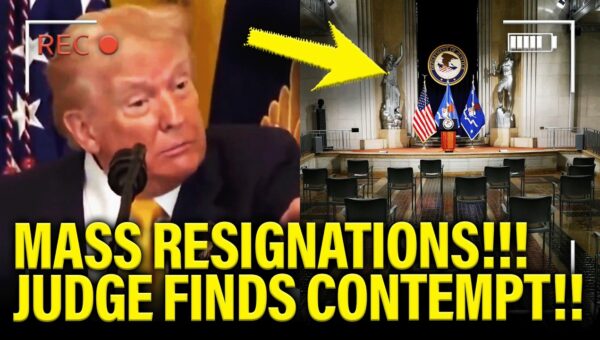
A severe understaffing crisis within the Department of Justice, fueled by mass resignations and firings, has led to federal lawyers being held in contempt of court. This unprecedented situation, exemplified by attorney Matthew Ishiara, jeopardizes migrant due process and highlights systemic failures, including the perceived recalcitrance of agencies like ICE, and raises serious questions about the DOJ's credibility and leadership accountability.
Following a Supreme Court setback on tariffs, former President Donald Trump reportedly reacted with a 'meltdown,' announcing new global tariffs and a controversial 'Pledge America' media directive. These actions unfolded amidst concerning economic data, environmental policy rollbacks, and a cascade of ethical allegations, collectively signaling a tumultuous period of governance marked by defiance and broad policy shifts.
Pope Leo I 14th has decisively rejected overtures from the Trump administration, including an invitation to the "Board of Peace" and America's 250th day celebration. Instead, the Pontiff will spend July 4th on Lampedusa with migrants, sending a powerful message of solidarity amidst growing tensions over immigration and religious freedom. This defiance underscores a deepening rift between the Vatican and the Trump regime, rooted in fundamental disagreements over human dignity and international diplomacy.
The Supreme Court's recent ruling striking down Trump's unilateral tariffs has ignited a fierce backlash from the administration, which has responded with threats of unprecedented embargos and promises of prolonged legal battles. Economists argue the decision reaffirms constitutional checks and balances, while exposing the economic failures of the tariff regime and the damaging long-term impact on America's global trade standing.
Former President Donald Trump reacted with swift defiance to a Supreme Court ruling striking down his previous tariffs, rapidly escalating new tariff threats to 15% worldwide. This move, based on a legally dubious invocation of the 1974 Trade Act, has sparked widespread criticism from economists who view tariffs as taxes on Americans, and ignited a diplomatic spat with European allies over defense procurement. The unfolding situation highlights deep concerns over presidential authority, the rule of law, and the long-term erosion of global trust in U.S. leadership.