Austria Moves to Shield Kids: Social Media Ban for Under 14s
Austria plans to ban social media for children under 14, citing concerns over addictive algorithms and harmful content. This move reflects a growing international trend toward regulating online access for minors, though critics warn of potential infringements on rights and social connections.

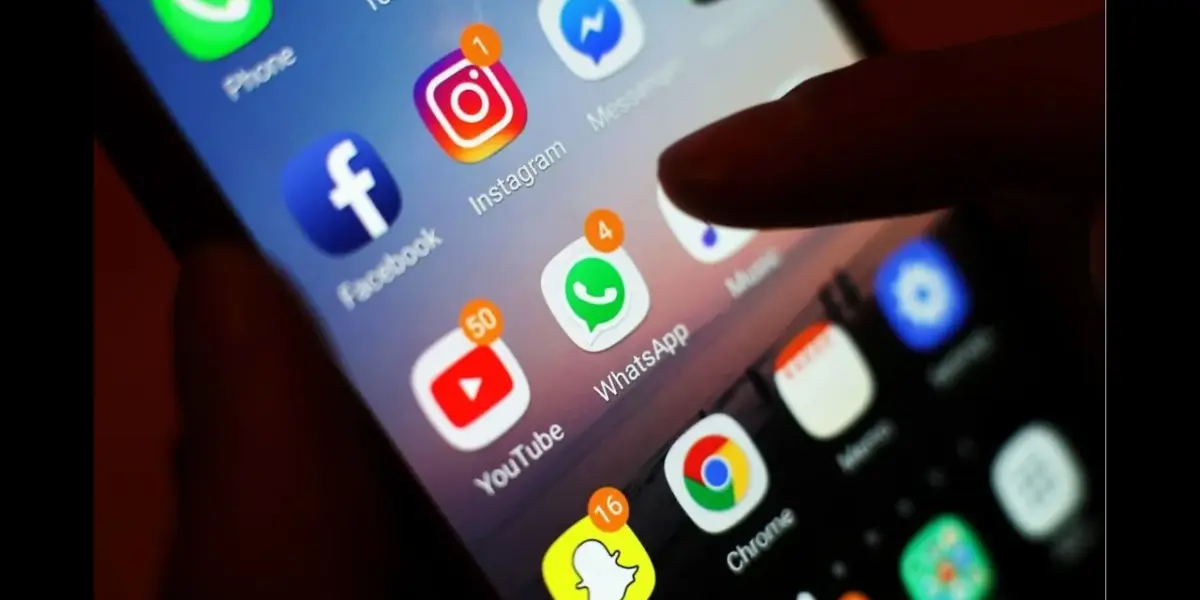
Austria Moves to Shield Kids: Social Media Ban for Under 14s
Austria is taking a bold step to protect its youngest citizens. The government announced plans to ban social media use for children under the age of 14. This decision comes from the three ruling parties, who have agreed on the basic idea of such a ban.
The main reason behind this proposed law is to safeguard children. Officials believe social media platforms use addictive algorithms. They also worry about harmful content, including material related to sexual abuse. This ban aims to shield young minds from these dangers.
While the principle is agreed upon, the details are still fuzzy. The government hasn’t shared when the ban will start or how it will be put into action. This leaves many questions unanswered about its practical application.
International Moves and Criticisms
Austria is not the first country to consider such measures. Australia introduced a ban for those under 16 last year. However, that ban faced criticism because it exempted a specific platform, leading to accusations of unfairness.
France also took action earlier this year. Its parliament approved a ban for children under 15. These moves show a growing trend among European nations to regulate children’s access to online spaces.
But these bans are not without their critics. Some argue that social media is a vital tool for young people. They use these platforms to stay connected with friends, family, and other trusted individuals. Critics worry that banning social media could harm children’s social lives.
There’s also concern about government overreach. Opponents of the bans suggest they could limit young people’s rights. They also fear that such laws might give governments too much control over what children can access online.
Why This Matters
Austria’s plan highlights a major debate happening worldwide. It’s about finding the right balance between protecting children and respecting their freedom to connect and explore online. The digital world offers many opportunities, but it also presents real risks for young, developing minds.
This issue touches on several important points. How do we shield children from online harms like addiction and abuse? At what point does government regulation become too intrusive? And how can we ensure that online spaces are safe without cutting off young people from important social connections?
Historical Context and Background
The rise of social media has been rapid. Platforms like Facebook, Instagram, and TikTok have become deeply woven into the fabric of daily life. For younger generations, these platforms are often their primary way of interacting with the world.
Early internet use was often seen as a tool for information and communication. Now, social media is a complex environment. It’s a place for socializing, entertainment, and even learning, but it also contains significant dangers.
Concerns about children’s online safety have grown over the years. Reports of cyberbullying, exposure to inappropriate content, and the addictive nature of social media have led to increased calls for action. Governments are now grappling with how to address these issues effectively.
Implications, Trends, and Future Outlook
Austria’s proposed ban could influence other countries. If successful, it might encourage more nations to consider similar age restrictions. This could lead to a patchwork of different rules across the globe.
The debate also raises questions about technology itself. Should platforms be designed differently to be safer for children? Will companies take more responsibility for the content and user experience on their sites?
The challenge lies in enforcement. How can a country effectively stop children under 14 from using social media? Age verification is difficult and can raise privacy concerns. This is a hurdle that Austria and other nations will need to overcome.
Ultimately, this is about the future of childhood in a digital age. Societies are trying to adapt to new technologies. They are seeking ways to ensure that the online world benefits children rather than harms them. The outcome of Austria’s plan could offer clues about how this complex challenge will be met.
Source: Austria Plans Social Media Ban for Children Under 14 (YouTube)

Related Articles
MP Defends Controversial Toy ‘Influencer Kits’ for Toddlers
Labour MP Veriel Clark defended a new toy 'influencer kit' for toddlers, stating it's not the 'worst thing' she's ever seen. She is also leading an inquiry into the government's proposed social media ban for under 16s, aiming to highlight the positive contributions of digital creators.


Senator Blackburn Slams Democrats on DHS Funding Stalemate
Senator Marsha Blackburn criticized Democrats for the ongoing DHS funding shutdown, accusing them of reneging on deals and prioritizing an agenda to abolish ICE. She suggested reconciliation as a potential path forward for funding essential services. The interview also covered crime reduction efforts in Memphis and the need for online child safety legislation.


Ex-Meta Exec: Algorithms Exploit Our Worst Traits for Profit
A former Meta executive revealed that social media algorithms are designed to exploit human weaknesses like outrage and fear to maximize user engagement and profit. These systems, driven by profit motives rather than user well-being, lack sufficient human oversight and may require regulation similar to industries like tobacco or finance.