Astronauts Ready for Historic Moon Mission Amidst Weather Watch
NASA's Artemis II mission is set for launch, carrying four astronauts on a groundbreaking journey around the Moon. Despite weather concerns, preparations are underway for the historic flight, which aims to pave the way for future lunar and Martian exploration. The mission is also viewed as a unifying moment amidst global challenges and a key element in America's space leadership.

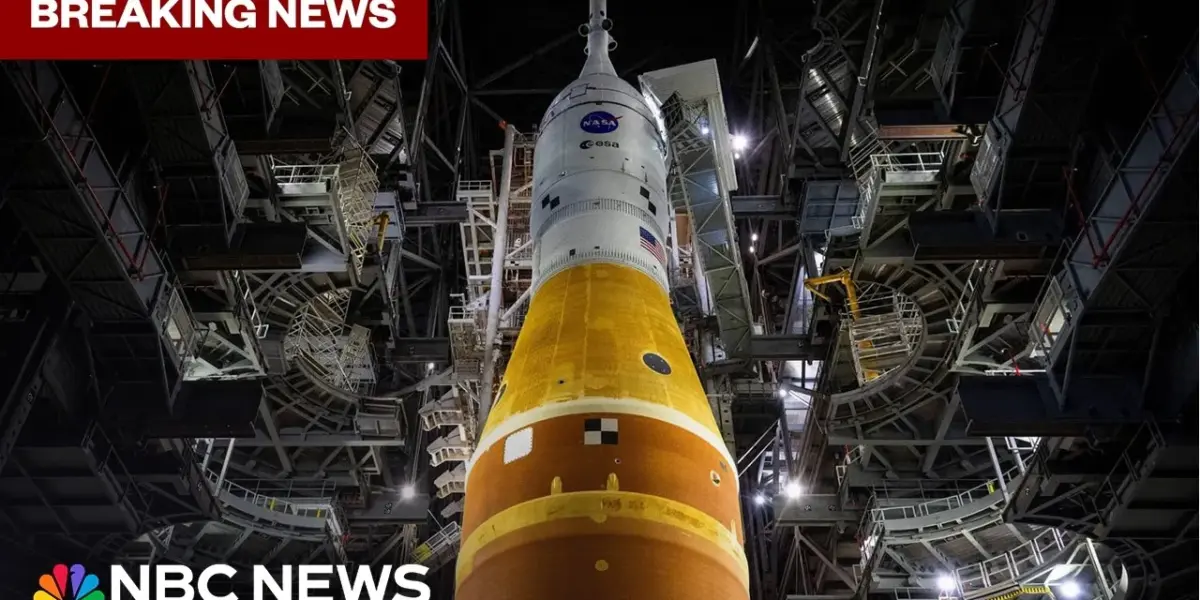
Countdown Begins for Artemis II Moon Mission
NASA is on the cusp of launching the Artemis II mission, sending four astronauts on a historic journey around the Moon. The launch is scheduled from the Kennedy Space Center, marking a significant step in humanity’s return to deep space. This mission is particularly noteworthy as it includes the first Black astronaut, the first woman, and the first Canadian to travel around the Moon, though the crew emphasizes their focus on unity and exploration over superlatives.
The mission is a crucial part of NASA’s broader goals, aiming for future Moon landings and eventually a mission to Mars. With much riding on its success, extensive preparations and monitoring are underway.
Weather Concerns and Launch Criteria
As the countdown progresses, a key factor remains the weather. Spotty showers have been observed in the area, and precipitation can halt a launch. NASA’s weather launch criteria are strict, including guidelines for lightning, clouds, precipitation, temperature, wind, and solar activity.
Specifically, launches are prohibited if lightning is observed within 12 miles in the preceding 30 minutes. Flights through cloud layers within six miles that have freezing temperatures, or through precipitation, are also not permitted. While winds are currently strong, they are within acceptable limits, and there is no severe solar activity reported. The forecast currently indicates an 80% chance of favorable weather, with showers expected to move out of the launch radius.
Crew and Vehicle Preparations
The four-person crew is already onboard the Orion spacecraft, which sits atop the powerful Artemis rocket stack. Commander Reid Wiseman, Pilot Victor Glover, Mission Specialist Christina Koch, and Canadian astronaut Jeremy Hansen are seated and ready. The crew module is being pressurized, and access panels are being sealed and locked, critical steps before the hatch is closed.
Orion is designed for deep space travel, and this mission will see the astronauts orbit the Earth for one day before embarking on a four-day journey to the Moon. This extended mission profile allows for a more flexible launch window compared to missions requiring precise rendezvous with the International Space Station.
A Global Spectacle
Thousands of people have gathered at Cape Canaveral, from various states and countries, to witness the launch. The atmosphere is described as a massive “star party,” with people of all ages eager to see history in the making. Many recall the Apollo missions from over 50 years ago, while others are experiencing a space launch for the first time.
The event is seen by many as a unifying moment, offering a sense of shared purpose and wonder amidst global challenges. Senator Mark Kelly, a former astronaut, highlighted the mission’s potential to bring the country together and emphasize shared human endeavor.
Geopolitical Significance and Future Ambitions
Beyond the immediate excitement, the Artemis program carries significant geopolitical weight. Senator Kelly pointed to a potential space race with China, which aims to land on the Moon by 2030 and establish a base. He stressed the importance of American leadership in space, not only for military and economic reasons but also for setting global standards and fostering international partnerships.
While NASA faces challenges, including some workforce attrition, Senator Kelly expressed confidence in the agency’s ability to achieve its goals with adequate resources and continued congressional support. The timeline for lunar landings, potentially in the late 2020s, is ambitious and depends heavily on sustained investment in the necessary technology, including landers and other critical systems.
Looking Ahead
As the final preparations continue, all eyes are on the countdown clock and the weather radar. The successful launch of Artemis II will not only be a triumph for NASA and its international partners but also a powerful symbol of human curiosity and our drive to explore the cosmos. The mission’s success will pave the way for future lunar missions and the long-term goal of sending humans to Mars.
Source: LIVE: NASA prepares to launch Artemis II astronauts around the moon | NBC News NOW (YouTube)

Related Articles


Astronauts Reconnect with Moon, Face Space’s Toughest Challenges
The Artemis II crew shared their tense journey toward the moon, highlighting the enduring challenges of space travel. From critical engine burns to unexpected plumbing issues, the mission underscores the practical realities of returning humans to deep space after a 50-year hiatus. This effort is a vital step for future lunar and Martian exploration.


Artemis II Crew Reports “Snow Day” as Mission Proceeds Smoothly
NASA's Artemis II mission is off to a smooth start, with astronauts reporting excellent spirits and the Orion spacecraft performing flawlessly. A planned course correction burn was deemed unnecessary, and the crew has captured stunning images of Earth. The mission continues to gather vital data for future lunar exploration.


Young Space Enthusiast Inspires Nation’s Space Ambitions
A young boy's viral enthusiasm for the Artemis space launch has reignited public interest in space exploration. His clear explanations and astronaut praise highlight a generation inspired by the cosmos. This renewed passion could shape future space policy and international cooperation.