Astronauts Discuss Apollo 11 Moon Landing Risks
Days before the Apollo 11 launch, astronauts Frank Borman, James McDivitt, and Thomas Stafford discussed the mission's risks and rewards on Meet the Press. They addressed public concerns, detailed technical preparations, and shared insights into the challenges and future of lunar exploration.


Astronauts Share Insights on Apollo 11 Mission Ahead of Launch
CAPE KENNEDY, FLORIDA – Just days before the historic Apollo 11 mission was set to launch, the astronauts who commanded previous lunar missions spoke with NBC News’ Meet the Press about the risks and rewards of landing on the Moon. The program, broadcast from Cape Kennedy, featured astronauts Frank Borman (Apollo 8), James McDivitt (Apollo 9), and Thomas Stafford (Apollo 10), alongside a panel of reporters.
Addressing Public Concerns About Mission Success
Despite the successes of earlier Apollo missions, concerns lingered among the American public about the potential failure of Apollo 11. Colonel Frank Borman addressed these worries directly, stating, “everything that is humanly possible has been done for Apollo 11.” He emphasized the dedication of the technicians, engineers, and the crew, describing them as being “at a razor sharp edge.” Borman also highlighted the astronauts’ belief in the value of their mission, not just for the country but for all of mankind. “As pioneers in the past, you’re willing to accept a certain amount of risks,” he explained, adding that they firmly believed the risks were minimized.
Colonel James McDivitt echoed this sentiment, finding it difficult to fully explain in words why the mission was worth the risk. “I think that we’re out to gain something that we can only gain by going,” he said. “When you weigh the not going versus the going, I think that we know that it’s worth it and it’s something that you feel down in your heart.”
Navigating Lunar Gravity and Technical Challenges
Colonel Thomas Stafford addressed a specific concern stemming from the Apollo 10 mission, where the lunar landing craft was four miles off course due to lunar gravity. He assured the audience that lessons had been learned. “What we learned from Apollo 10 was the fact that the lunar gravity pulled us actually 5 miles south of the landing site,” Stafford explained. “And so we’re going to target Apollo 11 to a false landing site that will then put it right over the center of the program landing site.” He clarified that the main issue with going off course was the rougher terrain south of the intended landing zone.
The Russian Space Program and Competition
The conversation also touched upon the ongoing space race with the Soviet Union. Peter Hackis of NBC News inquired about a Russian probe reportedly heading toward the Moon. Colonel Borman speculated that it was likely an attempt for an unmanned sample return. He acknowledged that if successful, it would demonstrate the advanced state of Soviet technology. However, Borman expressed confidence that an unmanned mission would not diminish the significance of Apollo 11’s human endeavor. When asked if the Russians had abandoned their moon landing efforts, Borman suggested they might have encountered technical difficulties but believed they intended to continue a strong manned space program.
The Toughest Moments and Future Missions
Reporters also pressed the astronauts on what they considered the most challenging aspects of the upcoming mission. Colonel McDivitt, who had experience with the lunar module, found it hard to pinpoint a single toughest moment. He described his philosophy as focusing on the present moment, as past achievements are done and future tasks are yet to come. He identified the descent, landing, and ascent as particularly exciting phases for Neil Armstrong and Buzz Aldrin. McDivitt also discussed his new role in management, helping to select future landing sites. He indicated that scientists might fly on future missions once the challenges of landing and exploration become better understood, and the spacecraft becomes more of a transportation system.
Ensuring Safety and Managing Expectations
The panel raised questions about potential technical issues, such as momentary gyrations experienced during Apollo 10’s mission. Colonel Stafford explained that thorough analysis had been done, and while a yaw rate gyro failed momentarily, increased testing and specific operating modes for Apollo 11 should prevent similar problems. He detailed the meticulous switch settings and checkout procedures involved in lunar module operations.
Frank Borman offered a personal estimate of 80% for the chances of Apollo 11 completing all planned objectives, citing the mission’s complexity and heavy workload. He expressed a slight concern about a potential feeling of complacency among the public due to a string of successes, warning that people might automatically assume success without appreciating the numerous challenges involved.
Advice for the Crew and Lunar Surface Operations
When asked what advice he would give Neil Armstrong just before liftoff, Colonel Borman stated, “good luck.” He explained that all other preparations had been made, leaving only the element of chance. Colonel McDivitt expressed confidence in the knowledge of the lunar surface, describing it as being similar to dirt and sand, and believed the astronauts would find a suitable landing area. He also noted that a return without landing would not be considered a failure but rather a gain of new knowledge, though he considered the possibility very small.
Regarding the planned two-person excursion on the lunar surface, McDivitt deemed it the safest and most effective way to gain knowledge. He acknowledged potential difficulties with the pressure suits and life support systems due to size and weight limitations but believed it was the best approach. The duration of the surface excursion, about 2 hours and 40 minutes, was determined by life support system capabilities and fatigue considerations, with a reserve built in for safety.
Looking Beyond the First Landing
The astronauts discussed the future of space exploration. Colonel Borman suggested the need for a continuing space program, perhaps including a large space station, and expressed interest in cooperation between the US and USSR in space, noting that space lacks direct military interests. Colonel McDivitt envisioned a future with lunar stations within 30 years, with missions moving from general exploration to concentrating on specific areas.
Thomas Stafford agreed that there would be no decline in interest among the crews and anticipated continued public engagement due to the information and benefits derived from space exploration. He suggested the next logical step would be the development of a large space station. When asked about the romantic perception of the Moon versus its scientific reality, the astronauts offered a poignant response, suggesting that even if proven to be dirt, dust, and rock, it would still represent love, kisses, and happiness.
Final Thoughts Before Liftoff
The program concluded with final thoughts on the mission’s significance. The astronauts reinforced their belief in the value of human judgment in exploration, even with advancements in unmanned missions. They emphasized the openness of the US space program and the overall benefit of sharing knowledge gained from space exploration. The discussion underscored the immense preparation, dedication, and inherent risks involved in humanity’s first journey to another celestial body, highlighting the courage and conviction of the Apollo 11 crew and the teams supporting them.
Source: Apollo 11: Meet the Press covers the first moon landing | NBC News Archives (YouTube)

Related Articles


US Reclaims Moon Lead, Igniting New Space Race
The Artemis II mission marks humanity's return to the Moon's vicinity after 50 years, showcasing stunning Earth views and global participation through the "Send Your Name to Space" campaign. This journey reignites US lunar ambitions, potentially sparking new international cooperation or competition in space exploration.

Astronauts Head to Moon Amidst Divided Nation
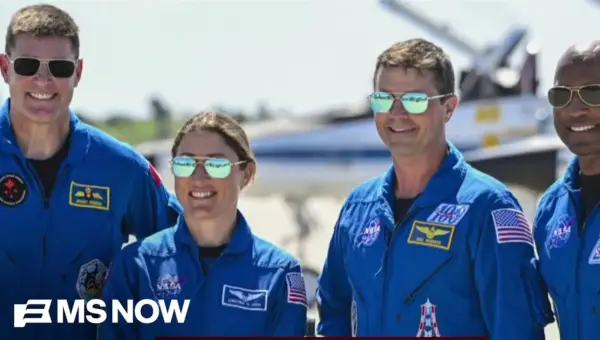
The Artemis II mission has launched, sending four astronauts towards the Moon in a journey that highlights both humanity's drive for exploration and the current divisions within society. While the launch captured global attention, it also sparked conversations about how fragmented media impacts shared national experiences.

Artemis II Fuels New Space Race Era
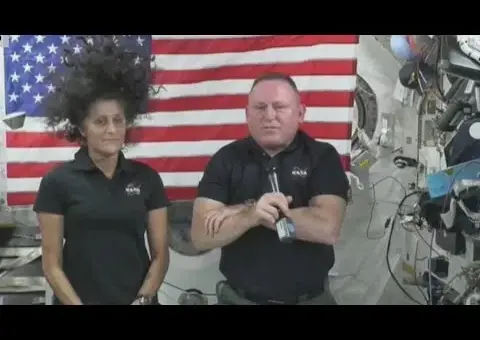
NASA's Artemis II mission, sending astronauts beyond the Moon for the first time in 50 years, signals a new era of space exploration. Astronaut Butch Wilmore's insights from past challenges and the mission's pristine progress highlight renewed ambition amidst global space competition. This journey is poised to reshape international relations and technological leadership.