Astronaut Shares Life Aboard ISS, Prepares Artemis II Crew
Former NASA astronaut Clayton Anderson discusses the realities of living in space, from the physical toll of microgravity to the awe-inspiring views of Earth. As the Artemis II mission nears splashdown, Anderson shares insights on spacewalks, mental adjustments, and the unexpected challenges astronauts face, offering inspiration for future space explorers.

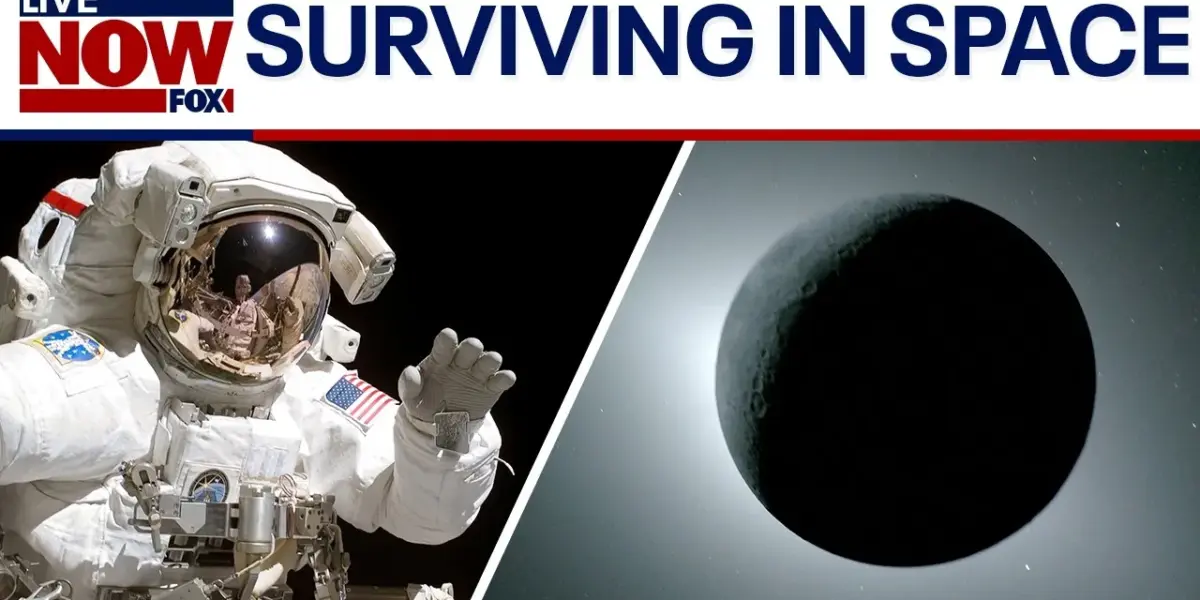
Astronaut Shares Life Aboard ISS, Prepares Artemis II Crew
Retired NASA astronaut Clayton Anderson, who spent nearly 167 days in space, offers a firsthand account of life aboard the International Space Station (ISS) and insights for the upcoming Artemis II mission. As the Artemis II crew prepares for their return, Anderson reflects on the physical and mental adjustments, the challenges of spacewalks, and the profound experience of viewing Earth from orbit.
The Return to Earth: Steak and Gravity’s Grip
Upon returning to Earth after extended missions, the cravings for familiar comforts are strong. For Anderson, it was a T-bone steak, medium-rare, with a loaded baked potato and a glass of Cabernet. While the Artemis II mission is a relatively short 10-day journey, the physical re-acclimation to Earth’s gravity can still be jarring. Anderson recalls his own experience after a 15-day shuttle flight, where he was able to walk and interact normally. However, he notes that astronauts returning from space often limit head movements initially to avoid severe nausea, a common side effect of microgravity’s impact on the inner ear.
Physical Toll: Muscle Atrophy and Bone Density
Long-duration spaceflight inevitably leads to muscle atrophy and a loss of bone mass. Anderson explains that while muscle mass can be regained with dedicated rehabilitation, bone density takes significantly longer to recover. He underwent two and a half hours of daily exercise for three weeks to restore his muscle strength after his missions. The effectiveness of exercise equipment in space has evolved. While early devices like the Interim Resistive Exercise Device (IRED) on the ISS in 2007 used cables, newer systems like the Advanced Resistive Exercise Device (ARED) employ hydraulic pistons. Astronauts using ARED report returning to Earth as strong, or even stronger, than when they left.
Mental Adjustments and the Post-Flight Schedule
Mentally, Anderson found the transition back to Earth manageable, aided by daily communication with his family. However, he anticipates a packed schedule for the Artemis II crew upon their return. This typically involves extensive debriefings, followed by national and international tours to share their experiences, particularly their journey around the Moon. The initial high of public attention and the excitement of recounting their mission can make the return to mundane, everyday life a gradual process. Many astronauts, Anderson notes, are eager to fly again soon after returning.
Spacewalks: Training, Anxiety, and Awe
With 38 hours and 28 minutes spent on six spacewalks, Anderson ranks among the most experienced. He emphasizes that NASA’s rigorous training effectively removes fear, replacing it with instinct and preparedness. While he never found spacewalks terrifying, there were moments of anxiety when troubleshooting unexpected issues. He vividly recalls his first spacewalk on July 23, 2007, when he witnessed the moon rising over Earth, describing it as one of the most beautiful sights he had ever seen. The initial egress from the airlock into the pitch-black void was a moment of profound realization, where the seriousness of the task and the need for precision became paramount.
“The training in the neutral buoyancy lab, the 6 million gallon of water swimming pool in Houston is very good. It gives you a great feel of what you’re going to experience in space.”
This extensive training, including simulations in large water tanks designed to mimic the weightlessness of space, ensures astronauts are prepared for the unexpected. Constant communication with mission control and a spacewalking partner also provides crucial support, keeping the astronaut focused and safe. While parts of spacewalks become easier with experience, certain tasks, like moving large equipment, can introduce new challenges and anxieties. Anderson’s sixth spacewalk involved replacing a massive ammonia tank, a complex operation that required careful coordination and problem-solving with his veteran partner.
The View from Above: Earth and the Vastness of Space
The experience of viewing Earth from space is consistently described as breathtaking. Anderson recalls looking out the windows of the ISS, recognizing continents and countries as if reading a map. This ability to orient oneself on Earth from orbit developed over his five-month stay. However, looking outward revealed the immense scale of the universe. Seeing celestial bodies like the moon, Venus, and Jupiter alongside the stars offered a profound sense of humanity’s smallness in the cosmos. He muses on the possibility of extraterrestrial life, given the universe’s vastness.
Beyond the Manual: Unexpected Challenges
Spaceflight is meticulously planned, yet unexpected issues can arise. Anderson shares a humorous account of a broken Russian-made toilet on the ISS. With the Russian control team unavailable on a Friday night, he had to use the toilet facilities on a Soyuz spacecraft. This led to his unique claim of having used the restroom in four different spacecraft. He highlights the practical difficulties of space sanitation, noting the absence of running water and the need for extreme care in containment. This experience underscores the logistical complexities of even basic bodily functions in space, making confined living spaces, like the Orion capsule, particularly challenging.
Living in Close Quarters: The Artemis II Capsule
Living in confined spaces with a small crew presents its own set of challenges. While the ISS offered ample space to find solitude, the Orion capsule for the Artemis II mission is significantly smaller. Anderson likens the experience to a “Volkswagen minibus,” suggesting that maintaining personal space and avoiding friction would be difficult, even for a short duration. He jokes that for a future trip to Mars, he would require a spaceship at least three times the size of the current space station modules.
Inspiration for Future Astronauts
For aspiring young astronauts, Anderson offers a message of encouragement, particularly to those from small towns. He draws from his own background, emphasizing that a dream, hard work, and a bit of luck can lead to achieving extraordinary goals. He hopes his journey inspires countless children worldwide to pursue their own ambitions, no matter how distant they may seem.
Clayton Anderson continues to share his experiences and knowledge through his website, astroclay.com, where he has published children’s books, a memoir, and a Q&A book, making the wonders of space accessible to all.
Source: Former NASA astronaut talks living in space as Artemis II mission continues (YouTube)

Related Articles
NASA Tests Heat Shield for Crewed Artemis Return
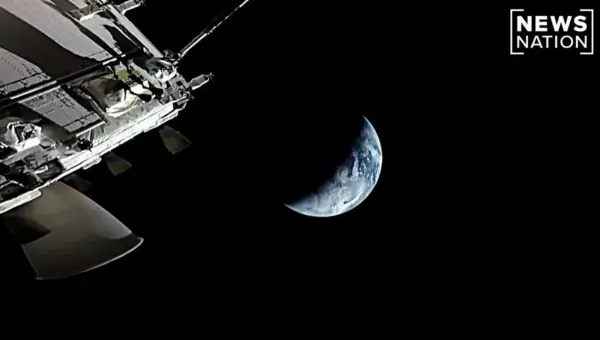
NASA is conducting extensive tests on the Orion spacecraft's heat shield for the upcoming Artemis II mission. This shield is critical for protecting astronauts from extreme temperatures during Earth re-entry. Following observations from Artemis I, NASA has performed significant testing and expressed confidence in the system's safety.


Artemis II Crew Faces Risky Reentry After Historic Moon Mission
The Artemis II crew is set to splashdown off the coast of California after a historic mission to the far side of the Moon. They face a perilous reentry into Earth's atmosphere, with the spacecraft's heat shield under intense scrutiny. This mission paves the way for future lunar and Mars exploration.

Artemis II Crew Relives Launch; Moon Landing Eyed by 2028
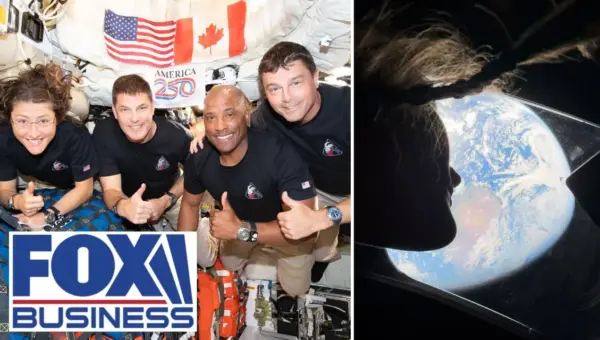
The Artemis II crew reflected on their mission, with launch being a standout moment they'd relive. As the Orion capsule prepares for splashdown, discussions turn to the future, with hopes of lunar landings by 2028 and significant technological and commercial advancements.