Astronaut Reveals Moon Base Plan for Mars Missions
Veteran astronaut Butch Wilmore explained that establishing a base on the Moon is crucial for future Mars missions. He noted the need to learn how to operate far from Earth before attempting the journey to Mars. The current era of space exploration is exciting but requires sustained effort and public support.

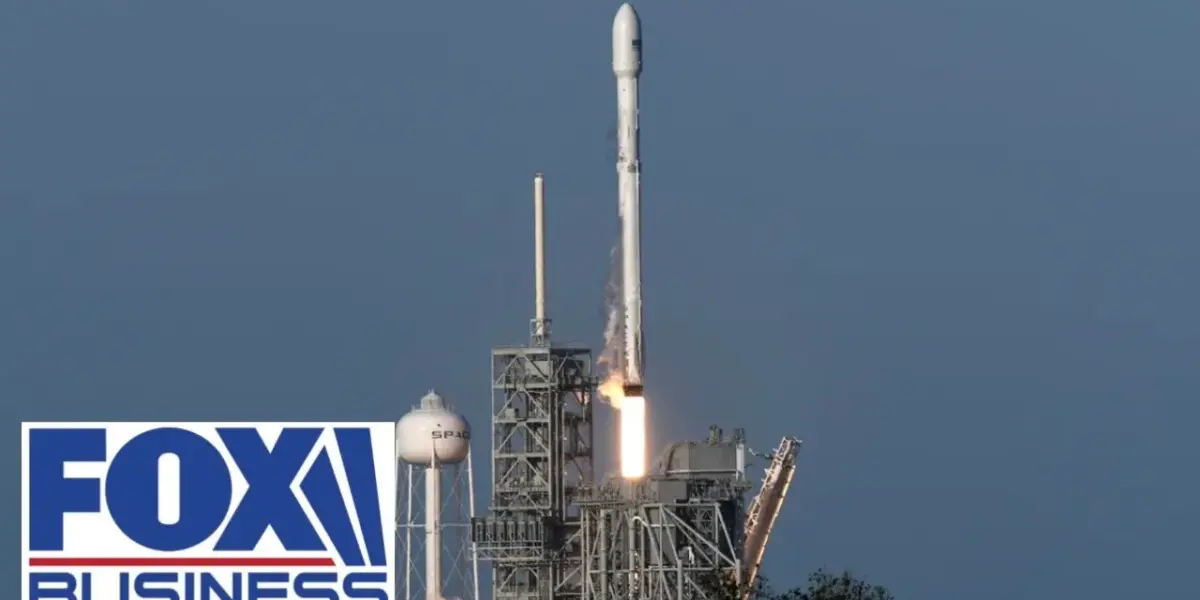
Astronaut Highlights Need for Lunar Base to Reach Mars
Veteran astronaut Butch Wilmore shared insights into humanity’s next giant leaps in space exploration, emphasizing the critical need for a lunar base to support future missions to Mars. Wilmore, who has spent significant time aboard the International Space Station (ISS), including a 286-day mission, spoke about the current exciting era of space travel and the long-term goals of space agencies.
A Thrilling Age for Space Travel
Wilmore described the current period as a “thrilling age,” pointing to the remarkable achievements in space. He noted the International Space Station’s continuous 25-year presence in orbit, a testament to human ingenuity and technological advancement. Simultaneously, missions are now sending crews around the far side of the Moon. Wilmore expressed his deep appreciation for viewing Earth and the cosmos from space, calling it something truly amazing and cherished. However, he firmly stated that Earth is the place for the long haul.
The Call of the Cosmos
Despite his grounded perspective, Wilmore confirmed he would absolutely return to space if given the opportunity. He explained that an astronaut’s focus is always on the mission’s tasks and objectives. “If there’s a reason to focus on that, any astronaut would,” he stated. This dedication highlights the commitment required for extended space missions.
Public Enthusiasm vs. 1960s Era
When asked about public enthusiasm for space exploration today compared to the 1960s, Wilmore felt it had not reached the same level. He noted that young people might not be as captivated as they were during the Apollo era. However, he also acknowledged a persistent passion he encountered during his career. “Everywhere I went… people asked, ‘Why are we not back to the Moon? Why are we not doing those great things this nation can do?'” he recalled. Wilmore believes this passion is gaining momentum with recent accomplishments.
Lunar Base: The Stepping Stone to Mars
The core objective Wilmore discussed is establishing a base on the Moon. This lunar outpost would serve as a “forward camp,” a crucial staging ground for missions to Mars. “We want to learn to operate away from Earth,” Wilmore explained. He drew a parallel to the International Space Station, which allows astronauts to learn operations in low Earth orbit.
Learning to Live Off-World
Wilmore highlighted the difference in return times from different locations. He mentioned a recent situation where a crew needed to return from low Earth orbit fairly quickly, which was accomplished. However, returning from the Moon in an extreme emergency would take several days. This stark difference underscores the need for practice and development of skills for operating far from home. “We need to learn to operate away from the home planet, the intricacies of how to do it and do it well before we branch out and go beyond,” he stated. Mars is presented as the next logical destination after mastering operations around the Moon.
What Investors Should Know
The push towards establishing a lunar base and eventually reaching Mars signals a significant long-term investment horizon for the space industry. Companies involved in rocket technology, life support systems, lunar construction, and deep space communication could see increased demand and funding. The development of a Moon base requires new technologies and infrastructure, potentially creating opportunities in materials science, robotics, and energy solutions for off-world applications. While direct consumer products may be far off, the foundational technologies developed for these ambitious missions often find their way into terrestrial applications, benefiting various sectors.
Sector Context
This strategic focus on lunar and Martian exploration places companies within the aerospace and defense sectors at the forefront. It also extends to technology providers supporting complex missions, from advanced computing to specialized materials. The ongoing presence on the ISS demonstrates the viability of sustained human presence in space, but the leap to the Moon and Mars requires overcoming significant logistical and technological hurdles. Government funding, such as through NASA’s Artemis program, will likely drive much of this development, but private sector innovation and investment are becoming increasingly critical.
Long-Term Implications
The establishment of a lunar base is not just about scientific discovery; it’s about developing the capabilities for humanity to become a multi-planetary species. This long-term vision requires sustained commitment and technological advancement. For investors, this means looking beyond short-term gains and considering the companies and technologies that are building the infrastructure for future space endeavors. The journey to Mars, facilitated by a lunar stepping stone, represents one of the most ambitious and potentially rewarding frontiers for human innovation and investment in the coming decades.
Source: AWAY FROM HOME: Veteran astronaut reveals what must be done to further space ambitions (YouTube)

Related Articles


Artemis II Crew Returns: A New Era of Lunar Exploration
The Artemis II crew has safely returned to Earth after a historic 10-day mission around the Moon, marking a significant step in humanity's return to deep space. The astronauts shared profound reflections on their journey, emphasizing teamwork, the beauty of Earth, and the importance of continued exploration. This mission paves the way for future lunar landings and eventual journeys to Mars.

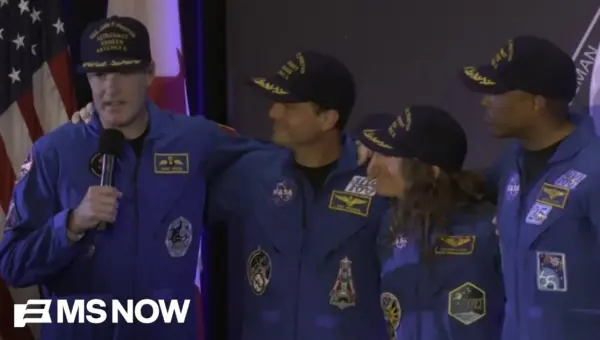
Artemis II Astronauts Share Emotional Homecoming Reflections
The Artemis II astronauts have returned, sharing emotional reflections on their historic 10-day lunar test mission. Commander Reid Wiseman, Pilot Victor Glover, Mission Specialist Christina Koch, and Mission Specialist Jeremy Hansen spoke of profound human experiences, deep gratitude, and the unique bond formed during their journey. The mission successfully tested critical systems for NASA's return to the Moon.

Artemis II Crew Shares Profound Earthly Insights
The Artemis II crew returned with profound insights, emphasizing the shared human experience and a renewed appreciation for Earth over scientific data. Their reflections highlight gratitude, teamwork, and a call for deeper understanding, offering a global perspective on our interconnected planet.