Astronaut Recounts Space Medical Scare, Informs Future Missions
Astronaut Mike Fincke detailed a recent medical emergency aboard the ISS that led to his return to Earth. While doctors ruled out serious conditions like stroke, the exact cause is still being studied, with theories pointing to a space-related anomaly. The experience is providing crucial data for future long-duration missions, including NASA's Artemis program.

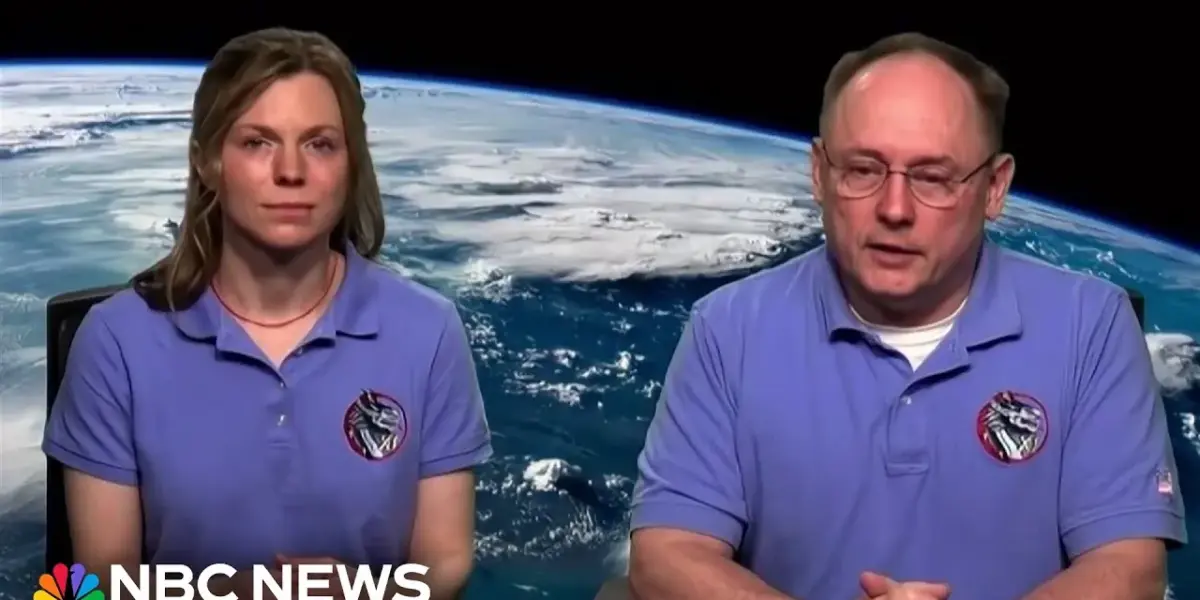
Astronaut Mike Fincke Details Space Station Medical Emergency
NASA astronaut Mike Fincke has shared new details about a medical emergency he experienced aboard the International Space Station (ISS) that led to his early return to Earth. This event marks the first time an astronaut has been evacuated from the station due to a medical issue. Fincke, speaking alongside Commander Zena Cardman, described the incident as a significant event that provided valuable lessons for future space exploration.
A Return to Earth and Recovery
Fincke expressed gratitude to his crewmates, particularly Commander Cardman, for their care and quick actions while he was on the station. “Thanks to my great crewmates and especially Zena here, they made sure that I was okay on board the space station and that we got stabilized,” Fincke said. After initial stabilization, the crew could not determine the exact cause of his symptoms. This led to the decision to return to Earth for further medical evaluation.
Upon returning, Fincke underwent extensive scans and tests. He reported that he is now doing “fantastic,” calling it a good outcome given the circumstances. “I’m doing great and I’m grateful to my crewmates to help me get back into the whole team, to help us get back to beautiful planet Earth,” he stated. Since his return, Fincke has been spending time with his family and enjoying familiar foods.
Uncertain Diagnosis and Space-Related Theories
While the exact cause of Fincke’s medical issue remains under investigation, doctors have ruled out serious conditions like stroke or heart attack. “It was one of those things that the doctors are still scratching their heads,” Fincke admitted. “But the good news is that we got a lot of good data to show that it wasn’t anything bad.” This information is crucial for understanding the potential health risks of space travel.
The prevailing theory is that the event was space-related. “We’re almost 100% sure that this is a space-related thing,” Fincke explained. As humanity plans longer and more ambitious space missions, understanding how zero gravity and the space environment affect the human body is becoming increasingly important. “As we explore space more and spend time in zero gravity, it’s really good to know the things that can get us and come up with countermeasures,” he added.
Implications for Future Missions, Including Artemis
The lessons learned from Fincke’s experience are already being considered for future NASA missions, including the upcoming Artemis missions, which aim to land humans on the Moon and eventually Mars. Commander Cardman highlighted the importance of gathering sufficient data in orbit to make critical decisions, especially when far from Earth.
“We have to think a lot about, you know, what kind of data do we need while we’re still in orbit and far from Earth, in order to make the decisions that we may need to face?” Cardman stated. She believes that Fincke’s crew handled the situation admirably and that the event serves as a valuable learning experience. “I think this is actually a really great exercise, and we’ll be able to apply these lessons as we go farther afield,” she concluded.
Advice for Future Astronauts
Reflecting on his experience, Fincke offered advice to astronauts preparing for long-duration missions. His core message emphasizes the need for preparedness and resilience in the unpredictable environment of space.
“We need to be ready for just about anything at any time,” Fincke advised. This sentiment underscores the inherent risks and challenges associated with human spaceflight and the importance of thorough training and adaptable mission protocols.
Broader Context: Space Travel and Human Health
The incident involving Mike Fincke brings renewed attention to the physiological challenges astronauts face. Space travel can significantly impact the human body, leading to bone density loss, muscle atrophy, and changes in vision, among other effects. Understanding and mitigating these risks is paramount for the success of long-term space exploration.
According to Associated Press reports, Fincke suddenly lost his ability to speak during the event, though it was not attributed to a stroke or heart issue. This specific detail, while not fully elaborated on by Fincke, highlights the unknown nature of some medical events in space. The need for advanced medical equipment and potentially more sophisticated astronaut training regarding medical emergencies is clear. As missions become longer and travel farther from Earth, the ability to diagnose and treat medical issues autonomously will be critical.
Looking Ahead
The ongoing analysis of Fincke’s medical event will likely inform the development of new medical protocols and equipment for future space missions. NASA’s commitment to astronaut safety remains a top priority as the agency pushes the boundaries of human exploration. The data gathered from this incident will be invaluable in ensuring the well-being of astronauts venturing to the Moon, Mars, and beyond.
Source: NASA astronaut shares more details on medical emergency that prompted first-ever ISS evacuation (YouTube)

Related Articles


Astronaut Recovers From Mystery Space Illness, Inspires Future Missions
Astronaut Mike Fincke has shared details about a mysterious medical emergency he experienced aboard the International Space Station, which led to his early return to Earth. While the exact cause is still under investigation, doctors believe it was space-related, providing crucial data for future deep space missions.

NASA Pivots: Mars Nuclear Probe, Moon Base Ahead
NASA is pivoting its exploration strategy, prioritizing a nuclear-powered Mars probe and accelerating plans for a moon base. The International Space Station's future is uncertain, with a shift towards commercial platforms. Meanwhile, new telescope data reveals overmassive black holes in dwarf galaxies and captures stunning images of Saturn and the Crab Nebula.


US Military Pursues Secret Tech, Lunar Base Plans Emerge
Reports indicate the US military and defense contractors are exploring advanced technologies, possibly reverse-engineering unknown craft. Concurrently, NASA plans a lunar base, while millions of UAP-related files are allegedly deleted, raising transparency concerns. These developments could reshape global power dynamics.