Asian Parents Show Love Through Acts, Not ‘I Love You’
Asian parents often show love through acts of service rather than saying 'I love you' or physical affection. This cultural difference impacts dating and highlights a generational need for verbal affirmation.

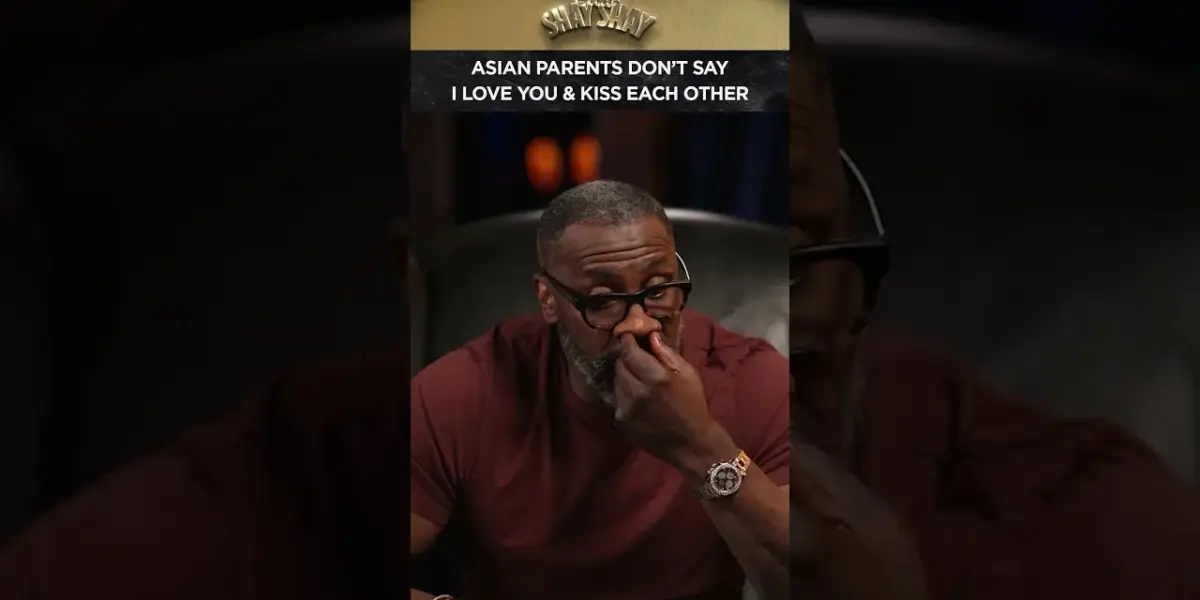
Asian Parents Show Love Through Acts, Not ‘I Love You’
Many Asian parents show their love not with words like “I love you” or with hugs, but through actions. This difference in expressing affection was a key topic on Club Shay Shay, highlighting a cultural divide in how love is shown between generations.
“We never say I love you. They never There’s no physical touch necessarily. I never seen my parents kiss each other,” one speaker shared. This lack of outward affection might seem unusual to some, but it doesn’t mean love isn’t present. It’s just expressed differently.
Love Through Service
Instead of verbal affirmations, many Asian parents focus on acts of service. This means they show they care by doing things for their children and partners. “But they always there for each other. Like now they’re in the 70s, they might argue, but my mom’s always there to pick up my dad, you know, from the airport. They always there for each other when they need something. They cook for each other every night,” one guest explained. This way of showing love is deeply rooted in their culture, focusing on support and care through practical means.
This difference can sometimes create challenges, especially in dating. “And I find that difficult too you know uh in in my dating life when people the I love you part is very hard for me to say not that I don’t love anyone it’s just I have saying that,” another speaker admitted. Instead of saying the words, they prefer actions. “I would rather make a meal for you that’s how I show my love or like I would rather you know uh uh give you a ride or like help you out with something help you build a piece of furniture I don’t know,” they added.
Generational Differences
The idea that love is shown through providing and caring is a strong belief. “I mean the the love is that you got food on your table, you got clothes on your back, you got a roof over your head. That’s I love you. That’s it. Yeah. I’m taking care of you,” was a common sentiment. This focus on basic needs being met is seen as a direct sign of love and commitment. It means, “I’m taking care of you,” rather than saying it directly.
This approach is also seen as an “old school” and generational thing. It’s how many were raised. “I knew my grandparents loved me. I had food. Uh I knew I had the best that they could afford to give me. But this I love you, I love you and and come here and give your grandpa a hug. A great that a that ain’t that ain’t how I was raised,” one person recalled.
The Need for Affirmation
While acts of service are important, the conversation also touched on the importance of verbal affirmation and emotional support, especially for mental well-being. “And it’s it’s like old school also. It’s a generational thing. And also I I do think that that’s one thing like um like the mental health of it all. Like it doesn’t it doesn’t hurt to say I love you or give your kids some credit,” a speaker suggested. They believe Asian parents could improve in this area.
One speaker shared a powerful story about their experience in the entertainment industry. “Man, I remember when I first uh got on TV, you know, like just two lines here and there. My dad never said good job, anything, you know, and I was just waiting for that.” This lack of praise can be difficult for children seeking validation. The turning point came when a friend’s mother, Melinda Weathersby, left a voicemail after seeing them on TV. “I saw you on this talk show and you were so eloquent. You did a great job,” the message said.
This simple message had a profound impact. “And it was like a 50-second voice message that I still have on my phone. And and it makes me emotional because nobody’s ever said that to me, you know, weirdly, right?” The speaker emphasized how much this meant, especially coming from someone they barely knew. “And it was my friend’s mother who was a school teacher who I met twice left me that voice message. Wow. And I still save it on my phone.” It highlights a universal need for encouragement and recognition, regardless of cultural background.
The takeaway is clear: while acts of service are a strong form of love in many Asian families, verbal and emotional support is also crucial. “And it’s important. I think every Asian kid is dying for a hug. Every Asian kid is dying for that voice message that I got from Melinda,” the speaker concluded, underscoring the emotional needs that complement practical care.
“I think every Asian kid is dying for a hug. Every Asian kid is dying for that voice message that I got from Melinda.”
Source: Asian Parents Don’t Say I Love You & Kiss Each Other I CLUB SHAY SHAY (YouTube)

Related Articles

Asian Parents’ Love Language: Acts of Service Over ‘I Love You’
Many Asian parents express love through acts of service rather than verbal declarations or physical affection. This conversation explores the impact of this communication style and the growing desire for more open affirmation, especially among younger generations.

Comedian Mark Normand on Code-Switching and the N-Word
Comedian Mark Normand joined Club Shay Shay to discuss code-switching and the complexities surrounding the N-word. He shared his personal views on authenticity and drew analogies to explain why certain language is specific to particular groups. Normand also praised Dave Chappelle's unique talent and recounted some of his own past experiences with danger in New York City.

Jimmy O. Yang: From Hong Kong to Hollywood Stardom
Jimmy O. Yang joined Shannon Sharpe on Club Shay Shay to discuss his journey from Hong Kong to Hollywood. He shared insights into landing his role in 'Crazy Rich Asians,' his comedy influences like Dave Chappelle, and the importance of authentic representation in entertainment.