Asia Faces Oil Shortages as Middle East War Disrupts Global Energy
A war in the Middle East has triggered widespread oil and gas shortages across Asia, leading to protests, rationing, and long fuel lines. The crisis, described as the largest supply disruption in history, is forcing governments to take drastic measures and is creating economic strain throughout the continent. Analysts are closely watching the Strait of Hormuz and diplomatic efforts to ease the energy emergency.

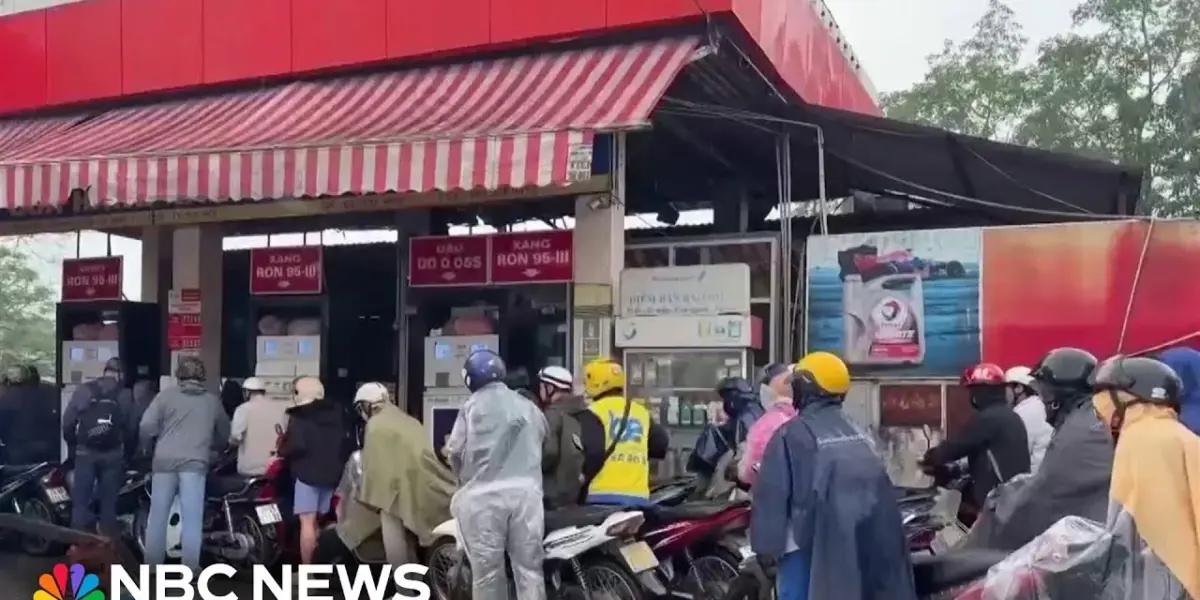
Asia Gripped by Energy Crisis as Middle East Conflict Sparks Oil Shortages
A war in the Middle East is causing major energy disruptions, with the shockwaves being felt most acutely in Asia. Millions across the continent are facing oil and gas shortages, leading to protests, rationing, and long lines for fuel. The crisis threatens to cripple economies and has prompted governments to take drastic measures to secure vital energy supplies.
Widespread Impact Across Asia
The energy emergency is evident from India to Cambodia. In India, shortages have triggered protests. Bangladesh has implemented rationing measures for its citizens. Countries like Pakistan, Cambodia, and Vietnam are experiencing long queues at gas stations. Sri Lanka has shortened workweeks to conserve electricity, while in Thailand, news anchors are forgoing air conditioning to save power.
Philippine President Declares National Emergency
The situation is so severe that the President of the Philippines declared a national emergency. This move aims to prevent what the International Energy Agency (IEA) calls the largest supply disruption in the history of the global oil market. The Philippines is now at the forefront of an energy crisis that could have devastating consequences for the entire continent.
Taiwan’s Vulnerability and the Strait of Hormuz
Taiwan, a key player in the global tech industry, is particularly vulnerable. Over 95% of its energy is imported, with most of it coming from the Persian Gulf. The ongoing conflict has choked maritime traffic, especially through the Strait of Hormuz, a critical chokepoint for global energy. About one-fifth of the world’s oil passes through this narrow waterway, connecting the Gulf to the Indian Ocean.
Iran’s Statement and Lingering Concerns
Iran has stated that non-hostile ships can transit the Strait of Hormuz safely, provided they do not support acts of aggression against Iran and obtain permission from Iranian authorities. However, maritime tracking data shows that traffic through this vital energy corridor remains significantly below normal levels. This suggests that despite the statements, uncertainty and risk continue to deter many vessels.
China’s Response and Economic Strain
Even China, with its substantial energy reserves, is feeling the pressure. It was the first Asian country to ban fuel exports following the conflict’s escalation. Despite government controls, fuel prices have been steadily increasing. A rideshare driver in China noted the huge impact, stating it’s becoming difficult to earn a living.
Strategic Reserves and Calls for Conservation
U.S. allies like Japan and South Korea are tapping into their strategic oil reserves to meet demand. However, they are also urging their populations to conserve energy. Citizens are being asked to reduce their electricity usage, from taking shorter showers to limiting the charging of electronic devices. These measures highlight the depth of the energy scarcity.
U.S. Seizes Opportunity Amidst Crisis
The energy crisis in Asia has created an opportunity for U.S. energy companies. The U.S. government announced significant gas deals worth $57 billion with several Asian nations, including Taiwan. Taiwan’s semiconductor industry alone consumes 10% of the island’s electricity, underscoring the urgent need for stable energy sources.
A Continent on Emergency Footing
Across Asia, countries are operating on an emergency footing. With dwindling supplies, rising prices, and the threat of further disruptions, the continent faces a challenging period. The long-term implications of this energy crisis are still unfolding, impacting economies, daily life, and international relations.
What to Watch Next
The world will be closely watching the developments in the Middle East and their impact on global energy markets. Key factors to monitor include the duration and intensity of the conflict, Iran’s actions regarding the Strait of Hormuz, and the effectiveness of conservation efforts and strategic reserve usage by Asian nations. The success of new energy deals and diversification of supply routes will also be crucial in mitigating this unfolding crisis.
Source: Energy disruptions from Iran war trigger sprawling oil shortages across Asia (YouTube)

Related Articles
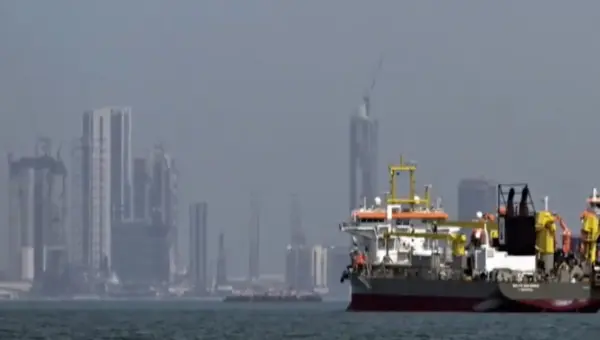
Iran Blocks China Ships, Exposing Beijing’s Weak Grip
Iran's recent decision to block Chinese ships at the Strait of Hormuz is exposing the limits of Beijing's influence in the Middle East. This action is causing delays and cancellations for Chinese manufacturers, turning a perceived geopolitical win into an economic strain.
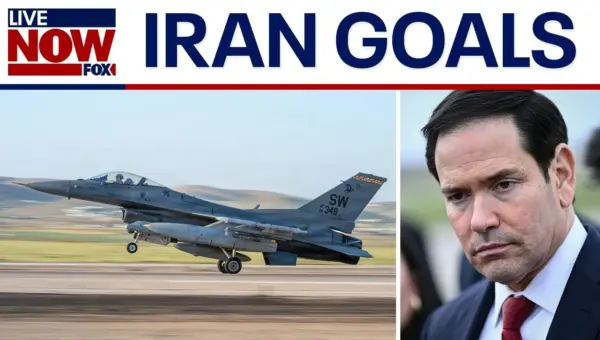
Rubio: US Can Achieve Iran War Goals Without Troops
Senator Marco Rubio outlined a strategy to counter Iran without deploying U.S. ground troops, focusing on weakening the regime and enhancing maritime security. He also criticized Cuba's economic system and expressed concerns about West Bank violence.


Israel Escalates Iran Strikes, Warns of Wider War
Israel has launched significant strikes inside Iran following continued missile fire, warning of further escalation. The conflict risks wider regional instability and economic disruption, especially concerning the Strait of Hormuz.