Asia Beckons: Geopolitics Shift Capital to Hong Kong, Singapore
Geopolitical shifts are redirecting capital and talent towards Asia, with Hong Kong and Singapore emerging as key beneficiaries. Animoca Brands is investing in Avalanche to tap into youth markets, while discussions highlight the evolving role of AI agents and the future of blockchain gaming.

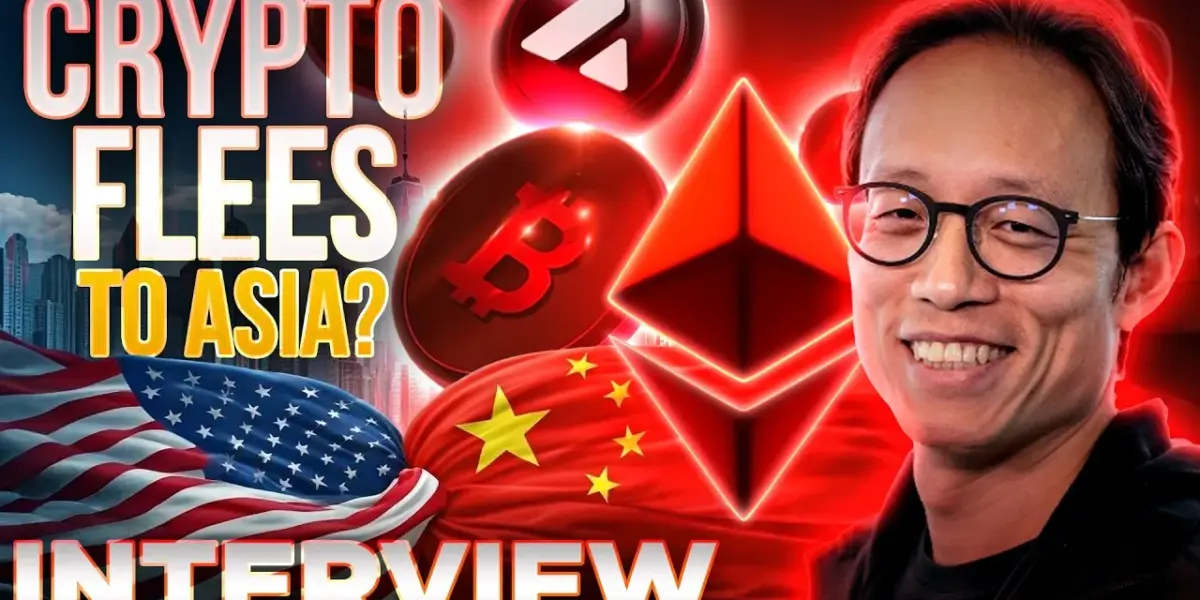
Asia Beckons: Geopolitics Shift Capital to Hong Kong, Singapore
Global instability is prompting a significant shift in capital and entrepreneurial talent, with many individuals and businesses reconsidering their bases. Yat Siu, Chairman of Animoca Brands, notes that regions in Asia, particularly Hong Kong and Singapore, are viewing current global events as opportunities. This comes as some financial and growth-focused capital previously centered in Dubai now looks towards other parts of the world.
A Tale of Two Nomads
Siu identifies two main groups of people on the move. The first are ‘tourists’ seeking attractive, low-tax environments, heading to places like Bali, Bangkok, and Phuket. The second group is more strategic, looking to establish operational bases. For these individuals and companies, Hong Kong and Singapore are emerging as prime destinations.
The Rise of an Asian Age
The current geopolitical climate in the Middle East is signaling a potential shift towards an “Asian/Chinese age,” according to Siu. He highlights that Hong Kong and Singapore are now perceived as stable and safe places for business. This perception is bolstered by the absence of direct conflict or threats that might arise from regional tensions, unlike in some other global hubs.
The uncertainty stemming from global conflicts creates unease. While places like Dubai have attracted significant capital due to their business-friendly environments, Siu suggests that a period of adjustment may be ahead. He draws a parallel to Hong Kong’s recovery after the COVID-19 crisis, indicating that while Dubai will likely remain a strong hub, it might face a challenging couple of years as confidence rebuilds.
The Meme War and Digital Influence
The conversation also touched upon the unique ways nations are engaging in digital influence. The transcript highlighted a “meme war” involving Iran and former U.S. President Donald Trump. Iran has utilized humor, pop culture, and artificial intelligence (AI)-generated content, including elaborate Lego-themed videos, to engage in online trolling and commentary. These efforts demonstrate a sophisticated understanding of cultural trends and digital communication.
Siu observed that the creators of these meme campaigns are deeply connected to American culture, effectively using memes as designed. This tactic reflects a broader trend where cultural narratives are increasingly intertwined with geopolitical messaging, a strategy that has become more prominent in recent years.
Animoca Brands Invests in Avalanche for Consumer Growth
In a significant development, Animoca Brands has announced an investment in Avalanche, a blockchain platform. While financial details were not disclosed, the investment underscores Animoca’s focus on consumer expansion, particularly in fast-growing youth markets in Asia and the Middle East. The goal is to drive users into the Avalanche ecosystem.
Siu explained that Avalanche’s commitment to consumer expansion aligns with Animoca’s core strategy. The investment reflects a belief in Avalanche’s potential to reach and engage young, active populations who are increasingly interested in blockchain and digital technologies, especially with the rise of AI.
The Future of AI and Agentic Platforms
Animoca Brands is also developing a product called “Animoca Minds,” which features AI agents. Siu described it as a platform that allows users to create and manage numerous AI agents, each with persistent memory and the ability to communicate with each other. This system is designed to be highly scalable, potentially supporting billions of agents.
These agents can perform tasks, build applications, and share skills within a network. The platform aims to simplify user interaction with AI, making advanced capabilities accessible even to those without deep technical knowledge. Siu believes this agentic approach, where AI works collaboratively, will be crucial for onboarding the next wave of users into Web3 technologies.
Navigating Crypto Regulation: The Clarity Act and Beyond
The discussion also addressed the regulatory environment in the United States, specifically concerning the Clarity Act and stablecoins. Siu believes that the SEC’s existing regulatory stance has already provided significant clarity, meaning the Clarity Act’s passage might not be a major disruption. He suggests that even without specific provisions for yield, innovation will continue.
While the U.S. remains a strong market for investment capital, the absence of clear regulations elsewhere could still lead to capital flight. However, Siu argues that stablecoin legislation globally often restricts yield, and alternative methods for earning returns exist. He anticipates that as stablecoins become more widespread, user demand will drive regulatory adaptation.
The impact on the average user who may not be sophisticated in decentralized finance (DeFi) or complex investment strategies was also considered. The possibility that AI agents could help bridge this knowledge gap by finding optimal solutions for users was presented as a promising development.
Asia’s Financial Hubs: Hong Kong vs. Singapore vs. Japan
When discussing the future financial centers of Asia, Siu identified Hong Kong as the undisputed “New York of Asia” due to its capital market size, international outlook, and strategic location. While Singapore is a strong financial hub, Hong Kong’s stock exchange and global connectivity give it an edge.
Japan, despite its crypto-friendly policies and institutional drive towards tokenization, is viewed as more of a domestic market. Its language barrier and focus on internal markets make it less of an international financial hub compared to Hong Kong. The institutional adoption in Japan contrasts with the more consumer-driven approach seen in other Asian regions.
The Future of Blockchain Gaming
Addressing the notion that blockchain gaming is not returning, Siu disagreed, citing industry veteran Lily Liu’s comments. He believes that while the form of blockchain gaming might evolve, its integration with financial systems and cultural elements is inevitable. Siu compares blockchain gaming to gamified finance, where lessons from gaming—like engagement, accessibility, and leveling systems—are applied to financial products.
He argues that platforms like Roblox, which pay billions to creators while taking a significant profit share, demonstrate the potential for blockchain to create more transparent and equitable systems. Virtual currencies and in-game assets powered by blockchain could offer players more control, tradability, and even leverage, fundamentally changing the gaming economy.
Nvidia’s AI Claims and Market Perception
The conversation briefly touched upon a controversy surrounding Nvidia CEO Jensen Huang’s comments on AI technology, particularly concerning its application in gaming. Discrepancies arose between Huang’s statements about generative control at the geometry level and claims that Nvidia’s DLSS technology uses 2D frames and motion vectors. This has led to questions about transparency and the technical details of Nvidia’s AI advancements.
Despite the technical debate, Siu suggested that Huang’s personal goodwill and reputation might mitigate the negative impact on Nvidia’s market perception. In a world increasingly influenced by character and perceived trustworthiness, positive public sentiment can sometimes outweigh factual disputes, especially for well-regarded public figures.
Source: Crypto EXODUS🔥Iran War Pushes Billions Toward Asia 🚨Yat Siu INTERVIEW🚀Animoca Brands (YouTube)

Related Articles


Forget Paris! Comedian Rips French Food, Praises Asia
A comedian is sparking debate by calling French food terrible and urging travelers to explore Asia instead. He specifically praised Hong Kong for its diverse, high-quality cuisine and modern appeal, contrasting it with his view of Paris and even Los Angeles.
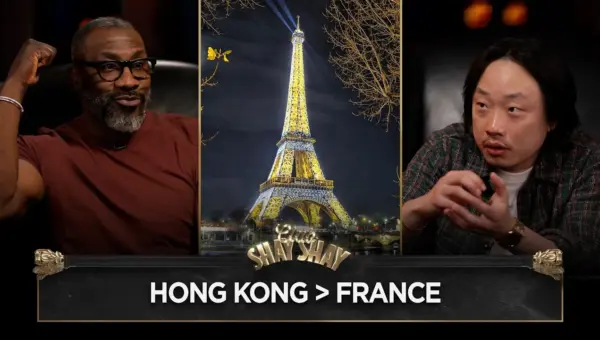
Jimmy O. Yang Slams Paris, Praises Asia’s Food Scene
Comedian Jimmy O. Yang strongly criticized French food and the romanticized view of Paris, advocating instead for the vibrant culinary scene and modern appeal of Hong Kong and other parts of Asia. He argued for greater appreciation of Asian languages and cultures.
Japan Reclassifies China: A Bold Shift in Asian Diplomacy
Japan has downgraded China's status from a top partner to an "important neighbor" in its new diplomatic blue book. This reflects growing concerns over China's regional actions and Japan's desire to reduce its dependence on Beijing.