Asbestos: The Dangerous Miracle Mineral We Can’t Quit
For centuries, asbestos was hailed as a miracle material for its fire-resistant properties. However, its microscopic fibers are now known to cause devastating diseases like asbestosis and mesothelioma. Despite decades of evidence and cover-ups, asbestos continues to pose a threat in unexpected modern products.

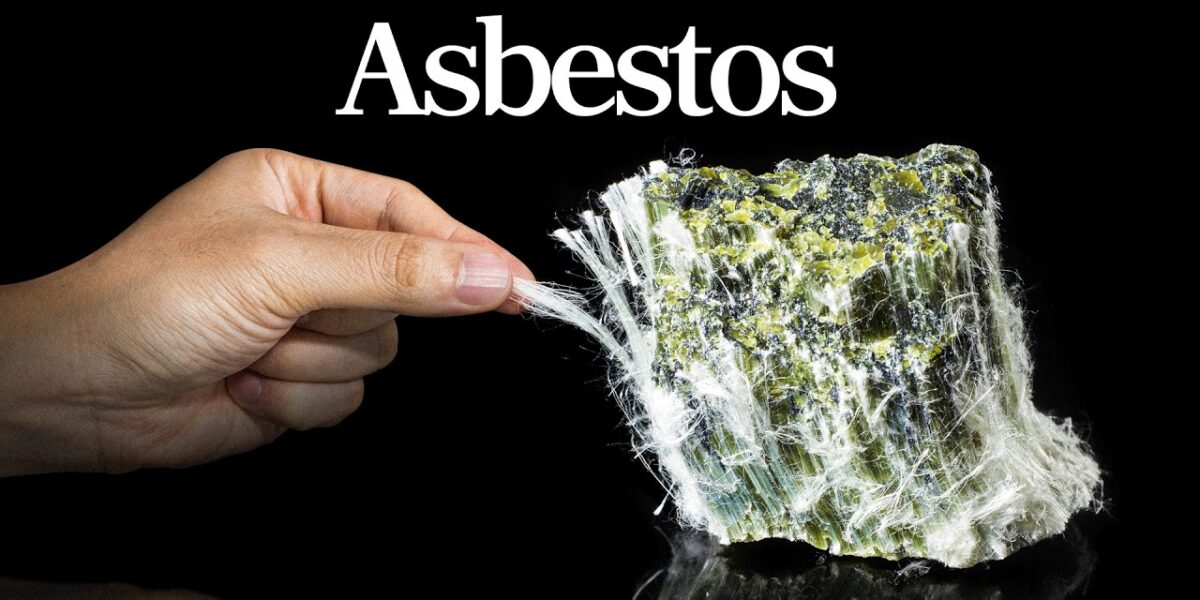
The Enduring Menace of Asbestos: A Deadly Miracle Material
For millennia, humanity has been captivated by a remarkable mineral, a substance so resistant to fire that ancient Greeks used it to craft wicks for lamps that burned for a year without extinguishing. This miraculous material, naturally occurring and possessing an almost otherworldly resilience, is asbestos. Its unique fibrous structure, a result of specific arrangements of silicon, oxygen, magnesium, and hydroxyl groups, grants it extraordinary heat resistance and tensile strength. Yet, this same structure, when broken down into microscopic fibers, unleashes a devastating health crisis that continues to plague us, centuries after its discovery.
From Ancient Marvel to Industrial Staple
The story of asbestos is a tale of unintended consequences. Its discovery, dating back to at least the 2nd century AD, offered a solution to a growing problem: urban fires. As cities rapidly expanded in the 19th century, wooden structures packed tightly together became tinderboxes. The Great Fire of New York in 1835, which destroyed hundreds of buildings and caused millions in damages, was a stark reminder of this vulnerability. Henry Ward Johns, observing the devastating firestorms, recognized the potential of asbestos’s waste fibers. By combining them with tar and pressing them onto cloth, he created a fire-resistant roofing material, patenting his invention in 1868. This marked the beginning of asbestos’s ascent as an industrial building material. Its ability to withstand extreme heat, its durability, and its relative affordability made it indispensable. By the early 20th century, asbestos was integrated into countless products: insulation for steam engines, fireproof clothing, brake pads, toasters, hair dryers, and even filtering agents for beer. Its widespread adoption contributed to a significant decrease in fire-related deaths, solidifying its reputation as a miracle material.
The Dark Side of “Inextinguishable”
The very properties that made asbestos so valuable – its durability and fibrous nature – also made it incredibly dangerous. The ancient Greeks called it “asbesto,” meaning inextinguishable. While it resisted fire, it could not resist invading the human body. The first inklings of its perilous nature emerged in the early 20th century with cases like Nelly Kershaw, a young woman who died at 33 from a debilitating lung disease after working in an asbestos factory. Pathologist Dr. William Cook’s examination revealed her lungs were scarred and discolored, filled with mineral fibers. In 1924, he published the first medical description of this condition, later named asbestosis. The microscopic asbestos fibers, often compared to tiny straight arrows, lodge deep within the lungs. The body’s defense mechanisms, like macrophages, attempt to engulf these fibers but fail, releasing inflammatory chemicals that damage lung tissue and lead to scarring. Over time, this chronic inflammation can trigger the development of cancers, most notably mesothelioma – a rare and aggressive cancer of the lining of the lungs and abdomen.
A Conspiracy of Silence and Cover-Up
Despite mounting evidence, the asbestos industry engaged in a systematic campaign to suppress information about its dangers. In the 1930s, internal documents revealed that companies like Raybestos Manhattan and Johns-Manville were aware of asbestos’s carcinogenic properties. They commissioned studies but controlled their publication, burying any findings that indicated asbestos caused cancer. Companies like Johns-Manville actively hid diagnoses of asbestosis from their workers, prioritizing cost savings over human lives. A chilling testimony revealed a company president stating, “Yes, we save a lot of money that way” when asked if they would let workers continue until they dropped dead.
The situation worsened with the onset of World War II. Shipyards, vital for the war effort, were packed with asbestos insulation. Workers were enveloped in clouds of fibers, yet federal guidelines deemed these conditions safe, with exposure limits so high that workers could inhale hundreds of millions of particles per hour. Dr. Irving Selikoff’s groundbreaking research in the 1960s provided irrefutable evidence linking asbestos exposure to severe lung disease, mesothelioma, and increased rates of other cancers. He meticulously tracked thousands of shipyard workers, demonstrating that asbestos-related cancer deaths among them far exceeded combat casualties. Despite Selikoff’s findings and a 1964 conference that publicly presented the evidence, the industry fought back, discrediting his work and lobbying against regulation.
The Lingering Threat in Modern Life
The devastating legacy of asbestos continues into the 21st century. While regulations have been enacted in many countries, the ban on asbestos in the United States, initially issued in 1989, was overturned by courts in 1991 due to a legal technicality. This paved the way for the continued, albeit reduced, use of asbestos, particularly chrysotile, the most common form. The problem is compounded by the fact that asbestos fibers can migrate from the lungs to other parts of the body through the lymphatic system, potentially causing cancer in organs like the brain, liver, and bone marrow. This widespread contamination has led to asbestos being found in unexpected places, including makeup, children’s toys, and even the decorative sand used in schools. In 2017, investigations revealed asbestos in popular children’s cosmetics, sparking widespread concern and recalls. Tragically, the diseases linked to asbestos exposure, like those stemming from the 9/11 dust, have claimed more lives than the attacks themselves. Projections suggest that by 2035, nearly 2.8 million people may die from asbestos-related diseases globally.
What Lies Ahead?
The story of asbestos is a stark warning about the dangers of prioritizing profit over public health. It highlights the critical need for robust regulatory oversight, transparent scientific research, and a commitment to protecting workers and communities from hazardous materials. As long as asbestos remains in older buildings, and in some countries, continues to be mined and used, the threat persists. Continued vigilance, public awareness, and advocacy for stricter global regulations are essential to finally extinguish the deadly legacy of this once-celebrated miracle material.
Source: Asbestos is a bigger problem than we thought (YouTube)

Related Articles


Trump Immigration Policies Fuel Healthcare Crisis, Doctors Warn
Immigration policies under the Trump administration are creating a public health crisis, forcing immigrants to avoid essential medical care and leading to preventable deaths. Doctors are warning of escalating costs and strain on healthcare systems as fear deters individuals from seeking treatment.


Kenya Launches Long-Acting HIV Prevention Drug
Kenya has launched a new, long-acting HIV prevention drug, Lenacapavir, offering a six-month injection regimen that is over 99.9% effective. This initiative aims to simplify prevention and bolster the national fight against HIV, especially as the country faces challenges with reduced international aid.

Fluoride in Water: Understanding the Risks and Benefits
Concerns are mounting regarding the systemic ingestion of fluoride from public water supplies, with potential links to dental fluorosis and other health effects. This article explores the science behind water fluoridation, the risks of uncontrolled dosing, and methods for reducing exposure.