Artemis II Mission Sparks Lunar Resource Race Fears
The upcoming Artemis II mission is sparking global debate about the need for new international rules governing outer space. Experts warn that the potential for lunar resource mining could lead to conflicts without clear regulations. The mission highlights the growing geopolitical implications of space exploration.


Artemis II Sparks Global Interest Beyond Science
The Artemis II mission, poised to send astronauts around the Moon, is generating excitement not just for its scientific achievements but also for its potential to reshape international relations and resource claims in space. This historic journey, set to begin soon, carries significant geopolitical weight, with some experts warning it could trigger a race for lunar resources.
Experts Call for New Space Rules Amidst Resource Concerns
Professor Mike Lockwood, President of the Royal Astronomical Society, shared his views with DW, emphasizing the urgent need for updated international rules governing outer space. He believes the Artemis program, while a triumph of exploration, also highlights a potential conflict over valuable resources on the Moon. “We need new international rules for outer space,” Professor Lockwood stated, pointing out that current regulations are outdated for the new era of space activity.
The Race for Lunar Riches
The idea of mining the Moon for valuable materials like helium-3, a potential fuel for future fusion reactors, or rare earth elements, crucial for modern technology, is no longer science fiction. As nations and private companies eye these possibilities, the question of who owns these resources becomes paramount. Professor Lockwood suggested that without clear guidelines, disputes could arise, similar to historical territorial conflicts on Earth.
“It’s a bit like the Wild West right now,” Professor Lockwood explained, drawing a parallel to the historical expansion into new territories where laws were unclear. He stressed that the vast potential of lunar resources necessitates a proactive approach to international law. This proactive stance aims to prevent conflicts before they begin, ensuring peaceful exploration and utilization of space.
Artemis II: A Stepping Stone for Future Lunar Presence
Artemis II is more than just a flyby mission; it’s a critical step in NASA’s broader Artemis program. This program aims to establish a long-term human presence on the Moon, including building a lunar base and conducting sustained scientific research. Such a presence naturally leads to questions about resource extraction and territorial rights. The mission’s success will pave the way for future, more ambitious endeavors, including landing humans on the lunar surface once again.
The implications extend beyond the Moon. A successful sustained presence on the Moon could serve as a testing ground for technologies and strategies needed for even longer journeys, such as missions to Mars. This makes the regulatory framework for lunar activities even more critical, as it could set precedents for future interplanetary endeavors.
The Need for International Cooperation
Professor Lockwood highlighted the importance of international cooperation in establishing these new rules. The Outer Space Treaty of 1967, the foundational document for space law, prohibits national appropriation of celestial bodies. However, it does not clearly define how commercial resource extraction should be managed. This ambiguity leaves room for interpretation and potential disagreement among nations.
“We need to make sure that space is for everyone, and that its resources are used for the benefit of all humankind,” Professor Lockwood urged. He believes that a collaborative approach, involving all space-faring nations, is the best way to ensure equitable access and prevent the militarization or monopolization of space resources. Establishing clear, internationally agreed-upon rules is essential for maintaining peace and fostering scientific progress.
Looking Ahead: What’s Next for Space Governance?
As the Artemis II mission prepares for launch, the international community faces a growing challenge: how to govern activities in space. The success of the mission will undoubtedly fuel further interest in lunar exploration and potential resource utilization. Therefore, the call for updated international space laws is likely to become louder. Nations and organizations will need to engage in serious discussions to create a framework that supports exploration while preventing conflict. The decisions made in the coming years regarding space governance will shape humanity’s future beyond Earth.
Source: Lunar resources and interstellar politics: Why Artemis II is about more than science | DW News (YouTube)

Related Articles

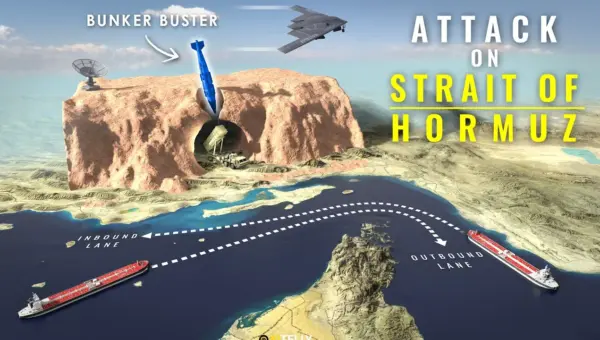
Iran’s Strait of Hormuz Trap: How the US Fights Back
Iran's strategy to control the Strait of Hormuz involves using islands as bases for anti-ship missiles and launching swarm attacks with small boats. The US counters with advanced defense systems, surveillance drones, and powerful bunker-buster bombs, highlighting the ongoing tension in this vital global shipping lane.


US Aims to Cripple Iran’s Power Grid to Secure Strait of Hormuz
A new US strategy reportedly targets Iran's power grid, including major plants like Damavand, to force open the Strait of Hormuz. The plan involves multi-stage air attacks using advanced bombers and precision munitions to cripple energy infrastructure and cause cascading failures.


Trump’s Iran Ultimatum: Civilization on the Brink?
President Trump issued a dire warning to Iran with a Tuesday deadline for a deal, fearing "a whole civilization will die." U.S. strikes on Kharg Island occurred, but officials state U.S. strategy remains unchanged. This escalation highlights ongoing tensions and their global implications.