Artemis II Launches: Humanity’s Next Lunar Leap Begins
The Artemis II mission has successfully launched, marking humanity's return to lunar exploration after over 50 years. Meanwhile, President Trump addressed the nation on the Iran conflict, vowing to continue strikes while claiming objectives are nearing completion. Elsewhere, a new weight loss pill was approved, and severe storms threaten the Midwest.

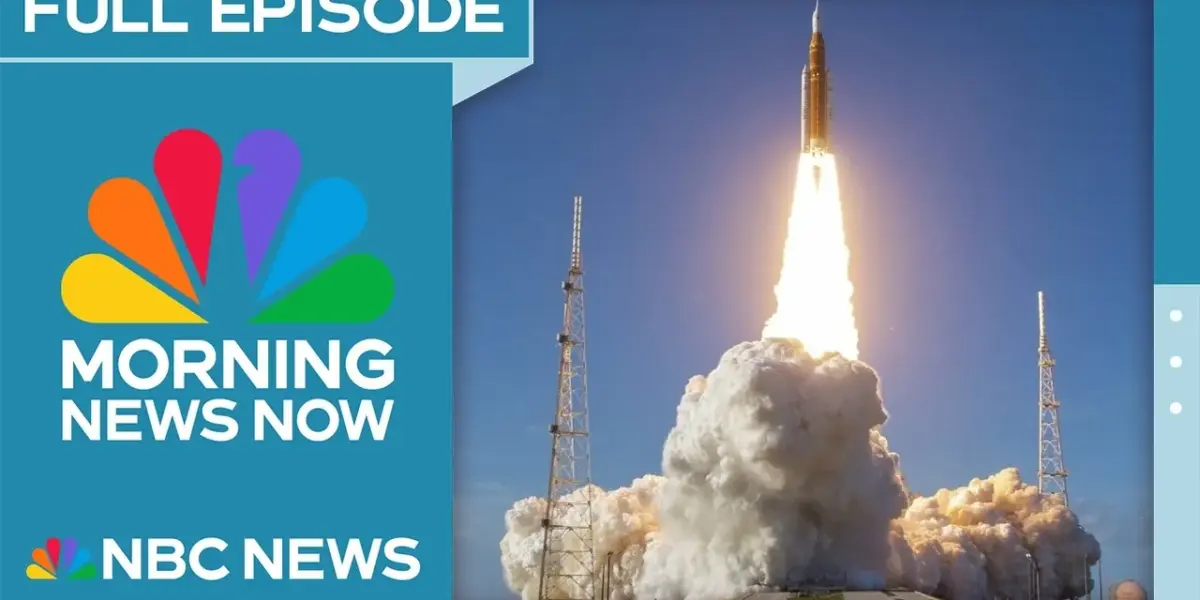
Artemis II Launches: Humanity’s Next Lunar Leap Begins
History was made yesterday, April 2nd, as the Artemis II mission officially launched, sending four astronauts on a groundbreaking journey around the Moon. This marks NASA’s first crewed mission beyond Earth’s orbit in over half a century, signifying a new era in space exploration. Millions across the nation gathered to witness the spectacular liftoff from the Kennedy Space Center at 6:35 PM Eastern Time, watching as the most powerful rocket NASA has ever built began its epic ten-day voyage.
A New Era of Space Exploration
The Artemis II mission, carrying the Orion spacecraft nicknamed ‘Integrity,’ is set to orbit the Moon, including flying over its far side, a region never before seen by human eyes. While the crew will not land on the lunar surface this time, this flyby is a crucial step towards extending humanity’s reach into the cosmos. The mission’s success is vital for testing systems and gathering data that will pave the way for future lunar landings and eventual missions to Mars.
“This is a test flight. You got to remember, it’s a test flight. So the astronauts are going to be testing out radiation protection systems, their medical kits to make sure they have everything.”
Jose Hernandez, Former NASA Astronaut
Mission Details and Astronaut Experience
The Orion spacecraft is currently in Earth orbit, where the astronauts are testing its systems. This evening, they will initiate the ‘Transearth Injection’ burn, a critical maneuver to propel them towards the Moon at speeds exceeding 24,000 miles per hour. The journey to the Moon is expected to take about four days. During their lunar flyby, the crew will focus on observing and photographing the far side of the Moon, guided by geologists on the ground.
Former NASA astronaut Jose Hernandez shared his excitement, noting the mission’s nostalgic yet forward-looking nature. He emphasized the importance of this test flight for future regular lunar missions. “Once we start going to the Moon on a regular basis, we’re going to be doing some great things on the surface of the Moon,” Hernandez said.
Astronomer and astrophysicist Dr. Emily Rice highlighted the emotional impact of such launches. “It was really, really fun to watch,” she said, describing the shared experience with the online space community. Both experts agreed that while training prepares astronauts for technical challenges, the view of Earth from space is an unparalleled experience.
Hernandez reflected on his own spaceflight experience, stating, “I looked at the Earth and I became an instant environmentalist. I saw how thin our atmosphere is, how delicately balanced it is. And I said, you know, we need to take care of our planet.” He sees the Artemis program as a vital step towards developing technologies for Mars and beyond.
Technological Advancements Since Apollo
Comparing Artemis to the Apollo missions, Hernandez pointed out the significant advancements in technology. “50 years ago, we were using vacuum tube technology. There’s more computation power in your cell phone than there was on the Apollo system,” he explained. These modern technologies will allow for longer stays on the Moon and more complex missions.
President Trump Addresses Nation on Iran Conflict
In separate news, President Trump addressed the nation regarding the ongoing conflict with Iran. He stated that the United States is on track to complete its military objectives shortly, asserting that the conflict will soon be over. However, he also warned of further strikes in the coming weeks, projecting a timeline of two to three weeks for intensified attacks.
The President’s speech, his first prime-time address on the war, aimed to justify the conflict, calling it a “true investment in your children and your grandchildren’s future.” Despite his assurances, polls indicate that a majority of Americans oppose the war, and gas prices have risen significantly since the conflict began.
“We are going to hit them extremely hard over the next 2 to 3 weeks.”
President Trump
Global Implications and Regional Tensions
The conflict has global implications, with oil prices spiking and stock markets reacting to the uncertainty. Hours before his speech, President Trump reportedly considered withdrawing the U.S. from NATO, a statement that was notably absent from his national address. He also claimed Iran had requested a ceasefire, a claim denied by Iranian officials.
International correspondent Raf Sanchez reported from Doha, Qatar, that Iran still retains the ability to threaten its neighbors, despite the degradation of its military capabilities. “Iran is still able to strike, they are still able to threaten the Strait of Hormuz,” Sanchez stated. The U.S. military has increased its presence with B-52 bombers flying over Iran, indicating a strategic shift in air defense capabilities.
Homeland Security Funding Debate Continues
Meanwhile, Republican leaders in Congress are moving forward with a new plan to address the Department of Homeland Security shutdown. The proposal involves a two-track approach, separating funding for certain agencies. This plan appears to mirror a previous Senate proposal and aims to resolve disruptions at airports nationwide.
The timeline for a vote on this measure is uncertain, as Congress is currently in recess until April 13th. However, members could return earlier if unanimous consent is reached. The ongoing debate highlights the complex political landscape surrounding national security and border issues.
Weather Alert: Severe Storms Threaten Midwest
In weather news, severe storms are threatening millions in the Midwest. Residents are facing a mix of wintry conditions in the Upper Midwest, including snow and freezing rain, while parts of the Plains and South are experiencing rain and thunderstorms. The National Weather Service has issued winter alerts for over 12 million people, warning of potential ice accumulations and scattered power outages.
The forecast indicates a risk of stronger storms developing later in the day, with potential for tornadoes and high winds across several Midwestern states, including Illinois, Indiana, and Missouri. Residents are advised to stay informed and take necessary precautions.
New Weight Loss Pill Approved
Finally, a new weight loss pill developed by pharmaceutical giant Eli Lilly has received FDA approval. This offers a new option for individuals struggling with weight management, marking a significant development in medical treatments for obesity.
Source: Morning News NOW Full Episode – April 2 (YouTube)

Related Articles
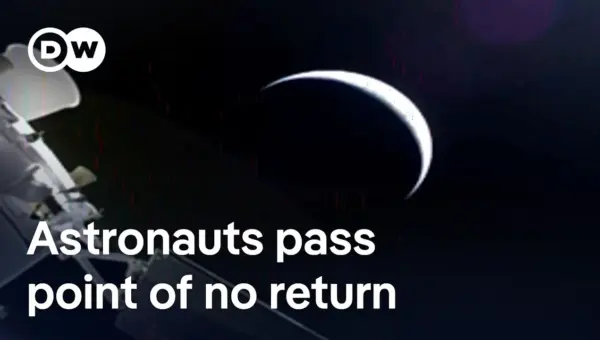
Artemis II Blasts Off: Humans Return to Lunar Orbit After 50 Years
Humans have returned to lunar orbit for the first time in over 50 years as NASA's Artemis II mission successfully executed its Trans Lunar Injection burn. The four-person crew is now en route to the Moon, marking a significant milestone in space exploration. This mission serves as a critical test flight, pushing spacecraft systems and gathering vital data for future lunar landings.

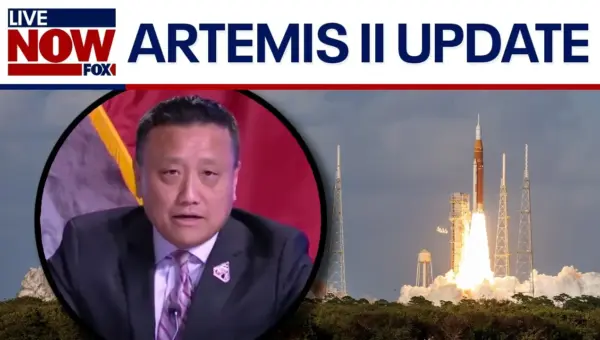
Artemis II Crew Heads to Moon After Flawless Burn
NASA's Artemis II mission has successfully propelled its four-person crew toward the Moon following a flawless translunar injection burn. The Orion spacecraft is now on its planned trajectory, marking a significant step in humanity's return to lunar exploration. This test flight continues to gather crucial data on the spacecraft's performance in deep space.

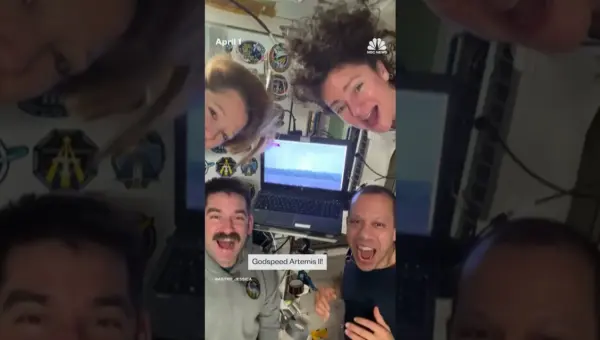
Artemis II Astronauts Begin Moon Journey, Face Water Glitch
The Artemis II astronauts have begun their historic journey to the Moon aboard the Orion spacecraft. The crew successfully executed a critical engine burn to leave Earth's orbit, traveling at 24,000 mph. A minor issue with the spacecraft's water system prompted precautionary measures, but NASA believes it is resolved.