Artemis II Launch Ignites ‘New Space Race’
The Artemis II launch marks a pivotal moment, signifying humanity's return to the Moon after over 50 years and igniting a 'new space race.' With an estimated 400,000 spectators, the mission embodies renewed American ambition in space exploration. This initiative aims to establish a long-term lunar presence, potentially driving significant growth across the aerospace industry.

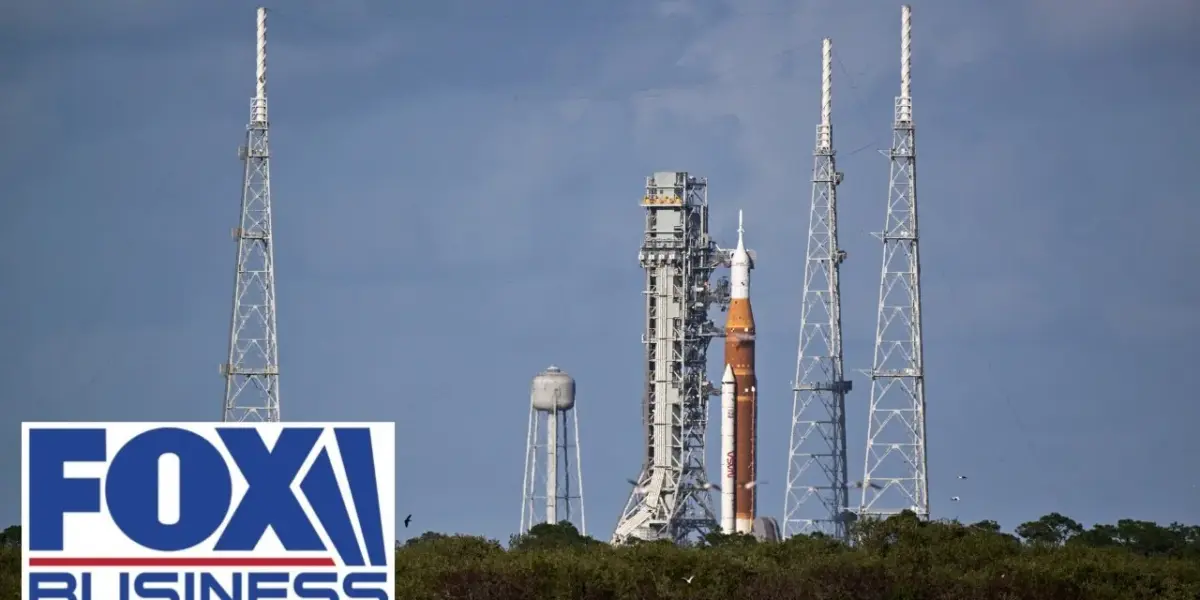
Artemis II Launch Ignites ‘New Space Race’
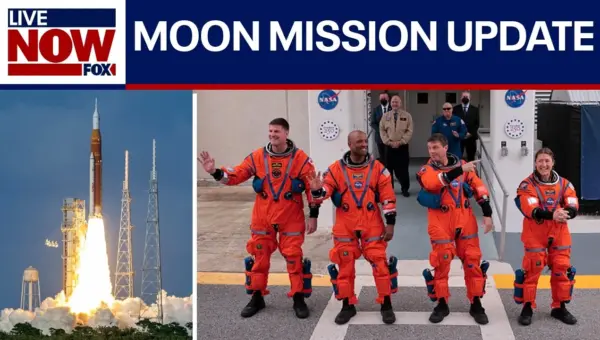
The skies above Cape Canaveral are buzzing with excitement as NASA prepares for the Artemis II mission, marking humanity’s return to the Moon after more than 50 years. An estimated 400,000 people gathered to witness the historic launch, a powerful symbol of American ambition and a potential turning point in space exploration.
Senator Ashley Moody, present at the scene, described the atmosphere as electric. “The excitement is certainly building,” she stated, noting the immense crowd gathered for the event. This mission represents the first crewed spacecraft to head towards the Moon since the Apollo era, a significant milestone that underscores a renewed focus on space exploration.
A New Era of Space Exploration
NASA officials have expressed widespread enthusiasm for the mission, emphasizing the goal of not just visiting the Moon, but establishing a long-term presence there. This ambitious objective signals a shift towards sustained lunar activity, moving beyond brief exploratory missions. The agency plans to increase the pace of launches, with Kennedy Space Center poised to be a central hub for these future endeavors.
Kennedy Space Center currently launches more rockets than all other U.S. spaceports combined, accounting for nearly 40 percent of global launches. This concentration of activity highlights its critical role in America’s space program and its aspirations to lead in this new space race. The sentiment is that America is once again winning in space, with the Space Coast playing a vital part.
‘America First’ and Space Force
The renewed push in space exploration is closely linked to the ‘America First’ agenda. Senator Moody credited President Trump with driving progress in various cutting-edge fields, including space. The establishment of the Space Force was also highlighted as a key initiative aimed at strengthening national security and advancing American interests in space.
This period is being framed as a ‘new space race,’ distinct from the Cold War competition. The focus is on innovation, establishing a lasting presence on the Moon, and increasing the frequency of space missions. This aggressive agenda aims to ensure America meets the high standards expected by its citizens for national progress and global leadership.
Looking Ahead: Long-Term Lunar Presence
The Artemis II mission is just the first step in a larger plan to return humans to the lunar surface and eventually send them to Mars. The establishment of a permanent lunar base is a key long-term goal, which would serve as a platform for scientific research and further exploration of the solar system.
The success of Artemis II is expected to pave the way for future missions, including those that will land astronauts on the Moon. The increased cadence of launches and the focus on building infrastructure on the Moon are critical components of this long-term vision. This sustained effort aims to solidify America’s position as a leader in space exploration for decades to come.
Market Impact
The renewed focus on space exploration, particularly with significant government backing and ambitious goals, can have ripple effects across various industries. Companies involved in aerospace manufacturing, satellite technology, materials science, and even data analytics could see increased opportunities and investment.
The development of new technologies required for lunar missions, such as advanced life support systems, propulsion, and robotics, often leads to innovations that find applications on Earth. This can spur growth in sectors ranging from healthcare to telecommunications. Furthermore, the potential for resource utilization on the Moon, such as water ice for fuel and life support, could eventually drive new economic models.
What Investors Should Know
For investors, the increased activity in the space sector suggests potential growth areas. The Artemis program and similar international efforts signal sustained government and private investment in space. This could benefit companies that are part of the supply chain for space missions or those developing enabling technologies.
Investors might consider looking at established aerospace giants as well as emerging private space companies. The long-term nature of space exploration means that investments in this sector may require patience, but the potential for significant returns exists as new frontiers are explored and commercial opportunities arise. The focus on lunar presence and future Mars missions indicates a long-term commitment that could translate into sustained market interest.
Source: ‘Back to EXCELLENCE’: GOP senator on Artemis II launch (YouTube)

Related Articles
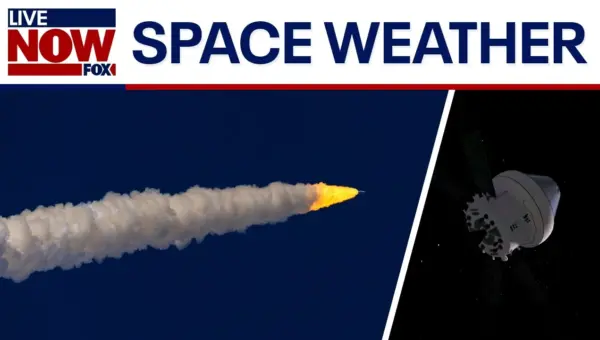
Artemis II Crew Faces Space Weather Threats to Moon Mission
NASA's Artemis II mission is underway, with astronauts embarking on the first lunar trip in over 50 years. The crew faces potential space weather threats, including solar flares and radiation, but NASA has implemented advanced shielding and monitoring systems for their protection. This mission marks a significant leap in safety and knowledge compared to the Apollo era, paving the way for future endeavors like Mars exploration.


Artemis II Mission: Humans Loop Moon After 50 Years
The Artemis II mission has launched four astronauts on a historic 10-day journey around the Moon, the first crewed lunar mission in over 50 years. This flight tests NASA's powerful SLS rocket and Orion spacecraft, paving the way for future lunar landings and deeper space exploration.
Artemis II Astronauts Fly Past Moon on Historic Deep Space Test
Artemis II has launched, sending four astronauts on a historic 10-day mission around the moon, marking humanity's first crewed journey beyond Earth orbit in over half a century. The mission tests the Orion spacecraft and life support systems, paving the way for future lunar landings.