Artemis II Images Reignite Human Spaceflight’s Grand Vision
The Artemis II crew's recent images of Earth, the first taken by humans in over 50 years, mark a significant return to deep space exploration. Former astronaut Dr. Tom Mashburn discusses the profound impact of these views and the mission's importance for future lunar and Martian endeavors.

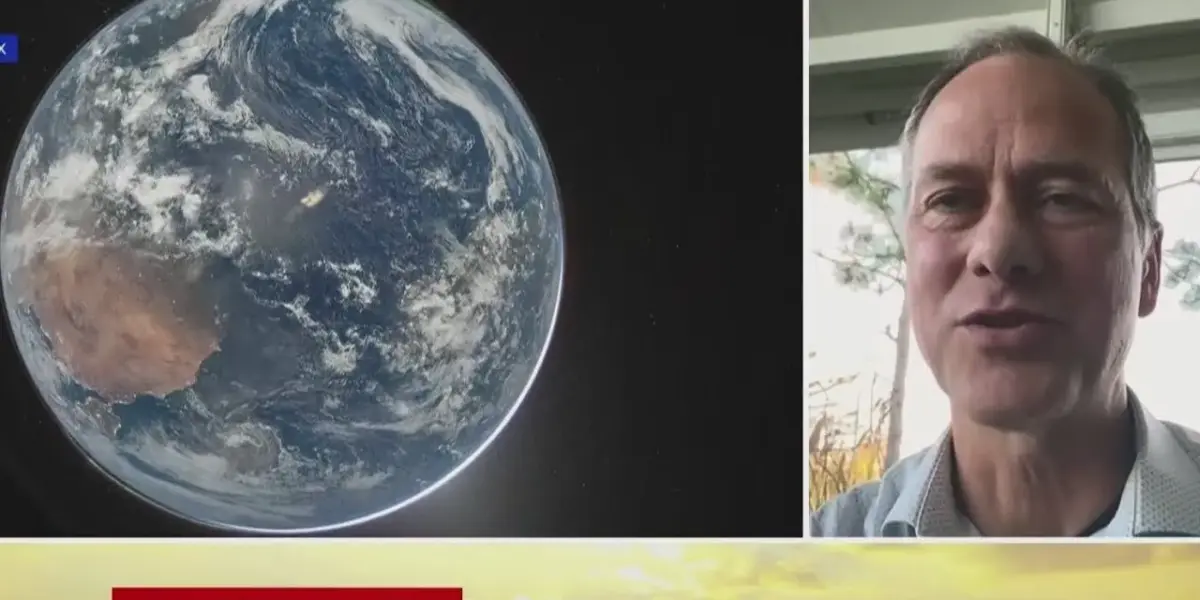
Artemis II Images Reignite Human Spaceflight’s Grand Vision
The first human-taken photos of Earth in over 50 years are here. The Artemis II crew, currently on their way to the Moon, sent back stunning images of our home planet. These pictures, taken since the Apollo missions ended in 1972, are more than just beautiful snapshots. They represent a powerful return to deep space human exploration and carry deep meaning for those who have experienced it.
Dr. Tom Mashburn, a former NASA astronaut with 337 days in space, described the new Earth images as bringing tears to his eyes. He spoke about the profound impact of seeing our entire world from afar. “Everything we’ve ever known and everyone we’ve ever known is right there in one picture,” he said. This view, he explained, helps put our place in the universe into perspective. It’s a feeling astronauts carry with them, even after returning to Earth. Seeing the Moon grow larger and more three-dimensional during the journey is also a breathtaking experience.
A Return to Lunar Flybys
The Artemis II mission is a crucial step in NASA’s plan to return humans to the Moon and eventually travel to Mars. The crew is scheduled to perform a lunar flyby on Monday. This mission is not just about reaching a destination; it’s about testing new technology and building experience for future, more complex journeys. Dr. Mashburn emphasized that each mission is a building block. New materials, new technology, and new ways of handling risks are all part of this process. This lunar flyby is a vital test flight, technically important for continuing progress in space exploration.
The Experience of Launch and Space
Dr. Mashburn also shared his feelings about watching the Artemis II launch. As an astronaut, he knows the risks involved and worries more about the crew when he’s not on board. He described the powerful experience of watching the rocket, with its solid rocket boosters similar to those used during the Shuttle era, lift off. Even from three miles away, the sound and shockwave were incredibly intense, a feeling that vibrated through his chest. He expressed pride in his friends on the Artemis II crew, calling them the right people for this important mission.
Medical Research in Space
Beyond the visual and emotional aspects, Artemis II is carrying out important scientific research. The mission includes a first-of-its-kind experiment called AVATAR. This experiment will study how radiation and microgravity affect the human body. Dr. Mashburn, who also has a background in medicine and led medical operations for the International Space Station, highlighted the significance of this research. As humans travel further from Earth’s protective magnetic field, they face increased radiation exposure.
Understanding these effects is vital not only for future space exploration but also for understanding human physiology on Earth. “We learned so much about humans, especially on the Earth,” Dr. Mashburn noted. Studying astronauts helps researchers understand how bodies react to extreme conditions, which can offer insights into aging and other health issues. This knowledge will help define risks for longer missions, like a trip to Mars, and develop ways to reduce them. The data gathered will be essential for ensuring astronaut health on these extended voyages.
Global Impact and Future Scenarios
The Artemis II mission marks a significant moment for human space exploration. After decades without human missions beyond Earth orbit, these images and the ongoing mission signal a renewed commitment to venturing into the cosmos. The success of Artemis II will pave the way for more ambitious missions, including future lunar landings and eventual journeys to Mars. This renewed push into space could inspire a new generation of scientists and engineers. It also highlights the ongoing competition and cooperation among nations in space exploration. Future scenarios could involve increased international collaboration on large-scale projects or a more fragmented approach with different countries pursuing their own agendas. The medical research, in particular, has the potential to yield discoveries that benefit life on Earth, further justifying the investment in space programs.
Historical Context
The Artemis program directly follows the legacy of the Apollo program, which achieved the first human Moon landing in 1969. The Apollo missions, culminating in Apollo 17 in 1972, were the last time humans traveled beyond low Earth orbit and sent back images of Earth taken by astronauts. The return to lunar exploration with Artemis is a deliberate effort to build upon that history. It uses lessons learned from previous missions, including the Space Shuttle program, as evidenced by the use of similar solid rocket boosters. This historical context shows space exploration as a continuous journey of progress, with each generation building on the achievements of the past.
Economic Considerations
While the transcript doesn’t detail specific economic factors like sanctions or trade figures, space exploration is inherently tied to national economies and international investment. The development of new technologies for missions like Artemis often has spin-off benefits for industries on Earth. The cost of space programs is significant, requiring substantial government funding. Future international cooperation might involve shared costs and resources, while competition could drive innovation but also increase expenses. The control of resources or strategic positions in space could also become economic factors in the long term, though these are not directly discussed in the provided text.
Looking Ahead
Dr. Mashburn’s message to the Artemis II crew was simple yet powerful: “Go Artemis. We’re so proud and we’re all behind you.” He encouraged them to keep talking, keep taking pictures, and to enjoy the experience while staying focused on the mission. The success of this lunar flyby is critical for NASA’s ongoing efforts to establish a long-term human presence on the Moon. This step-by-step approach, learning from each mission, is key to achieving the ultimate goal of exploring the universe further, including reaching Mars.
Source: Ex‑NASA astronaut: Artemis II Earth images ‘bring a tear to my eye’ | Morning in America (YouTube)

Related Articles

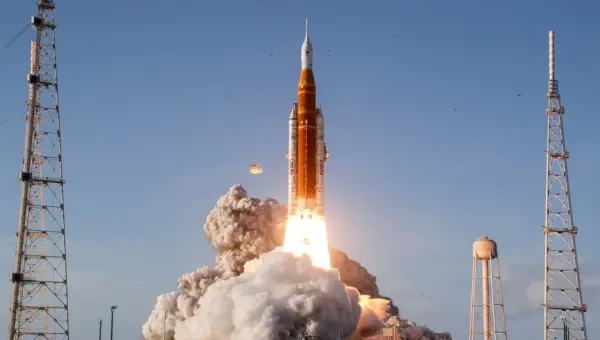
Artemis II: Moon Mission Continues, Honoring Apollo’s Legacy
The Artemis II mission is in its fifth day, marking a significant return to lunar exploration. Astronaut Charlie Duke honored the Apollo legacy, sending encouragement to the current crew as they entered the moon's sphere of influence. This mission is a vital step towards future lunar landings and beyond.

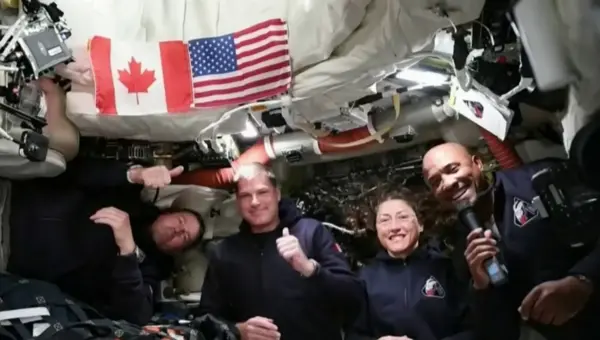
Artemis II Crew Shares Stunning Moon Views from Deep Space
The Artemis II crew is traveling towards the Moon, sharing stunning images and historic interviews from deep space. For the first time since 1972, humans are venturing this far, experiencing breathtaking views and preparing to photograph the Moon's far side.

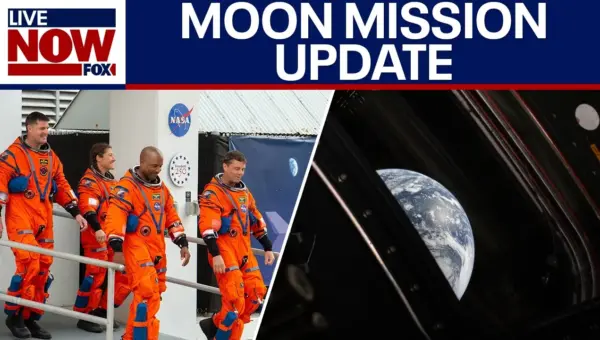
Artemis II Crew Nears Moon Amidst Toilet Troubles
The Artemis II crew is nearing the Moon, but not without facing technical challenges. Issues with the spacecraft's toilet system, suspected to be caused by ice, are being actively managed. Despite this, the astronauts are preparing for a historic lunar flyby, capturing unprecedented views and conducting scientific observations.