Artemis II Ignites Lunar Return: A New Space Race Dawns
NASA's Artemis II mission has launched, marking humanity's return to the moon after a 53-year hiatus. This historic flight tests vital systems for future lunar landings and signals a renewed global push for space exploration, with significant geopolitical implications.

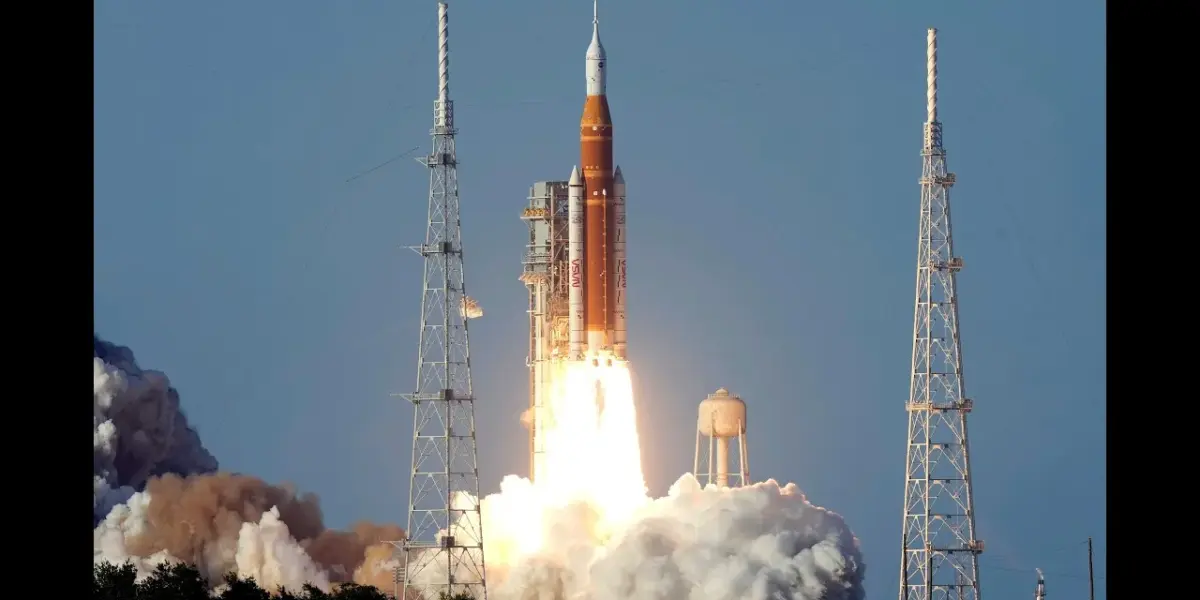
Artemis II Ignites Lunar Return: A New Space Race Dawns
The roar of the rocket engines marked a monumental moment for space exploration. NASA’s Artemis II mission launched, sending three American astronauts and one Canadian astronaut on a journey to orbit the moon. This is the first time humans have traveled to the moon in over 50 years, rekindling a spirit of adventure and pushing the boundaries of human endeavor.
Retired US Navy Captain and aeronautics expert Armen Kurdian described the feeling as hard to put into words, emphasizing the emotional weight of the occasion. He referenced President John F. Kennedy’s famous words: “We choose to go to the moon and do the other things not because they are easy, but because they are hard.” This sentiment captures the essence of the mission – tackling immense challenges for the sake of progress and human achievement.
A Long Road Back to the Moon
Rick Fischer, a senior fellow at the International Assessment and Strategy Center, highlighted that Artemis II is a crucial first step in returning humans to the lunar surface. This mission will test the new Orion space capsule, paving the way for future missions. These will involve docking with human landing systems and, by 2028, returning astronauts to walk on the moon again.
The path to Artemis has been a long and winding one. After the Apollo program ended in 1972, the United States did not return to the moon for decades. President George W. Bush attempted to revive lunar exploration, a program later canceled by President Barack Obama. It was President Donald Trump who reinstated these ambitions in 2017, making the Artemis program a reality.
The Astronauts’ Experience
Kurdian drew a parallel between the astronauts’ feelings before launch and those of athletes before a major championship game. There’s excitement and uncertainty, but once the engines ignite and the G-forces press in, the focus shifts entirely to the mission. He believes that once the crew reaches space and experiences weightlessness, they will have a moment to reflect on the profound significance of their journey for humanity.
Astronauts undertake this mission as an incredible honor, the result of years of dedication and hard work. Many come from military backgrounds, having already proven their ability to perform under pressure. They carry the pride of their nations and the responsibility for the success of their space programs, knowing that future missions depend on their performance.
Sacrifice and Vision
The sacrifices made by astronauts are immense. Beyond the personal risk, they endure years of rigorous training and time away from family. While not financially rewarding, the spiritual enrichment of contributing to human exploration is significant. Future missions, like extended stays on a space station or a permanent moon base, could mean being away from home for years at a time.
Kurdian also noted the connection between science fiction and scientific fact. He cited authors like Jules Verne, Ray Bradbury, Arthur C. Clarke, and Isaac Asimov, whose visions of space exploration are now becoming reality. The technology on the Artemis II mission far surpasses that of the Apollo era. For instance, the computing power available today is billions of times greater than that on the Apollo 11 capsule.
Why This Matters
This return to the moon is not just about scientific discovery; it’s also about international positioning and the peaceful exploration of space. Fischer emphasized the importance of the United States leading the way back to the moon, setting an example for other nations, particularly China and Russia. The goal is to ensure the peaceful use of lunar resources and to establish a stepping stone for future missions to Mars.
The Artemis Accords, signed by 61 nations, aim to guide space exploration and resource utilization in a cooperative and transparent manner. By re-engaging with lunar exploration, the U.S. is working to prevent any single nation from dominating space and to secure access to celestial bodies for all free countries. This commitment is seen as vital for future security and prosperity.
The Future Outlook
The momentum generated by Artemis II is crucial. Kurdian expressed hope that future administrations, regardless of political party, will continue to support humanity’s expansion into space. He believes that as Earth faces challenges like overpopulation, humanity will eventually need to explore and settle beyond our planet. This drive to explore is inherent to who we are as a species.
The successful launch of Artemis II signifies a new era of space exploration. It’s a testament to human ingenuity, perseverance, and the enduring dream of reaching for the stars. The mission not only celebrates past achievements but also lays the groundwork for future generations to explore the cosmos, turning science fiction into tangible reality and securing humanity’s place among the stars.
Source: NASA Launches Artemis II, First Manned Moon Mission in 53 Years (YouTube)

Related Articles

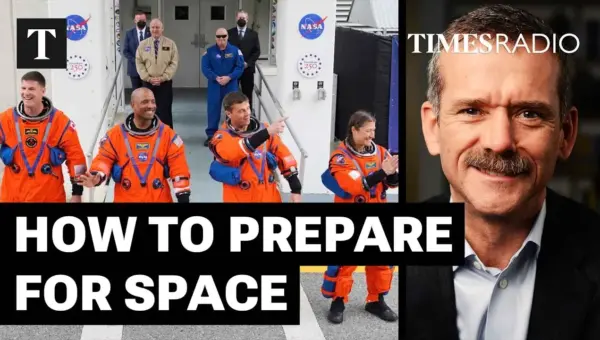
Astronaut Chris Hadfield on Artemis Prep & Space’s Human Heart
Former astronaut Chris Hadfield emphasizes that space exploration's greatest challenge is mental, not physical. He discusses the intense preparation required for missions like Artemis and reflects on the deeply human emotions involved in spaceflight, comparing it to our innate drive to explore.


Humans Return to Moon Orbit After 52 Years
Humans are heading back to the moon for the first time in over 50 years with the Artemis II mission. The four-astronaut crew will orbit the moon, marking a historic return to deep space exploration. Meanwhile, political developments include President Trump's warnings of further strikes against Iran and a leadership change at the Justice Department.

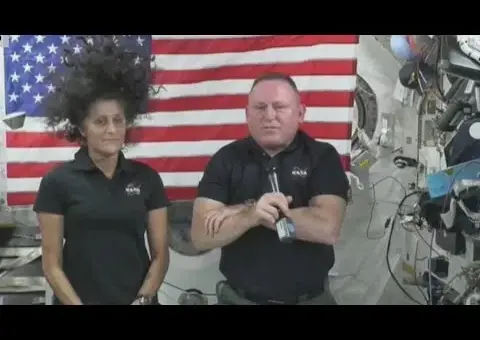
Artemis II Fuels New Space Race Era
NASA's Artemis II mission, sending astronauts beyond the Moon for the first time in 50 years, signals a new era of space exploration. Astronaut Butch Wilmore's insights from past challenges and the mission's pristine progress highlight renewed ambition amidst global space competition. This journey is poised to reshape international relations and technological leadership.