Artemis II Crew Shares Historic Moon Journey Views
Artemis II astronauts spoke from nearly 200,000 miles away in a historic interview, sharing awe-inspiring views of Earth and the Moon. The crew described their journey as "unbelievable" and "mind-bending," filled with emotions of happiness, excitement, and profound gratitude. They also discussed connecting with families and the unique experience of sleeping in space.

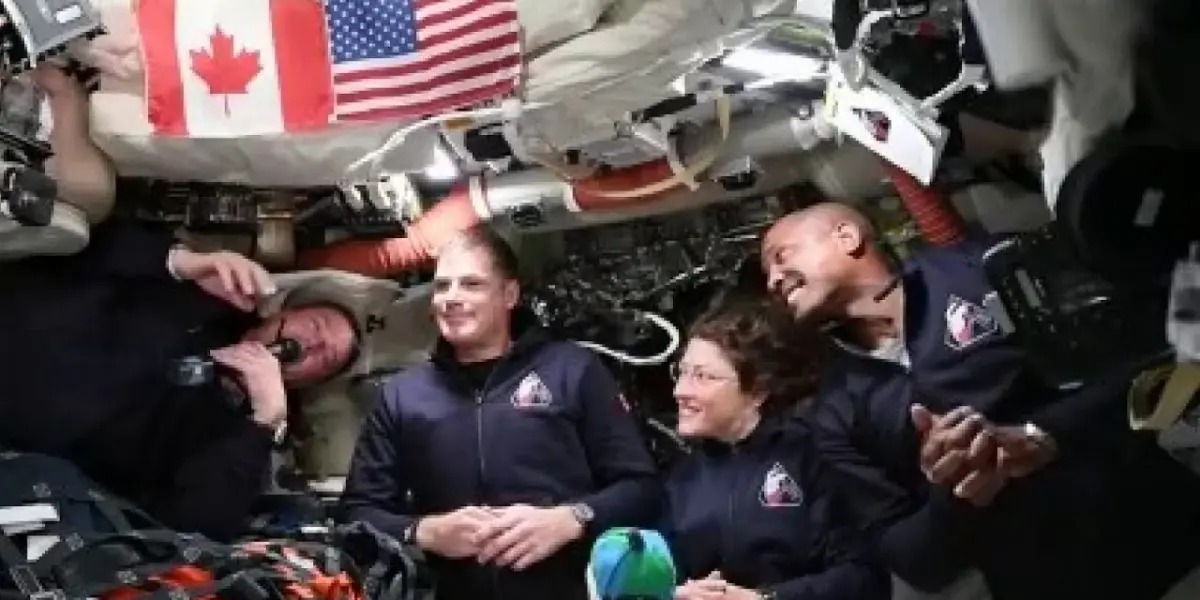
Astronauts Speak from Deep Space in Record Interview
NASA’s Artemis II astronauts are more than halfway to the Moon, nearly 200,000 miles from Earth. In a historic moment, NBC News’ Tom Costello conducted the farthest interview ever from space with the four-person crew. The astronauts are preparing for a lunar flyby, a crucial step in humanity’s return to the Moon.
Awe-Inspiring Views and Unforgettable Feelings
Speaking from their spacecraft, the astronauts described the experience as “unbelievable” and “awe-inspiring.” They are currently positioned between the Earth and the Moon, offering a unique perspective. The Earth appears almost fully eclipsed, while the Moon is bathed in daylight. This vantage point allows for views never before captured by humans in space since 1972.
“It is truly awe inspiring up here,” one astronaut shared. “To see the Moon, to see the Earth, and to know that we are between those two celestial bodies.” The crew also had their first glimpse of the far side of the Moon, an area rarely seen and appearing distinctly different from the familiar face. This view stirred deep emotions, connecting the vastness of space with the love for their families back home.
Emotions of Space Exploration
The astronauts conveyed a mix of emotions, including happiness, excitement, and profound humility. They described the experience as “mind-bending” and a testament to human exploration. The privilege of being among the few to witness such sights brought them to their knees with gratitude for the teams on Earth that made the mission possible.
“Hope for humanity’s future. That we can do this right now means we could do so much more.”
This sense of hope extends beyond the mission itself, symbolizing what humanity can achieve when working together. They expressed a deep gratitude for the opportunity to represent explorers at heart.
Connecting with Home
Despite the immense distance, the astronauts have had opportunities to connect with their families. These “family conferences” have been surreal and deeply moving experiences. One astronaut described the moment of speaking with their two daughters as “the greatest moment of my entire life,” a brief reunion across the vastness of space.
The crew noted the public’s excitement back on Earth, with news and social media buzzing about their journey. They are aware of the attention they’ve garnered, even joking about becoming “superstars” and “rock stars” during their mission.
Sleeping in Space: A Unique Comfort
Surprisingly, the astronauts reported sleeping very well in space, with some finding it even more comfortable than sleeping on Earth. The long initial days of the mission leave their bodies ready for deep rest. While there can be a brief disorientation upon waking, the overall experience of sleeping in microgravity is positive and deep.
This normal human experience in an extraordinary setting highlights the adaptability of the human body and spirit. One astronaut described the dichotomy of spaceflight: “We might go look at the far side of the Moon and take in its awesomeness and then go, maybe I should change my socks.”
A Legacy of Exploration
When asked about describing this moment to future generations, the astronauts focused on the human element of exploration. They see themselves as lucky individuals chosen for this mission, not necessarily thinking about personal legacy. The true value lies in returning to Earth and sharing these “unbelievable” stories, both the beauty and the human moments.
The key to human exploration, they emphasized, is the “human” aspect – coming back and sharing the adventure. They are committed to bringing back the best possible stories and images for everyone on Earth.
Mission Updates and Future Prospects
Tom Costello reported that the mission is going “almost perfectly,” with only minor technical issues. The views have been spectacular, and the crew feels they are exactly where they prepared to be for years. The upcoming flyby of the far side of the Moon is a key objective.
Astronauts have been around the far side before, but at much closer distances. This mission aims to capture high-resolution images from a greater distance, providing unprecedented data. This information is vital for future lunar missions, including the goal of landing humans on the Moon, ideally by 2028.
Navigating Communication Blackouts
During their journey around the far side of the Moon, the spacecraft will experience a communication blackout for about 40 minutes. Mission Control in Houston is not concerned, as the spacecraft’s trajectory is precisely calculated. The single rocket firing during their initial journey has put them on a perfect course, requiring no further major adjustments.
This period without contact is a normal part of lunar missions. The spacecraft will automatically sling back towards Earth based on its current trajectory, with splashdown expected on Friday. The mission continues to be a testament to precise planning and the capabilities of modern spaceflight.
Source: NBC News speaks with Artemis II crew during their moon mission (YouTube)

Related Articles


Artemis II Astronauts Reach Record Distance From Earth
The Artemis II crew has set a new distance record from Earth, surpassing Apollo 13 as they journey around the Moon. This mission is a critical step in NASA's plan to return humans to the lunar surface and develop resources. Experts see it as a pivotal moment, shifting focus from pure exploration to long-term development and paving the way for future Mars missions.


Artemis 2 Crew Sees Unseen Moon Side for First Time
Astronauts aboard the Artemis 2 spacecraft have captured the first human views of the Moon's far side, a region largely unseen by human eyes. This historic moment offers unparalleled detail and perspective, highlighting the unique capabilities of human observation in space exploration. The mission progresses towards its April 10th splashdown, marking a significant step in NASA's lunar ambitions.

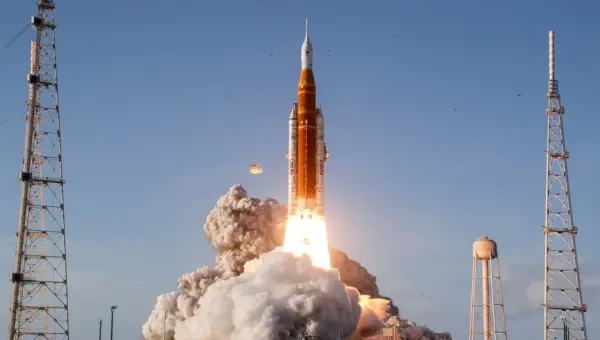
Artemis II: Moon Mission Continues, Honoring Apollo’s Legacy
The Artemis II mission is in its fifth day, marking a significant return to lunar exploration. Astronaut Charlie Duke honored the Apollo legacy, sending encouragement to the current crew as they entered the moon's sphere of influence. This mission is a vital step towards future lunar landings and beyond.