Artemis II Crew Returns Safely, Paving Way for Lunar Missions
NASA's Artemis II mission successfully concluded with the safe return of four astronauts to Earth. The Orion capsule splashed down in the Pacific Ocean after a 10-day journey around the Moon. This mission marks a crucial step towards future lunar exploration and establishing a sustained human presence in space.

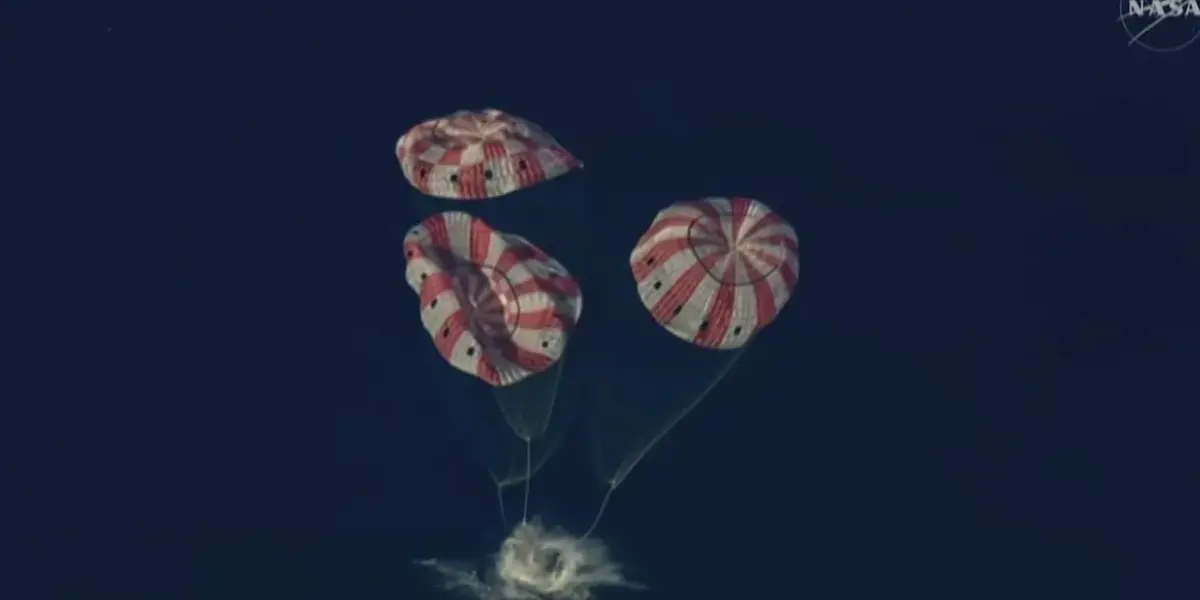
Artemis II Capsule Splashes Down, Crew Returns to Earth
NASA’s Artemis II mission has successfully concluded with the safe return of its four astronauts to Earth. The Orion capsule splashed down in the Pacific Ocean on Friday, marking the end of a historic 10-day journey. The crew is now heading to NASA’s Johnson Space Center in Houston for debriefings and reunions with their families. This mission represents a significant step forward in humanity’s return to the Moon.
Tense Moments and Triumphant Return
The final moments of the mission were filled with anticipation. As the Orion capsule re-entered Earth’s atmosphere, a tense six-minute period occurred where communication with the spacecraft was lost. Inside Mission Control at Johnson Space Center, the atmosphere was described as so quiet that “you could hear a pin drop.” This period of silence was followed by a collective sigh of relief when the parachutes deployed successfully, ensuring a safe landing.
For the astronauts, waking up on Earth after traveling more than 250,000 miles was an extraordinary feeling. Their families, who had watched the mission unfold in real-time, shared in their joy and relief. The astronauts emerged from the capsule in good spirits, showing no need for wheelchairs or significant assistance, a testament to their health and the mission’s success. This return to solid ground after experiencing zero gravity for ten days is a major achievement.
Mission Accomplished, Future Missions Ahead
NASA officials expressed their happiness and pride in the crew’s safe return. Commander Reid Wiseman reportedly called Mission Control to confirm that all crew members were okay, a call that brought immense joy. The mission achieved its flight path angle target with remarkable precision and landed less than a mile from its intended splashdown point. This accuracy highlights the advanced engineering and planning behind the Artemis program.
While the Artemis II mission is complete, it serves as a vital stepping stone for future lunar exploration. The data and experience gained from this crewed flight around the Moon are crucial for developing the capabilities needed for longer stays and more complex operations on the lunar surface. The successful return of the crew paves the way for the subsequent Artemis missions, which aim to establish a sustained human presence on the Moon and prepare for eventual missions to Mars.
Global Impact and the Future of Space Exploration
The Artemis II mission is more than just a technological feat; it represents a renewed global interest in space exploration. By successfully sending astronauts around the Moon and returning them safely, NASA is demonstrating its commitment to leading humanity’s next giant leap into the cosmos. This achievement inspires future generations of scientists, engineers, and explorers worldwide. The collaboration and competition in space exploration continue to drive innovation and push the boundaries of what is possible.
Historical Context
The Artemis program builds upon the legacy of the Apollo missions, which first landed humans on the Moon in 1969. Artemis II, by sending a crew around the Moon without landing, echoes the Apollo 8 mission, which was the first crewed spacecraft to orbit the Moon. This return to lunar exploration signifies a new era, moving beyond the initial goal of just reaching the Moon to establishing a long-term presence and utilizing it as a platform for further space endeavors.
Economic and Strategic Considerations
While this specific mission was focused on crewed flight, the broader Artemis program has significant economic and strategic implications. The development of new technologies for the Orion spacecraft and other program components can lead to innovations with commercial applications. Furthermore, a strong presence in space is increasingly seen as a measure of national capability and influence. Nations investing in space programs are positioning themselves at the forefront of technological advancement and potential resource utilization in the future.
Future Scenarios
The success of Artemis II makes the subsequent Artemis III mission, which aims to land astronauts on the Moon, a highly anticipated event. One likely scenario is that the program will continue on its planned trajectory, with successful landings and the establishment of a lunar base. A less likely but possible scenario could involve unforeseen technical challenges or budget constraints that might delay future missions. However, the current momentum and the clear demonstration of capability suggest a strong likelihood of continued progress in lunar exploration.
Source: Artemis II mission complete | Morning in America (YouTube)

Related Articles


Artemis II Astronauts Return: A Giant Leap for Space Exploration
The Artemis II mission has successfully returned to Earth, concluding a groundbreaking voyage that sent astronauts further into space than ever before. The mission tested critical technologies for future lunar and Martian exploration and provided valuable scientific data. Experts emphasize the mission's inspirational value and its role in humanity's expansion into the solar system.


Artemis II Crew Achieves Lunar Milestone, Shatters Records
The Artemis II mission has concluded its historic nine-day journey, marking the first time humans have flown around the Moon in over 50 years. The crew achieved a new distance record for humanity and captured unprecedented views, paving the way for future lunar missions.


NASA’s Orion Lands Safely, Proving Heat Shield Fixes Work
NASA's Orion capsule successfully returned astronauts to Earth, proving the effectiveness of heat shield fixes after the Artemis I mission's issues. Retired astronaut Andy Allen highlighted the extensive collaboration and technical readiness behind the program.