Artemis II Crew Recreates Iconic ‘Earthrise’ Photo
NASA's Artemis II astronauts captured stunning images during their lunar flyby, including a view reminiscent of the iconic Apollo 8 'Earthrise' photo. The mission marks a significant step in returning humans to the moon and exploring its mysteries.

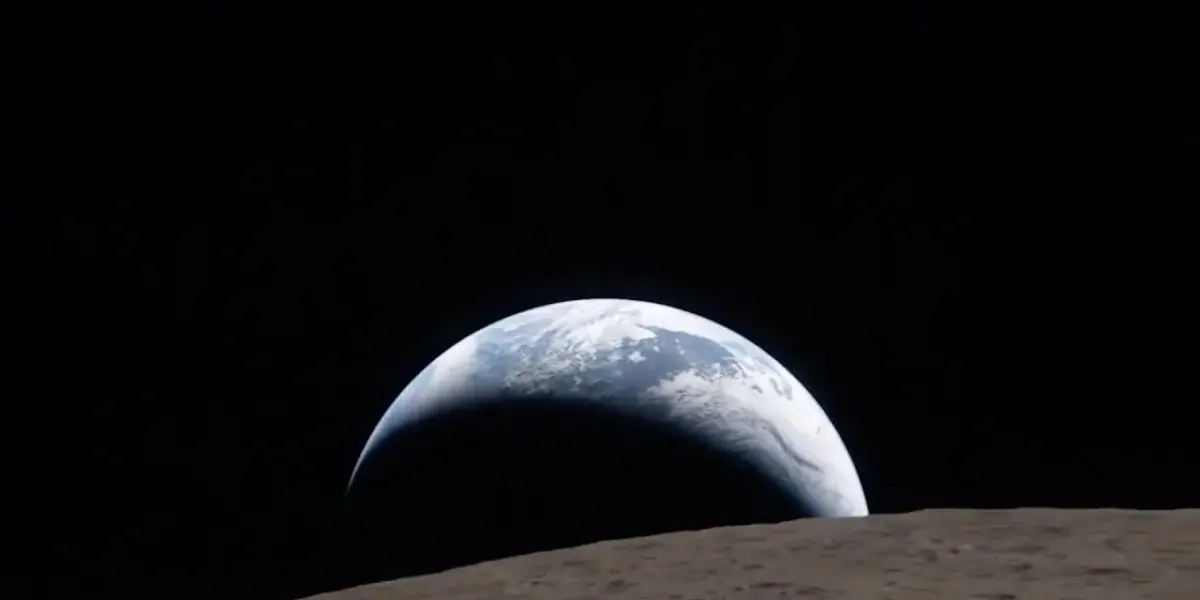
Artemis II Crew Recreates Iconic ‘Earthrise’ Photo
NASA’s Artemis II astronauts recently made history by flying farther from Earth than any humans before. Now, as they journey back, the space agency has shared breathtaking new images from their trip around the moon. These photos offer a fresh look at our solar system and connect us to past space exploration milestones.
A Familiar View, Decades Later
One of the most striking images released by NASA shows a view that will look familiar to many. It closely resembles the famous “Earthrise” photograph taken by astronaut Bill Anders during the Apollo 8 mission 58 years ago. That original image captured Earth as a blue marble rising over the lunar horizon, a powerful symbol of our planet’s place in the cosmos.
The Artemis II crew’s version of this view serves as a powerful reminder of humanity’s enduring quest to explore space. It shows how far we’ve come since the early days of lunar missions. Seeing Earth from such a distance again emphasizes its beauty and fragility.
Exploring the Moon’s Secrets
Beyond the iconic Earthrise, the Artemis II astronauts also captured other remarkable sights. NASA shared a separate image showcasing the detailed rings of the moon’s Oriental Basin. This vast impact crater, formed billions of years ago, offers clues about the moon’s violent early history.
The crew’s perspective from lunar orbit allowed them to document features like the Oriental Basin in unprecedented detail. This scientific data helps us understand the moon’s geology and how it evolved alongside Earth. It’s like getting a new, high-definition look at our closest celestial neighbor.
A Cosmic Spectacle: Moon Eclipses Sun
Another awe-inspiring photograph shows the moon passing in front of the sun, creating a solar eclipse from the crew’s vantage point. This happened as they traveled around the far side of the moon, a region not directly visible from Earth. Witnessing such a celestial alignment from space is a rare and spectacular event.
These images are more than just pretty pictures; they represent significant achievements in space travel. They demonstrate the capabilities of the Artemis program, which aims to return humans to the moon and eventually send them to Mars. The technology and training involved in these missions are crucial steps forward.
Why This Matters
The Artemis II mission, even as a flyby, is a critical step in NASA’s broader lunar exploration goals. It tests the Orion spacecraft and its systems with a crew aboard, paving the way for longer missions and potential lunar landings. The images captured are not only inspiring but also provide valuable scientific data.
These photos connect us to the legacy of the Apollo program while looking toward the future of space exploration. They remind us of the vastness of space and our place within it. Seeing Earth from afar can foster a sense of global unity and shared responsibility for our planet.
Looking Ahead
The success of the Artemis II flyby builds momentum for future missions. Artemis III is planned to land astronauts on the moon, including the first woman and the first person of color. These missions aim to establish a long-term human presence on the moon, serving as a stepping stone for journeys to Mars.
The images from Artemis II offer a glimpse of what’s to come. They show that human spaceflight is advancing, pushing the boundaries of what’s possible. As we continue to explore, these views from space will undoubtedly inspire future generations of scientists, engineers, and explorers.
Historical Context
The Apollo program, which ran from 1961 to 1972, saw 24 astronauts travel to the moon, with 12 walking on its surface. The iconic “Earthrise” photo from Apollo 8 in 1968 was one of the first times humanity saw our planet from deep space. It profoundly impacted how people viewed Earth and our place in the universe.
The Artemis program is NASA’s initiative to return humans to the moon for the first time since the Apollo era. It focuses on sustainable exploration, international collaboration, and developing new technologies. Artemis II serves as a vital test flight, ensuring the hardware and procedures are ready for the more ambitious goals ahead.
Source: Artemis II Crew Captures Stunning Images During Lunar Flyby (YouTube)

Related Articles

Artemis II Crew Captures Unseen Lunar Views, Rewrites Space History
The Artemis II crew has made history by becoming the first humans in 53 years to see the far side of the Moon. NASA released stunning photos from the flyby, capturing unseen lunar vistas and setting new distance records. This mission marks a crucial step in humanity's return to lunar exploration and future Mars endeavors.


Astronauts Face Trump’s Odd Praise in Awkward Space Chat
Former President Donald Trump engaged in an unusual conversation with the Artemis II astronauts, praising their courage by comparing them to Wayne Gretzky. The exchange highlighted Trump's focus on personal connections rather than the mission's scientific goals.


Artemis II Astronauts Near Earth After Historic Moon Flyby
NASA's Artemis II astronauts are nearing Earth after a successful lunar flyby, completing vital science experiments and capturing stunning images. The mission provided new perspectives on the Moon and Earth, including observations of meteorite impacts and a total solar eclipse. The crew's return is a crucial step for future lunar exploration.